Mastering the timing of light on Oahu transforms every scenic stop into a vivid encounter with the island’s raw beauty. From dawn’s gentle glimmer to sunset’s fiery finale, learn how to plan hikes that engage both senses and safety for an unforgettable island adventure.
Start Early for Cooler Temperatures
Begin hikes like Makapu’u Lighthouse Trail early in the morning to avoid midday heat and catch soft, directional light that enhances scenery and wildlife visibility.
Pack Hydration and Lightweight Layers
Oahu’s microclimates shift rapidly; stay hydrated and dress in layers to adapt through wet forest canopies and exposed ridges.
Use a Headlamp for Late Afternoon Descents
If your hike leads you near or past sunset, bring a reliable headlamp to navigate uneven terrain safely when natural light fades.
Check Trail Conditions Before You Go
Post-rainfall trails can become slippery; knowing the state of the path helps set realistic expectations for timing and footwear.
Chasing the Light: Timing Your Oahu Scenic Stops for Peak Views

South East and Windward Oahu Private Tour
8 Hours
Discover Oahu’s coastal gems and lush landscapes on a personalized 8-hour tour. Tailored by local experts, this experience takes you beyond the typical sights for a true Hawaiian adventure.
Oahu's landscapes shift with the sun, each glance offering a fresh pulse of adventure and discovery. To make the most of your scenic stops, understanding how light sculpts the island’s features can turn a simple hike into an unforgettable encounter. The island’s trails—varying from the forested inclines of Makapu’u to the jagged cliffs of Kaena Point—react dynamically to the hour, the season, and the weather.
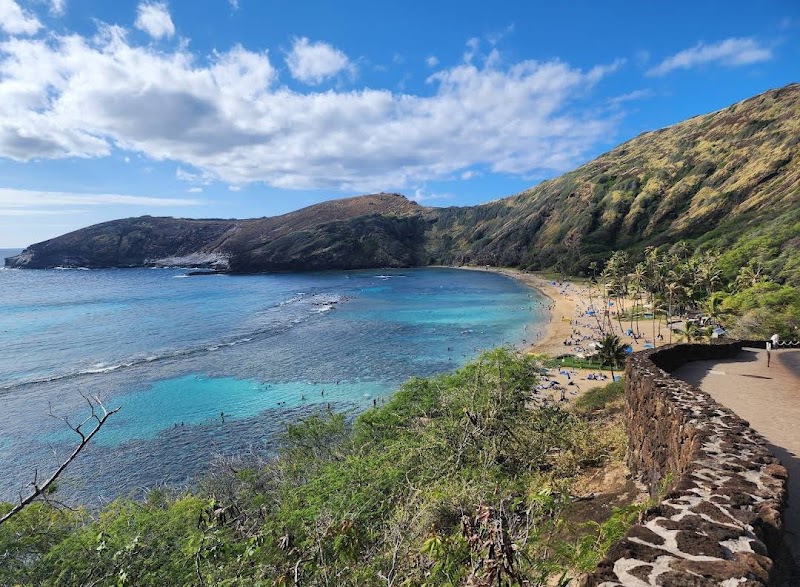
Mornings reward early risers with soft glows that seep through native koa and breadfruit trees, casting long shadows over fern-lined paths. Hikes like the 2.5-mile Makapu’u Lighthouse Trail, with its steady elevation gain of 450 feet, open into sweeping ocean panoramas bathed in golden hues by mid-morning. This is the ideal time for clear, shadow-rich photographs and spotting humpback whales in winter months.
Midday light is unapologetically direct, flattening textures and demanding sturdy footwear to navigate the sometimes glaring terrain of routes like the challenging 5-mile Kaena Point Trail. Though harsh, this light works best for quick, practical stops—think rest breaks in shaded areas or river crossings where currents dare you forward but remain manageable in the sun’s heat.
Afternoon light on Oahu turns warmer, wrapping cliffs and valleys in deepening tones and perfect for capturing silhouettes and highlighting the lush greens of wet forests like Manoa Falls. For a 1.6-mile hike pushing just 300 feet up through jungle canopy and muddy soils, late afternoon is prime—it allows cooler temps and a softer sky, inviting reflection and steady pacing rather than rush.
Sunset is the island’s signature performance. Places like Tantalus Lookout become front-row seats to a fiery sky drawing out every color on the horizon. For photographers and hikers, timing your stop to arrive an hour before sunset offers ample light for a steady descent afterward, avoiding the unmarked roots and uneven ground typical of Oahu’s trails.
Practical tips: hydrate consistently, especially when chasing light in mid-summer’s heat; wear layers that adapt as temperatures shift; and bring a headlamp if your timing edges into twilight. Check trail conditions ahead—seasonal rains turn paths slick, altering both how quickly you move and the light’s reflection from wet leaves.
Respect Oahu’s fierce natural character. The island’s beauty unfolds best when you observe its rhythm instead of forcing your pace. In syncing your steps with its light, the adventure deepens from a checklist item to a conversation with the elements themselves.
Nearby Trips
All Adventures
Boat Charters
Water Activities
Adventures near Honolulu
Discover the unique and memorable adventures that make Honolulu special.
Frequently Asked Questions
When is the best time of day to visit Oahu’s scenic spots for photographs?
Early morning and late afternoon provide the best light — mornings bring soft directional light that adds dimension to textures, while afternoons cast warmer tones that highlight the island's rich greens and vibrant skies.
How long are the popular Oahu hikes and what elevation gains should I expect?
Makapu’u Lighthouse Trail is about 2.5 miles round trip with 450 feet elevation gain, suitable for moderate fitness. Kaena Point extends roughly 5 miles one way over flatter but rocky terrain. Trail difficulty varies, so choose based on your conditioning.
Are there any wildlife encounters hikers should be aware of?
Yes. Native seabirds like the 'alae 'ula (Hawaiian gallinule) frequent wetlands near trails, while humpback whales swim offshore from winter through spring. Respect wildlife and observe from distance to avoid disturbing their natural behavior.
What local cultural significance do these trails hold?
Oahu's trails often trace routes historically important to native Hawaiians for fishing, gathering, and spiritual purposes. Makapu’u was a lookout point; Kaena Point marks a fabled departure spot for souls moving to the afterlife, adding a layer of reverence to the journey.
How do weather and seasonal changes affect trail conditions?
Heavy rains increase slipperiness and erosion risks, especially in forested sections. Summer offers firmer ground but hotter exposure. Check local weather before leaving, and expect slower navigation when trails are wet.
Are there less crowded alternative viewpoints around popular hikes?
Yes. Near Makapu’u, try the nearby Sea Life Park viewpoint for less foot traffic with ocean views. Along Kaena Point, walking past the main trailhead leads you to quiet coves where the cliffs meet secluded beaches.
Recommended Gear
Sturdy Hiking Shoes
Grip and ankle support are crucial on slippery or uneven Oahu trails, especially after rain.
Hydration Pack
Carrying water is key for duration and temperature management, particularly during hotter months.
Lightweight Rain Jacket
A rain jacket shields you from sudden tropical downpours without overheating.
Headlamp or Flashlight
Useful for extended hikes or late afternoon descents when light fades quickly.
Local Insights
Hidden Gems
- "Sea Life Park viewpoint for quieter ocean panoramas"
- "Quiet coves beyond Kaena Point main trail offer solitude"
- "The tide pools near Kaena Point revealing marine life interaction"
Wildlife
- "Humpback whales offshore (seasonal winter to early spring)"
- "Hawaiian gallinule and native waterbirds in wetland areas"
- "Spinner dolphins visible from shore on calm mornings"
History
"Many trails reflect routes once used by native Hawaiians for fishing and pilgrimage. Kaena Point holds cultural importance as a departure place for souls, while Makapu’u was a strategic lookout used in navigation and defense."