Discover the best times to visit Homosassa Springs Wildlife State Park for unforgettable wildlife sightings. Learn how to align your route, gear, and schedule with the natural rhythms of the park’s diverse animal residents to boost your chances of memorable encounters.
Start Early or Late
Wildlife is most active during cooler parts of the day—aim for early morning or late afternoon tours to catch animals at their liveliest.
Wear Breathable Footwear
Flat, breathable walking shoes will keep your feet comfortable on the shaded, level park trails.
Use Binoculars
Bring binoculars to spot distant or camouflaged wildlife along riverbanks and treetops.
Stay Hydrated
Florida's humidity can sneak up on you—carry plenty of water and take breaks often to stay energized.
Timing Your Homosassa Springs Wildlife Tour for Peak Sightings

Eco/Birding Tours
Starting at $60 | Stay dry while you see all the wildlife Florida has to offer!
Join Mellow Mangrove Charters for a relaxing boat tour through Homosassa Springs, where vibrant birdlife and diverse wildlife await. Discover the natural beauty of Florida’s Gulf Coast from the comfort of a well-equipped vessel and gain insight into the region’s unique ecosystems.
Homosassa Springs Wildlife State Park shows itself best when your timing respects the rhythms of its inhabitants. To maximize your wildlife viewings, plan your visit around the cooler parts of the day: early morning and late afternoon. That's when the manatees drift close to the surface, the birds stir actively, and underwater creatures edge toward light and life.
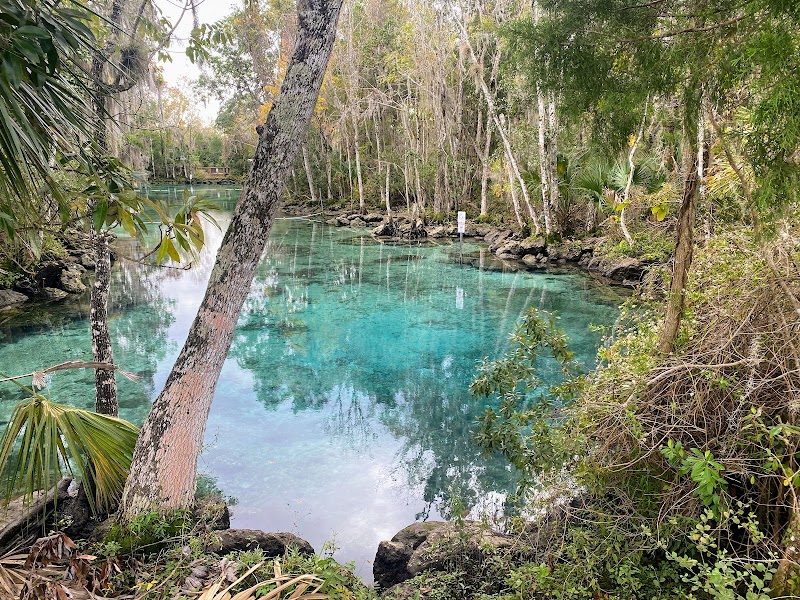
The park’s accessible trails stretch about 2 miles with minimal elevation gain, following flat, often shaded paths along the springs and riverbanks. The air holds a fresh crispness that breathes energy into your steps, while the surrounding oaks and cypress greet you like old, watchful companions. Be prepared for humidity—Florida’s warm breath presses against the skin, urging steady hydration and breathable footwear.
Midday, wildlife retreat; heat drives them quiet or underwater, leaving you mostly to the cicadas and the splash of river currents daring you forward. But linger at the manatee observation deck during these moments, and you might spy shy turtles or alligators sunning themselves, reminding you that the park’s pulse never truly stops.
Bringing binoculars sharpens your experience, letting you catch hidden movements—a heron’s slow wingbeat, a raccoon’s cautious trot. The animal enclosures further allow close looks at rehabbed creatures, but it’s the wild moments along the riverbanks that offer an unfiltered conversation with nature.
Keep your schedule flexible. Weekdays tend to bring fewer crowds, reducing noise that can repel wary animals. Early visitors often report the sweet reward of nearly solitary paths and uninterrupted wildlife views.
Packing essentials: a refillable water bottle, sturdy walking shoes, and a wide-brim hat. It’s practical gear to match a tangible sense of adventure, grounding you firmly while you engage with this fiercely vibrant ecosystem.
In Homosassa Springs, timing is more than a schedule—it's a key to unlocking a living scene that changes with the hour, inviting you to watch, respect, and learn from its fiercely natural pulse.
Nearby Trips
All Adventures
Boat Charters
Water Activities
Adventures near Homosassa
Discover the unique and memorable adventures that make Homosassa special.
Frequently Asked Questions
When is the best time of day to see manatees at Homosassa Springs?
Early morning and late afternoon are ideal. Cooler temperatures encourage manatees to come closer to the surface and the spring vents where warmer water flows.
Are there any guided tours to enhance wildlife viewing?
Yes, the park offers guided boat tours and boardwalk walks which provide expert insights and increase odds of spotting elusive species.
How accessible is the trail for families or those with mobility concerns?
The trails are mostly flat and well-maintained, suitable for families and accessible in many sections. Some boardwalks have ramps for easier access.
What wildlife besides manatees can I expect to see?
Look for alligators sunning themselves, turtles, otters, herons, and a variety of songbirds and wading birds active throughout the day.
Is photography allowed and are there any restrictions?
Photography is encouraged, but flash and drone use are prohibited to avoid disturbing wildlife.
How does the park manage environmental conservation?
Homosassa Springs emphasizes education, rehabilitation of injured wildlife, and habitat preservation to balance tourism with ecological care.
Recommended Gear
Water Bottle
Keep hydrated throughout your tour, especially in humidity and heat.
Comfortable Walking Shoes
Supportive shoes help with smooth terrain and occasional damp spots on trails.
Binoculars
Enhances your ability to spot distant or well-camouflaged animals.
Wide-Brim Hat
Protects you from sun exposure on the exposed sections of the trail.
Local Insights
Hidden Gems
- "The secluded otter observation area beyond the main boardwalk"
- "The less-visited butterfly garden near the park entrance"
Wildlife
- "West Indian Manatees"
- "Florida Gar"
- "Wading Birds like Great Blue Herons"
- "Rehabilitated black bears in the sanctuary"
History
"The springs have served as a refuge and natural attraction since the 1950s, originally a tourist site that evolved into a state-managed sanctuary focused on wildlife protection."