Experience the rare thrill of snorkeling alongside manatees in the calm, clear waters of Homosassa Springs. Discover the best times to visit for smooth conditions and practical tips to help you plan an unforgettable underwater encounter.
Wear a Thermal Wetsuit in Winter
Water temperatures dip into the high 60s between November and March, making a wetsuit essential for comfortable extended snorkeling.
Avoid Peak Boat Traffic Times
Snorkel early morning or mid-afternoon to enjoy calmer waters and less disturbance from local boaters.
Use Eco-Friendly Sunscreen
Protect sensitive aquatic plants and the manatees’ environment by choosing reef-safe, biodegradable sunscreens.
Keep Your Movements Slow and Gentle
Manatees respond well to slow movement; sudden actions can scare them away or stress the animals.
Finding Calm: Best Times to Snorkel with Manatees at Homosassa Springs

Manatee Tours
Starting at $99 | Snorkel with the Manatees
Discover the gentle grace of Florida’s manatees on a peaceful snorkeling trip in Homosassa with Mellow Mangrove Charters. It’s a chance to connect with nature and witness these iconic creatures in their natural habitat, all while enjoying a relaxed, eco-friendly adventure.
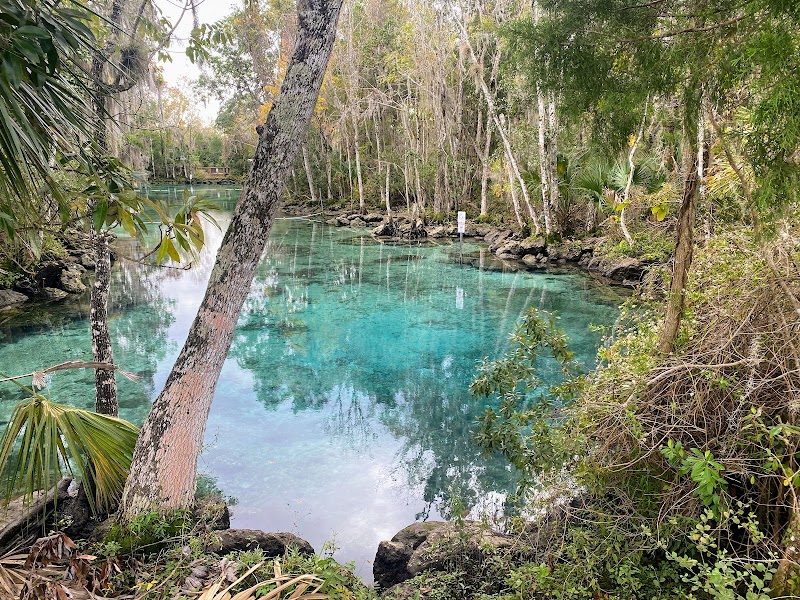
Homosassa Springs offers one of Florida’s unmatched opportunities to snorkel alongside gentle giants—the manatees. For those seeking calm, clear waters and the chance to glide beside these majestic creatures, timing and conditions are everything. The manatees gather here seasonally, but the best windows for serene snorkeling are during the colder months when the river rests in quiet stillness, inviting you to explore beneath its surface.
The prime season runs from November through March, when manatees seek refuge in the warm spring waters, creating an environment tranquil enough for effortless snorkeling. In these months, the Homosassa River whispers with only occasional ripples, giving snorkelers a peaceful underwater stage to observe slow-moving manatees in their natural habitat. Expect water temperatures in the high 60s to low 70s Fahrenheit—refreshingly cool but manageable with a wetsuit.
Spring and fall bring cooler crowds and warmer water but also more active currents. Summer months invite sunlight and vibrant underwater plant life but can introduce scattered boat traffic and choppier waters, which demand more caution and experience. The river, fiercely itself, shifts with seasons, turning smooth and mirror-like or buzzing with life and movement.
Knowing the terrain helps: the Homosassa River here is a low-elevation, relatively flat waterway, about 2 miles of navigable snorkeling stretch. The bottom is a mix of sand, submerged vegetation, and occasional limestone. Manatees congregate near the spring heads, where warm water bubbles steadily, pushing gently against the cooler river flow—a natural boundary where manatees linger and snorkelers find them.
To prepare, bring a well-fitting wetsuit, especially in winter, to extend your time comfortably underwater. Avoid bright or flashy gear that might startle wildlife and opt for eco-friendly sunscreen to protect you and the ecosystem. The water is calmest mid-morning to early afternoon; plan your entry to avoid the occasional breeze that ruffles the surface.
By respecting the slow pace and rhythms of Homosassa Springs, snorkelers enter a quiet dialogue with nature, coexisting with creatures that move with timeless grace. Encountering a manatee here is a reminder that adventure can be measured not only in speed or challenge but in moments of still connection beneath calm waters.
Nearby Trips
All Adventures
Boat Charters
Water Activities
Adventures near Homosassa
Discover the unique and memorable adventures that make Homosassa special.
Frequently Asked Questions
When do manatees usually gather in Homosassa Springs?
Manatees typically gather from November through March, seeking the warm spring waters that provide refuge during Florida’s cooler months.
Is snorkeling with manatees safe for beginners?
Yes, with basic swimming skills and adherence to guidelines like slow movement and maintaining respectful distance, snorkeling here is accessible to most beginners.
Are there any regulations to protect manatees in the area?
Yes, Florida has strict laws protecting manatees, including maintaining distance, avoiding loud noises, and not touching or feeding them to ensure their safety.
What other wildlife might I see during my snorkel?
Besides manatees, expect to see turtles, gar, blue crabs, and various fish species darting through underwater vegetation.
What is the water clarity like during manatee season?
Water clarity is generally excellent in the cooler months, especially mid-morning when currents are calm, ideal for underwater visibility.
Can I rent snorkeling gear on-site at Homosassa Springs?
Yes, several rental shops and tour operators in Homosassa offer snorkeling equipment and guided tours tailored for manatee encounters.
Recommended Gear
Full-body wetsuit
Protects against the brisk water temperatures typical in winter months, allowing longer underwater sessions.
Eco-friendly sunscreen
Prevents harmful chemicals from disrupting aquatic ecosystems while protecting your skin during exposed times.
Snorkel mask with anti-fog coating
Ensures clear underwater vision and ease of breathing during prolonged snorkeling encounters.
Water shoes or reef-safe fins
Help protect your feet from rocky or uneven riverbed surfaces and improve swimming efficiency.
Local Insights
Hidden Gems
- "The subtle underwater limestone formations near the spring vents"
- "Nearby Otter Springs for less crowded paddling"
- "The observation platform at the park that offers quiet manatee glimpses from above"
Wildlife
- "Manatees"
- "River otters"
- "West Indian turtles"
- "Various sunfish and freshwater gar"
History
"Homosassa Springs has been a refuge and cultural landmark, historically significant as a Native American site and later as one of Florida’s earliest wildlife preserves."