Kachemak Bay offers an unforgettable blend of rugged landscapes and thriving ecosystems. Understanding local regulations and environmental etiquette is essential for every adventurer wanting to explore this fiercely beautiful Alaskan bay responsibly.
Always Obtain Required Permits
Certain trails and campsites require permits from Alaska State Parks to control visitor impact and protect wildlife habitats. Secure yours ahead to avoid fines and restricted access.
Wear Traction-Enhanced Footwear
Trails can be muddy, rocky, and slippery, especially after rain or fog. Sturdy boots with deep treads reduce slips and ease stream crossings.
Respect Wildlife Spaces
Keep a safe distance from bears, otters, and nesting birds. Avoid noise and sudden movements to prevent stress or aggressive encounters.
Pack Out All Waste
Leave no trace by carrying out trash and food scraps. This prevents attracting wildlife and keeps the environment pristine for future visitors.
Navigating Kachemak Bay: Local Regulations and Environmental Etiquette for an Adventurous Visit

Discovering Kachemak Bay Tour
Ages 5+ • 6-7 Hours • Up to 6 people
Explore the stunning waters of Kachemak Bay on a private boat tour from Homer, Alaska. Discover breathtaking landscapes, local wildlife, and Alaskan history aboard this unforgettable adventure with Tutka Tours.
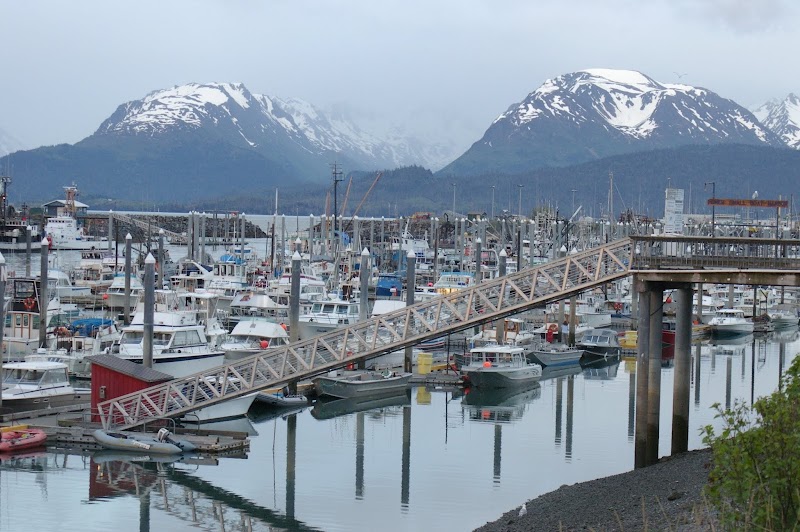
Kachemak Bay presents a wild and vivid playground where mountains meet tidewater, demanding respect and mindfulness from every visitor. To experience it fully means understanding the rules that protect both the environment and the local communities. Whether you’re setting out on a forested trail with spruce trees leaning in like watchful guardians, or paddling through estuaries pushed forward by tidal currents that refuse pause, local regulations and environmental etiquette serve as your guides.
The bay is a habitat fiercely itself, home to diverse wildlife such as brown bears, sea otters, and salmon that stake their claim in waters and woods. Staying on designated trails, avoiding wildlife disturbance, and packing out all waste are not suggestions but requirements to keep this balance intact. For hikers, expect rough terrain with moderate elevation gains averaging 500 to 1,200 feet across most day hikes. The ground can be slick with moss and mud after rain, and streams will dare you to find sturdy, safe crossings.
Planning your visit begins with awareness: permits are required for certain areas, especially camping zones managed by the Alaska State Parks and Kachemak Bay State Wilderness Park authorities. Check seasons carefully—some trails close during high bear activity in late spring and early summer. Early mornings bring fog that cloaks the bay in quiet mystery, but also slick surfaces and limited visibility, so prepare accordingly.
Environmental etiquette here means more than just keeping quiet cameras ready; it demands minimum-impact camping practices, observing all posted signs, and respecting quiet zones where local wildlife find refuge. Watercraft users should steer clear of seal haul-outs and whale feeding areas to avoid harassment. Use designated fire rings, and if fires are not permitted, rely on camp stoves.
Hydration and footwear are critical. Boots with good traction will make slippery rock and wet roots less threatening. Carry water and purification methods to avoid relying on natural sources that might be contaminated or sacred. A layered approach to clothing helps when weather quickly shifts—from clear sun to gusting winds driven by sudden mountain storms.
Kachemak Bay’s allure lies in its raw, untamed quality. These waters and woods give you a challenge that’s not about conquering, but engaging with a landscape confident in its own laws. Respecting local regulations and environmental etiquette transforms your visit into a push-pull rhythm with nature, where every step, paddle, and breath acknowledges the bay’s fierce individuality.
Nearby Trips
All Adventures
Boat Charters
Water Activities
Adventures near Homer
Discover the unique and memorable adventures that make Homer special.
Frequently Asked Questions
Do I need a permit for day hiking in Kachemak Bay?
Permits are generally required only for overnight stays and camping in designated zones, not for day hiking. However, it’s essential to check with the Alaska State Parks website for any temporary or seasonal restrictions before your trip.
What wildlife should I be prepared to see, and how can I stay safe?
Expect to encounter brown bears, otters, bald eagles, and salmon during certain seasons. Stay alert, make noise on trails to prevent surprise encounters, keep a safe distance, and carry bear spray in bear-active months.
Are dogs allowed on trails and beaches?
Dogs are permitted on some trails but must be leashed to prevent disturbing wildlife. Check local regulations for specific trail rules, as some sensitive areas restrict pets.
What’s the best time of day for photography in the bay?
Early morning golden hour and late afternoon offer dramatic lighting conditions. Morning fog can add mood but also reduce visibility—adjust plans to capture the bay’s dynamic atmosphere.
How should I minimize my impact while camping?
Use established campsites and fire rings, pack out all trash, avoid disturbing vegetation, and store food securely to protect both wildlife and natural beauty.
Can I kayak anywhere in Kachemak Bay?
Kayaking is popular but restricted near sensitive marine mammal haul-outs and bird nesting sites. Stay on marked routes and respect seasonal closures to avoid disturbing wildlife.
Recommended Gear
Waterproof Hiking Boots
Crucial for navigating slippery, wet ground and rocky trails in all seasons.
Layered Clothing
Prepare for fluctuations in temperature and wet weather with moisture-wicking base layers and waterproof shells.
Water Filtration System
Clean water is not always accessible; filtering stream water ensures safe hydration.
Bear Deterrent Spray
Recommended during bear-active months to provide personal safety in encounters.
Local Insights
Hidden Gems
- "Foul Bluff Trail offers quieter, rewarding ridge views away from busy paths."
- "The Rakebaugh Bay Beach has driftwood formations ideal for contemplative stops."
Wildlife
- "Sea otters often play in the kelp beds, behaving like curious characters watching your approach."
- "Brown bears follow the salmon runs upriver in late summer, best viewed from a safe distance."
History
"The bay has long been home to the Alutiiq people, whose subsistence lifestyle shaped the landscape’s sustainable use. Fishing and gathering traditions persist, influencing modern conservation efforts."