
Homer’s long-range fishing charters offer anglers a dynamic blend of species in one outing, from halibut to salmon and rockfish. Timing your trip to the tides, daylight, and seasonal rhythms can turn a good day on the water into an unforgettable multi-species adventure.
Start Before Sunrise
Early morning light awakens bottom-feeders and activates feeding cycles—arrive with lines ready to drop for rockfish and halibut.
Pack Versatile Tackle
Bring both deep drop rigs and surface lures to adapt quickly as species shift throughout the day.
Hydrate Constantly
Long hours on the water under Alaska’s unpredictable sun and wind demand steady water intake to maintain focus and stamina.
Monitor Tides and Currents
Tides control fish movement—consult your captain regularly to align fishing spots with changing currents.
Mastering Timing to Catch Multiple Species on Homer’s Long-Range Fishing Charters

Private Multi-Species - Long range trip
For all ages • 10 Hours • Up to 6 People!
Discover an exclusive fishing adventure in Kasilof, Alaska, where you can target multiple fish species on a private boat. Enjoy personalized guiding, stunning scenery, and an unforgettable day on the water with Alaskan Majestic Fishing Charters.
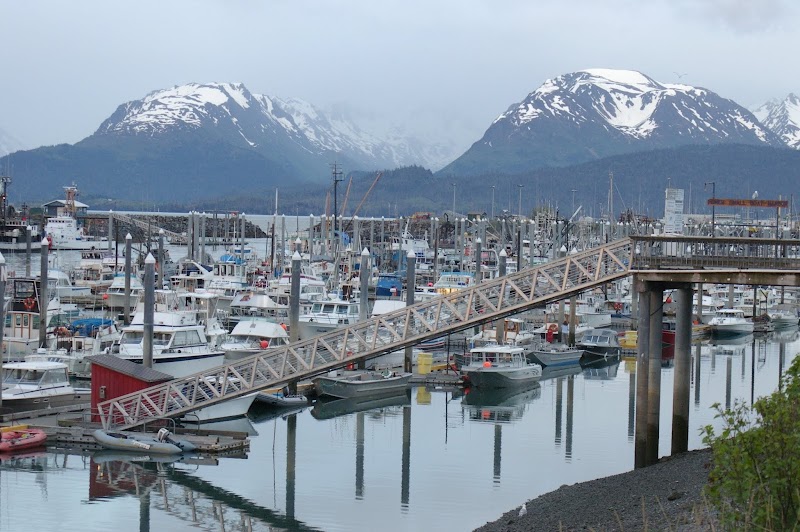
Homer’s coastline stretches far and wide, offering a playground where saltwater species fluctuate like shifting tides. Long-range fishing charters here take you beyond the immediate bays into the deeper ports of the Cook Inlet and beyond, where the challenge is not just to land a single prized catch, but to target an array of species across varied habitats within one trip. To maximize species count, timing is your greatest ally.
Start early. The calm before sunrise isn’t just peaceful—it’s prime fishing. Early hours bring bottom-feeders like rockfish and halibut to life, encouraged by cooler waters and stirring currents that tease the bait. As the sun edges higher, migratory baitfish gather on the surface. This shift calls for switching your technique: lighter tackle and surface lures come into play, increasing chances of hooking silver salmon or lingcod.
Midday often tests patience—the currents grow quicker, and species move deeper or scatter. Use these hours to reposition, watching how water temperature and tides alter fish movement. Your captain’s local knowledge becomes crucial here; a seemingly quiet zone might suddenly reveal a school of pink salmon or a pod of halibut lying in wait.
Timing your return toward late afternoon often rewards you with a second wind of action. As light fades, bottom dwellers return, and fast-moving fish venture back toward shorelines. This window is especially productive for halibut and king salmon, which respond well to slower bait presentations.
Seasonality holds a powerful influence. Spring marks the arrival of coho salmon and an increase in crab activity—ideal if you’re looking to diversify your catch. Summer heats up the runs of king salmon and halibut, but also means heavier boat traffic. Fall offers a quieter scene with robust halibut numbers, alongside chance encounters with trout and other bottom species.
To keep the day practical and productive, prepare with layered clothing to adapt to shifts in weather and water spray, and pack multiple rigs tailored for deep drops and surface strikes. Hydration is non-negotiable—long stints on the water under open skies push your limits.
Tracking tides and weather patterns sharpens your timing strategy. Currents shift like living entities, eager to move their quarry; reading them accurately can be the difference between a handful and a haul. Communication with your captain and crew ensures you stay aligned on prime times to drop lines or try new techniques.
In short, the strategy for exploding your species tally hinges on flexibility—being ready to adapt tackle, location, and timing as the ocean breathes and moves around you. Homer’s waters are fiercely alive, inviting patience, attention, and respect. When harnessed correctly, your long-range fishing charter becomes not only a quest for fish, but a lesson in understanding a force relentlessly at play.
Nearby Trips
All Adventures
Boat Charters
Water Activities
Adventures near Homer
Discover the unique and memorable adventures that make Homer special.
Frequently Asked Questions
What’s the best time of day to catch multiple species on a long-range charter?
Early morning hours before sunrise and late afternoon before dusk are peak times to target different species. Bottom feeders like halibut are active at dawn, while surface feeders such as salmon become more catchable as light increases. Shifting techniques throughout the day optimizes your catch variety.
How important are tides and currents when planning a fishing charter from Homer?
Tides and currents dictate fish movement and feeding patterns. Planning your trip around slack tides or incoming/outgoing phases can maximize access to feeding grounds. Experienced captains monitor these elements constantly, shifting locations to where currents concentrate baitfish and game fish alike.
What gear changes are recommended during the day to catch multiple species?
Start with heavier tackle for deep-water species like halibut and rockfish early on. Switch to lighter rods and surface lures mid-morning as salmon and other pelagic fish rise. Carry a mix of jigs, plugs, and bait rigs to quickly respond to surface activity shifts throughout the day.
Are there seasonal differences in what species I can expect to catch on these charters?
Absolutely. Spring favors coho salmon and crab, summer brings king salmon and halibut to prominence, while fall is ideal for bottom dwellers and trout. Winter charters are limited due to harsh weather. Each season requires slight adjustments to timing, bait, and location for most success.
What wildlife might I see during a long-range fishing charter out of Homer?
From orcas cruising offshore to bald eagles circling bait schools, the marine wildlife is lively. Sea lions and harbor seals often appear near fishing grounds, and migratory birds follow baitfish movements. Keep gear ready to adapt—sometimes wildlife signals the location of key species.
How should I prepare physically for a long-range fishing day in Homer?
Physical endurance matters more than brute strength. You’ll spend many hours standing with occasional bursts of exertion when fighting fish or moving around the boat. Prioritize comfortable footwear with good grip and bring layered clothing to handle changing temperatures and spray.
Recommended Gear
Waterproof Layered Clothing
Protects against the range of weather conditions, from morning chill to sea spray and afternoon wind.
Multi-species Fishing Rods and Reels
Allows for quick adaptation from deep halibut drops to lightweight salmon lures.
Polarized Sunglasses
Cuts glare off the water surface, improving visibility to spot bait schools and avoid eye strain.
Hydration Pack or Bottle
Maintains hydration during long hours exposed to sun and salty air.
Local Insights
Hidden Gems
- "Secret coves along Kachemak Bay with less boat traffic"
- "Small tidal flats rich in agate stones and burrowing clams"
- "Nearby Red Bluff trail offering cliffside views to spot feeding whales"
Wildlife
- "Orcas and humpback whales often visit summer feeding grounds"
- "Bald eagles frequent the shoreline, especially near salmon runs"
- "Sea otters playing in kelp beds act like sentinels of ecosystem health"
History
"Homer has long served as a fishing hub—from native Alutiiq peoples' sustainable harvests to modern commercial fleets—preserving a strong cultural connection to the sea and its seasons."