Seasonal Shifts Along Daufuskie Island’s Shore: Shoreline and Marine Life in Motion
Daufuskie Island’s shoreline transforms with each season, unveiling new sights and challenges for outdoor enthusiasts. From spring’s bustling marine life to winter’s quiet coast, discover what makes this island’s edge a compelling destination year-round.
Check Tide Schedules Before Exploring
Low tides reveal more shoreline for beachcombing and marine life viewing but can change quickly—always monitor tide charts and plan accordingly.
Wear Waterproof, Supportive Footwear
Trails along the shoreline can be muddy or soggy, especially near salt marshes—boots or shoes with good traction and water resistance are vital.
Bring Adequate Hydration and Sun Protection
From spring through fall, sun exposure and heat build along exposed stretches—carry water, wear hats and sunscreen to stay safe and comfortable.
Start Early or Late for Cooler Temperatures
Summer brings heat and humidity; morning or late afternoon hikes offer cooler air and better wildlife activity.
Seasonal Shifts Along Daufuskie Island’s Shore: Shoreline and Marine Life in Motion

SAV Island Tour on The Decked Out
Experience an exclusive sailing adventure around Savannah’s scenic waters aboard the Decked Out with Outside. Perfect for relaxation, sightseeing, and making memories with loved ones, this private boat tour offers an intimate view of Georgia’s coastal beauty.
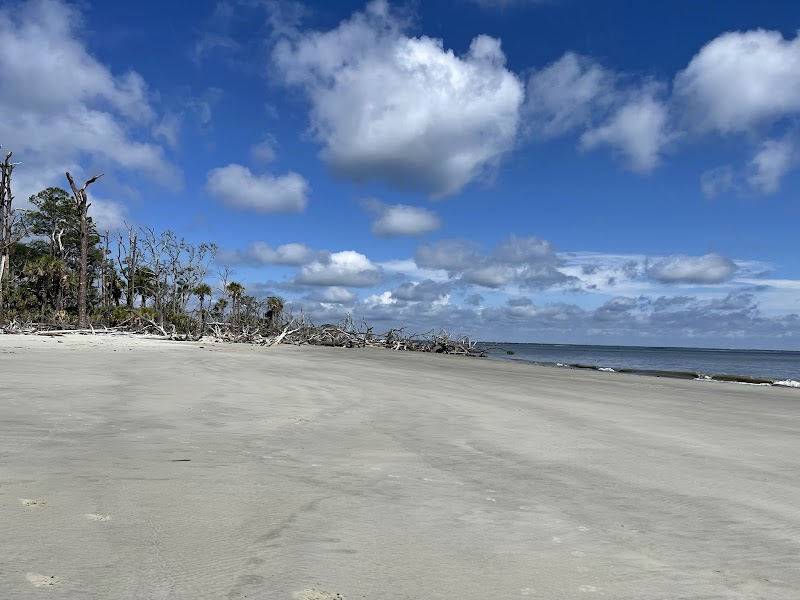
Daufuskie Island’s shoreline doesn’t stay still—it breathes and moves with the seasons, shaping the land and its marine residents. Each turn of the year unmasks new rhythms: sandbars expand and recede, marsh grasses push upward, and currents pulse with different intensities, coaxing a dynamic marine world to change with them. This constant motion invites adventurers and naturalists alike to experience the island in multiple lights, each season offering distinct sights and challenges.
Spring arrives with fresh energy, as migratory birds return and oyster beds thrive in the warming waters. Tidal pools burst with small crabs and juvenile fish daring you to look closer as the water clarity improves. The shoreline widens with retreating waters, exposing low dunes and salt marshes where fiddler crabs tap their tiny claws like a staccato invitation. The sand is still cool and firm—ideal for beachcombing or gentle hikes along the shore.
Summer turns the island fiercer. The Atlantic’s currents push warmer water against the coast, and salt marshes sway thick with vibrant green cordgrass. Marine life is abundant but also more sheltered: fish scatter in deeper waters, and lightning bug-like bioluminescent plankton start to awaken after sunset—an experience best caught on a calm, moonless night. Beaches can be more crowded, and the heat hums through the maritime forest trails, so preparation means early starts, breathable gear, and plenty of hydration.
Fall ushers a quieter, more introspective mood. Shoreline erosion gently reshapes dunes, while migratory birds such as herons and egrets make their stopover, pairing the crisp air with stunning photo ops. The water temperature begins to drop, and shellfish activity slows, drawing in crabbers and anglers doing their part to balance the ecosystem. Plants shift to gold and brown hues, offering a leafy crunch underfoot on sandy trails.
Winter holds its own rugged beauty. The calmer waters turn cooler, the salt marshes tuck in tighter, and some marine life seeks refuge deeper offshore. The beach seems broader here, washed clean by seasonal storms that challenge the sand’s hold. It’s a time for quieter walks against a brisk wind, rugged boots gripping the ever-changing edge of land and sea. Wildlife sightings often include wintering waterfowl and shellfish beds at their near-dormant stage.
Planning a trip to Daufuskie demands respect for its changing nature. The island’s shoreline is a force fiercely itself—a living boundary between land and ocean that redefines your experience with every tide and temperature. Whether scouting along the water’s edge, dipping toes into tidal pools, or watching wildlife adapt with the seasons, this shifting environment promises adventure anchored in awareness.
Practical tips: footwear should be durable and water-resistant to handle wet dunes and occasional muddy marsh trails. Timing visits around low tide can expand exploration areas but demands attention to tide charts for safety. Carrying reusable water and sun protection is critical from spring through fall, while winter calls for layered clothing against the salt-tinged wind. Cameras should be ready early morning or late afternoon, when the soft light draws out textures of sand, water, and feathers.
In every season, Daufuskie Island’s shore reminds us that adventure means dialogue with the wild world—not domination, but curiosity paired with preparation. The island waits, shifting and open, daring you to explore its vibrant edges.
Nearby Trips
All Adventures
Boat Charters
Water Activities
Adventures near Hilton Head Island
Discover the unique and memorable adventures that make Hilton Head Island special.
Frequently Asked Questions
What unique wildlife can I expect to see on Daufuskie Island?
The island is home to a variety of birds including great blue herons, egrets, and migratory waterfowl depending on the season. Marine life includes fiddler crabs, juvenile fish in tidal pools, oysters, and occasionally dolphin sightings offshore.
Are there any lesser-known viewpoints worth exploring?
The northern tip near Bloody Point Light offers quieter views and a chance to watch changing currents carve the shore. Salt marsh overlooks along interior paths provide close encounters with cranes and marsh wrens.
How do tides affect hiking and exploration on the island?
Tides define the accessible shoreline area. Low tides reveal expanded beaches and tidal pools but require careful timing to avoid being cut off by rising water. Always check local tide charts prior to adventure.
What historical significance does Daufuskie Island hold?
The island has a rich Gullah heritage with preserved cultural sites and stories of early settlers. Its isolation preserved many traditions and offers insight into coastal South Carolina’s history.
Are there environmental considerations to keep in mind?
Daufuskie Island contains sensitive salt marshes and dune ecosystems. Visitors should stay on designated trails, avoid disturbing animal habitats, and take all trash with them to protect the delicate shoreline.
When is the best time to photograph the shoreline and wildlife?
Early morning and late afternoon provide soft light that enhances textures and colors. Fall migration and spring’s blooming coastal grasses offer prime opportunities for wildlife and landscape shots.
Recommended Gear
Waterproof Hiking Boots
Protects feet from wet dunes and marsh trails while providing traction on uneven surfaces.
Reusable Water Bottle
Staying hydrated is key, especially in warmer months when sun and humidity rise.
Lightweight, Breathable Clothing
Helps manage heat and moisture while hiking exposed shoreline paths.
Camera with Zoom Lens
Captures detailed images of wildlife and sweeping views across shoreline and marshland.
Local Insights
Hidden Gems
- "Bloody Point Lighthouse area for off-the-beaten-path coastal views"
- "Hidden oyster beds visible during spring low tides"
- "Salt marsh creek inlets reachable by foot for close-up encounters with marsh birds"
Wildlife
- "Fiddler crabs with their waving claws"
- "Migratory herons and egrets"
- "Bioluminescent plankton in summer nights"
History
"Daufuskie Island preserves Gullah culture with historic settlements reflecting African American heritage and colonial history unique to the Georgia-South Carolina coastal zone."