Prime Hours for Wildlife Wonders: Best Times of Day on Hilton Head Boat Tours
Discover the optimal times of day to catch Hilton Head’s most active wildlife during boat tours. From dawn’s calm to sunset’s vibrant return, learn how tides and timing combine to unlock unforgettable encounters with dolphins, herons, and more.
Start Your Tour at Sunrise
Plan your boat tour between 6 a.m. and 9 a.m. to catch the highest wildlife activity in calm waters.
Check Tide Schedules
Wildlife sightings peak around rising tides, so consult tide charts beforehand for the best timing.
Pack Polarized Sunglasses
Reduce water glare and enhance visibility to spot elusive animals and birds easily.
Bring Hydration and Sun Protection
Open waterways expose you to heat and sun; water and sunscreen are key for comfort and safety.
Prime Hours for Wildlife Wonders: Best Times of Day on Hilton Head Boat Tours
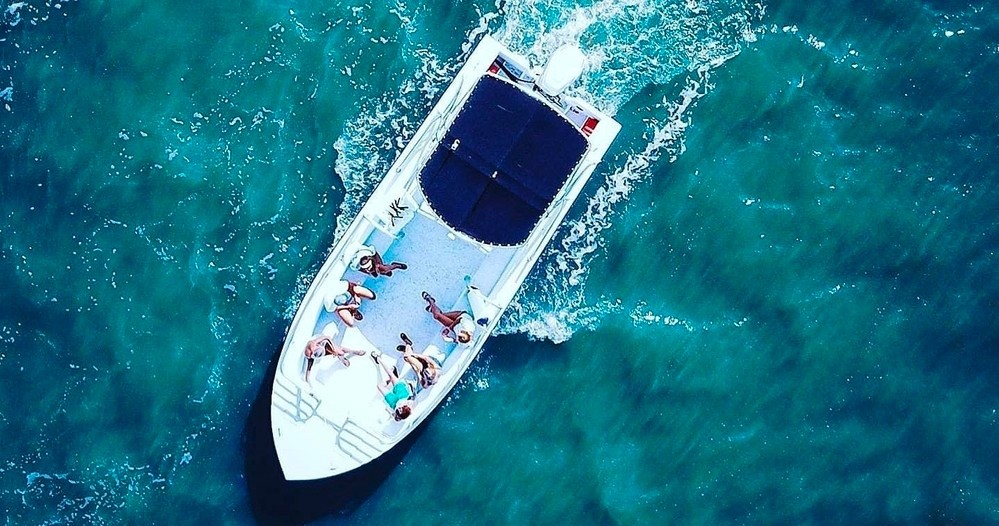
Private Charter (Up to 14 Passengers)
1-8 Hour Options • All Ages • Up to 14 Passengers
Discover the beauty of Daufuskie Island on a private boat tour designed for up to 14 guests. Enjoy personalized service, stunning views, and wildlife encounters in this exclusive South Carolina adventure.
Navigating Hilton Head’s winding waterways is an invitation to engage with a world where wildlife moves on its own schedule, fiercely alive and keen to be seen. Early mornings, just as the sun nudges the horizon, offer a calm surface and cooler air, coaxing birds like ospreys and herons from their hidden perches. These species stretch their wings against the soft light, taking advantage of the rising heat and still waters. This window, roughly between 6 a.m. and 9 a.m., tends to yield the most sightings and allows boaters to experience wildlife activity with less wind interference.
Midday hours, from 11 a.m. to 2 p.m., bring a different rhythm. The sun climbs high, stirring the marsh grasses and warming the air. Wildlife is less active during these hours. Otters retreat to shaded banks, and dolphins often slip beneath the surface, their presence betrayed only by a sudden arc of a dorsal fin. This stretch is practical for more relaxed tours focusing on the landscape and tidal marshes, though the wildlife encounters require patience and sharp eyes.
Afternoon into early evening—3 p.m. through sunset—breathes life into the shorelines again. This time frame draws raccoons and wading birds back toward the water as the temperature dips and food sources become more accessible. The water mirrors the pink and orange sky, drawing herons and egrets into silhouette. For boaters, this window marries the visual thrill of wildlife sightings with breathtaking colors, offering a multi-sensory experience.
Planning your tour means respecting the tide as a powerful player. Rising tides bring fish closer to shore, drawing their predators—the dolphins, osprey, and fish-eating birds—to the shallows. Check tide charts before your trip; peak wildlife activity often coincides with an incoming tide.
Equipment choice matters. Opt for binoculars with moderate zoom and polarized lenses. These will cut the reflective glare off the water, sharpening your view of elusive subjects. Bring water and sun protection—temperatures on open water can escalate quickly—and choose boats with shaded decks to ease comfort throughout the day.
Hilton Head’s wildlife is no tame show; it moves with the pulse of the natural world. A successful boat tour requires readiness to engage patiently with this living force, arriving early, timing your trip with the tides, and staying alert for sudden bursts of activity. When practiced, these strategies open doors to moments where nature dares you to watch closely—and rewards you generously.
Nearby Trips
All Adventures
Boat Charters
Water Activities
Adventures near Hilton Head Island
Discover the unique and memorable adventures that make Hilton Head Island special.
Frequently Asked Questions
When is the best time to see dolphins on Hilton Head boat tours?
Dolphins are most active during early mornings and late afternoons, especially around rising tides. These periods provide calm water and abundant fish near shores, perfect for dolphin sightings.
Are boat tours suitable for families with children?
Yes, Hilton Head boat tours are family-friendly. Most tours last between one to three hours and provide safe, comfortable vessels. Bring snacks and sun protection for younger adventurers.
What wildlife is unique to Hilton Head's waterways?
Besides common coastal birds and dolphins, visitors may spot river otters, loggerhead sea turtles during nesting seasons, and various migratory bird species rarely seen inland.
How do tides affect wildlife visibility on tours?
Tides influence animal movement and feeding behaviors. Rising tides push fish close to shore, attracting predators like birds and dolphins. Conversely, low tides expose marsh flats favored by crabs and shorebirds.
Is motion sickness common on these boat tours?
The waterways are usually calm but light waves can occur. If prone to seasickness, consider taking preventative measures like medication or focusing on stable seating near the boat's center.
Can I take my own boat for wildlife watching around Hilton Head?
Yes, private boating is popular with proper permits and adherence to local wildlife protection rules. Guided tours, however, provide expert knowledge and access to less trafficked spots.
Recommended Gear
Polarized Sunglasses
Reduces glare on the water, improving visibility for spotting wildlife.
Lightweight Water-Resistant Jacket
Protects from breezes and occasional splashes without overheating.
Water Bottle
Staying hydrated is crucial, especially during extended tours in sun-exposed areas.
Binoculars
A moderate zoom binocular with good optics helps reveal distant wildlife details.
Local Insights
Hidden Gems
- "Broad Creek tidal estuaries – quieter zones with rich bird populations."
- "Fish Haul Creek – a narrow waterway favored by otters and nesting birds."
Wildlife
- "American ospreys that nest on marked platforms along the island."
- "Bottlenose dolphins that frequently hunt nearshore during changing tides."
History
"Hilton Head's waterways were once pathways for Native American tribes and later saw naval skirmishes in the Civil War, infusing the marshlands with layered stories beneath their serene surface."