Kilauea’s evolving lava flows define Hawai‘i’s Big Island, offering a gripping adventure for those ready to engage with a living land. Discover the best seasons to witness volcanic activity safely, with practical tips for navigating the dynamic trails and volcanic landscape.
Hydrate Before and During Your Hike
Hawai‘i’s volcanic landscape and tropical climate can quickly dehydrate you—bring at least 2 liters of water and sip regularly.
Wear Durable Footwear
Trails transition from forest to sharp lava rock; sturdy hiking boots with good traction will prevent slips and foot injuries.
Start Late Afternoon for Lava Viewing
Aim to arrive at viewing areas at dusk to see molten lava glow vividly before the landscape darkens completely for your return trip.
Monitor Volcanic Activity Updates
Conditions in Hawai‘i Volcanoes National Park can change rapidly; check daily eruption alerts and stay on marked trails for safety.
Seasons of Fire: When to Experience Kilauea’s Volcanic Majesty on Big Island

PRIVATE Big Island Big Volcano Adventure from Kona
9 hour tour • 2 guest min • 6 guest max • All Ages welcome!
Join The Volcano Van for a comprehensive 9-hour journey across Hawaii’s Big Island. Witness volcanic craters, lush rainforests, and stunning waterfalls in this private tour that reveals the island’s fiery heart and natural beauty. Perfect for adventurers eager to see Hawaii’s volcanic power up close.
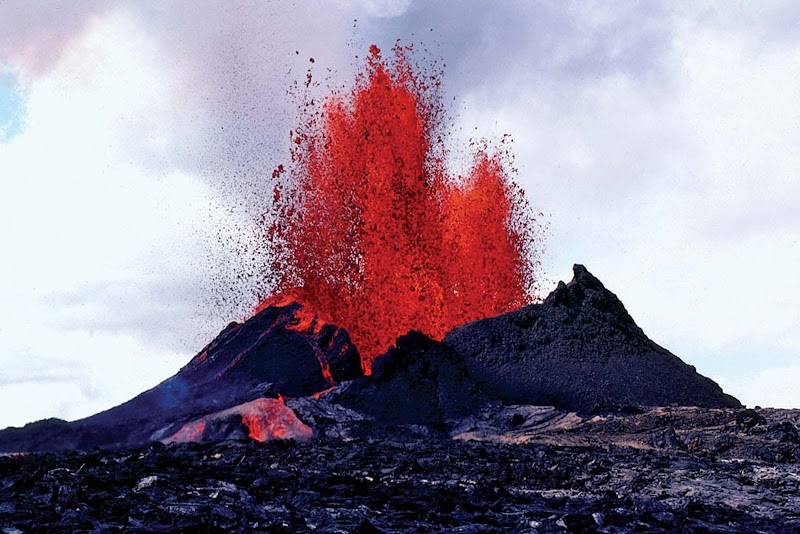
Kilauea commands the landscape of Hawai‘i’s Big Island with a fierce, unyielding presence. Its lava flows etch new shapes into the Earth, a reminder that geology is ongoing, not history. To witness this raw force, timing your visit to the right season enhances both safety and spectacle.
The key path for observing volcanic activity is the trail through Hawai‘i Volcanoes National Park, where you’ll hike roughly 4 miles round-trip with moderate elevation changes. The terrain shifts from forest with thriving ferns and ʻōhiʻa trees brushing the edges of your path to stark lava fields glowing in the evening. Each step places you in conversation with a land alive and reshaping itself.
Visiting between late spring and fall offers the warmest, driest weather, improving trail conditions and visibility of nighttime lava glow. This is when the forest breathes warmly around you, cicadas hum a persistent rhythm, and the night sky opens wide. Cooler winter months bring occasional rain, softening the trails but adding humidity that presses down like an untamed beast. Visibility can falter as volcanic smog (vog) thickens, posing a respiratory challenge.
Plan your hike to begin in late afternoon to reach lava viewing points as darkness reveals the fiery floor of the caldera. Bring a strong flashlight for the return trek; the trail can turn sharply quiet and shadowed. Footwear with solid grip is essential—weathered lava rock demands steady footing.
The adventure is more than a walk. It’s an engagement with a planet fiercely at work, an invitation to witness creation and destruction side by side. Your preparation enables presence, letting you feel the heat, smell the sulfur, and see the Earth write its future in molten movement.
Stay hydrated and pack layers; the temperature drops quickly after sunset. Check daily park updates because volcanic conditions and safety protocols shift swiftly. Respect the volcanic forces—they give with brilliance but demand humility.
Following these seasonal guidelines will place you at the heart of one of the most extraordinary natural shows on Earth, balanced between awe and pragmatism. Kilauea is not just a destination. It’s a reminder the planet is alive, burning, and breathing in time with you.
Nearby Trips
All Adventures
Boat Charters
Water Activities
Adventures near Hilo
Discover the unique and memorable adventures that make Hilo special.
Frequently Asked Questions
Can I see active lava flows year-round at Kilauea?
While Kilauea is one of the world's most active volcanoes, lava visibility varies. Since eruptions are sporadic, the best chances are in dry seasons from late spring to fall, when access trails are safer and the night visibility of lava glow is clearer.
Is the hike suitable for beginners?
The hike is moderate, with some uneven terrain and elevation gain around 400 feet. Beginners with reasonable fitness can manage it, but be prepared for rocky paths and a few narrow sections.
Are there unique spots besides popular lookout areas?
Yes. Lesser-known viewpoints like Pi‘o Crater offer quiet forest vistas, and spots along the Chain of Craters Road reveal the forces shaping new land. These locations require extra caution and awareness of park guidelines.
What wildlife might I encounter on the hike?
Native forest birds such as the ‘Apapane flit through the ʻōhiʻa trees, while the invasive but colorful red-vented bulbul is also spot-on. At dusk, expect the occasional sighting of Hawaiian hawks circling overhead.
How do volcanic smog (vog) conditions affect hiking plans?
Vog, resulting from sulfur dioxide emissions, can reduce air quality and visibility. Check current vog levels; sensitive individuals should avoid strenuous activity during heavy vog and carry masks if needed.
Are there cultural practices to respect on this land?
Kīlauea is sacred in Hawaiian culture, home to Pele, the volcano goddess. Visitors should respect restricted areas and avoid disturbing the landscape or taking lava rocks to honor local customs.
Recommended Gear
Sturdy Hiking Boots
Protects feet from sharp lava rock and provides needed traction on mixed terrain.
Headlamp or Flashlight
Essential for safely navigating the trail returning after sunset when lava glow is best visible.
Water Bottle or Hydration Pack
Prevents dehydration in dry heat and when hiking strenuous elevation gains.
Light Rain Jacket or Windbreaker
Useful during sudden rain or vog shifts, especially in wetter winter months.
Local Insights
Hidden Gems
- "Puʻu Loa Petroglyphs near the park trail offer a glimpse into ancient Hawaiian culture humorously etched into stone."
- "Sulphur Banks trail sections reveal steaming vents with colorful mineral deposits, a visual delight off the main path."
Wildlife
- "The Hawaiian hoary bat, a rare native species, sometimes flutters near dusk close to forested trail segments."
- "Native nēnē geese occasionally appear near open lava fields during colder seasons."
History
"Kīlauea has shaped Hawaiian culture and stories for centuries, revered as the home of Pele, the fire goddess. Modern volcanology and visitor access coexist with these deep-rooted beliefs."