Explore the rugged beauty of Hawaii’s volcanoes and waterfalls with essential packing tips that prepare you for diverse terrain and shifting weather. From sturdy footwear to hydration strategies, this guide balances exciting terrain with practical advice to ensure your adventure is safe, enjoyable, and unforgettable.
Start Early to Avoid Heat and Crowds
Begin your hike in the early morning hours when temperatures are cooler and trails are less crowded. This also gives you time to navigate unexpected weather changes.
Wear Sturdy, Grippy Footwear
Choose hiking boots or trail runners with solid traction to handle rocky lava flows and slippery waterfall surroundings safely.
Pack Enough Water and Electrolytes
Carry at least 2 liters of water per person, especially for longer treks, and consider electrolyte supplements to stay hydrated in Hawaii’s humid climate.
Respect Trail Markings and Sacred Areas
Stick to designated paths to protect fragile volcanic landscapes and honor cultural sites significant to native Hawaiians.
Packing Essentials for a Scenic Hawaiian Volcano and Waterfall Adventure

Volcanoes National Park Adventure Tour from Oahu
Volcano Adventure Tour
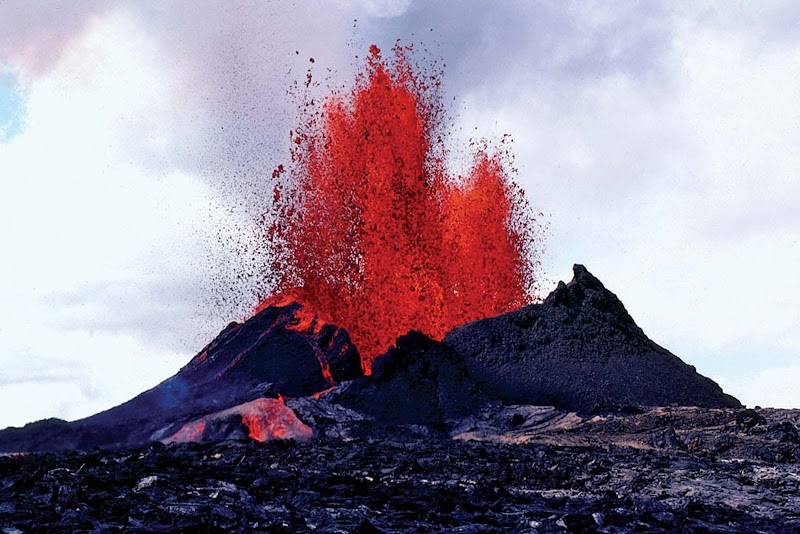
Journey through Hawaii’s Volcanoes National Park with an adventure tour from Oahu featuring black sand beaches, Rainbow Falls, and Mount Kilauea’s power.
Hiking across Hawaii's volcanic landscapes and cascading waterfalls offers an adventure that’s physically engaging and visually striking. Trails vary from forested paths weaving through tropical greens to rocky lava fields that challenge every step, with elevation gains often between 500 to 1,500 feet across 3 to 7 miles. The volcanic terrain is fiercely itself—raw and changing—while waterfalls invite a moment's pause, daring you closer with their roaring presence.
Preparation starts with knowing the ground you’ll cover. Trails like those in Hawai'i Volcanoes National Park range from smooth forest floors rich with birdcalls to jagged black lava that tests sturdy footwear. Waterfalls such as Akaka Falls or those along the Wailuku River trail offer slippery rocks and mist, so waterproof gear and caution are practical musts.
Hydration is your constant companion under Hawaii’s tropical sun. Carry at least two liters of water per person, supplemented by electrolytes when tackling steep climbs like the Kīlauea Iki trail, which ascends roughly 400 feet over two miles through crater floors still radiating geothermal heat. Early starts help avoid midday heat and sudden afternoon showers, common in the islands’ microclimates.
Footwear matters—trail runners or hiking boots with good grip handle both volcanic rock and slick paths with water spray. Layered clothing suits fluctuating microclimates, from warm valleys to cooler volcanic summits. Rain protection is essential; the islands' weather shifts quickly, turning welcoming skies grey within minutes.
Pack light but smart: a daypack with snacks for energy, a map or GPS device for navigation, and a camera to capture sprawling vistas and the dynamic dance of light on water and stone. Leave no trace principles keep Hawaii’s environment pristine, respecting both sacred volcanic sites and fragile ecosystems surrounding the falls.
Following marked trails keeps you safe and preserves the land’s integrity. The land here is a living force—expect it to surprise and challenge you, but also to reward your effort with moments of quiet beneath towering palms or panoramic views over steaming vents and turquoise pools. This adventure grounds you, offering a direct encounter with nature that demands respect and readiness.
Nearby Trips
All Adventures
Boat Charters
Water Activities
Adventures near Hilo
Discover the unique and memorable adventures that make Hilo special.
Frequently Asked Questions
What is the best trail for combining volcano views and waterfalls?
The Kīlauea Iki trail within Hawai'i Volcanoes National Park offers sweeping views of lava craters and passes through lush rainforest sections where waterfalls are visible nearby, making it an ideal mixed-terrain hike.
Are swimming opportunities safe near Hawaiian waterfalls?
Swimming near Hawaiian waterfalls can be risky due to strong currents, submerged rocks, and sudden water surges. It's best to follow posted safety signs and avoid swimming if unsure about the conditions.
How do I prepare for sudden weather changes on these hikes?
Wear layered clothing and carry a compact rain jacket. Early morning hikes reduce exposure to afternoon showers. Always check weather forecasts and park alerts before heading out.
Is a guided tour recommended for first-time visitors?
For those unfamiliar with volcanic terrain or local culture, guided tours provide safety and in-depth knowledge. However, well-prepared hikers comfortable with navigation can explore independently via clearly marked trails.
Are permits required for hiking in Hawai'i Volcanoes National Park?
Entrance to the park requires a fee, but most hiking trails do not require additional permits. Special activities like backcountry camping do need permits, so plan accordingly.
What wildlife might I encounter on these trails?
Birds like the ‘Apapane and native honeycreepers sing in the forested stretches. You might spot flitting geckos, and in wetter areas, streams home to native ‘O’opu fish.
Recommended Gear
Waterproof Hiking Boots
Protects feet from sharp lava rocks and wet terrain around waterfalls while providing grip and ankle support.
Lightweight Rain Jacket
Essential for sudden tropical showers, especially during spring and winter seasons when rain is frequent.
Hydration Pack or Water Bottles
Ensures you maintain hydration in Hawaii’s humid climate, especially on longer or uphill segments.
Sun Protection (Hat, Sunscreen, Sunglasses)
Strong Hawaiian sun demands adequate protection to avoid sunburn during exposed volcanic ridge hikes.
Local Insights
Hidden Gems
- "Mauna Ulu cinder cone for panoramic volcanic landscapes less crowded than Kīlauea Iki"
- "Puna’s Lava Tree State Park showcasing fossilized lava molds of local trees"
Wildlife
- "‘Apapane honeycreeper—vibrant red bird that thrives in native ʻōhiʻa forests"
- "Native Hawaiian geckos blending into rough lava surfaces"
History
"Hawai'i Volcanoes National Park protects sacred sites significant to Native Hawaiian culture, where Pele, the volcano goddess, is believed to dwell amid the lava flows."