Volcanoes National Park in Hawaii offers a landscape that changes dramatically with the seasons, shaping the adventure you’ll have among lava flows and rainforests. Knowing when to visit helps hikers tackle the right trails with confidence while experiencing the park’s natural phenomena at their best.
Hydrate Constantly
The volcanic terrain can sap your moisture quickly, especially during summer hikes. Carry and drink at least 2 liters of water to stay energized and alert.
Use Proper Footwear
Trails vary from rocky lava fields to slippery rainforest paths. Shoes with sturdy soles and good traction will prevent slips and provide needed support.
Monitor Volcanic Activity
The park’s volcanic conditions can change unpredictably. Check for real-time updates at the visitor center or online before you head out.
Plan Early Starts
Beginning your hike early helps you avoid midday heat and vog. Plus, morning light offers better visibility and more dramatic landscapes for photos.
Choosing the Best Seasonal Timing for Volcanic Adventures in Hawaii’s Volcanoes National Park

Private Volcanoes National Park Adventure Tour from Hilo
Perfect for large groups (up to 25 guests)
Discover the beauty of Hawaii's volcanic landscapes on this private canoe tour in Volcanoes National Park. Paddle through serene waters flanked by volcanic vistas and lush rainforests—an experience you'll never forget.
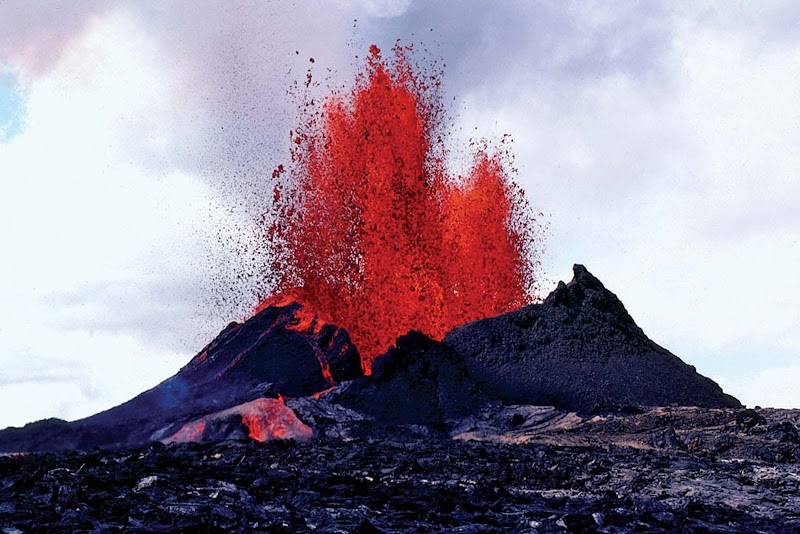
Hiking through Hawaii’s Volcanoes National Park means stepping into a world where the earth breathes beneath your feet. Choosing when to visit is more than a question of convenience—it shapes the entire journey. The park’s volcanic landscapes are fiercely alive, their moods shifting with the seasons. Each time of year offers unique conditions that affect trail accessibility, weather comfort, and the chance to witness bubbling lava flows or lush forest regeneration.
Summer (June to September) brings warm temperatures consistently between 75°F and 85°F, making it ideal for early morning hikes when the park is bathed in golden light and cooler air. Trails like the Kīlauea Iki Crater Trail offer a moderate 4-mile loop and 400 feet of elevation gain through steam vents and hardened lava fields. The terrain is firm, but hydration becomes critical—summer sun dares you to push forward, and wearing lightweight, moisture-wicking clothes is essential. Expect afternoon showers and occasional vog (volcanic smog), which can affect air quality.
Winter months (December to February) are cooler, with highs around 65°F to 75°F, and bring more rainfall. Trails through the native rainforests, such as the Sulphur Banks Walk, flourish, their mosses and ferns aggressively green after tropical rains. The challenge here is slippery terrain and sudden weather changes. Careful footwear with good grip and rain protection are practical musts. Winter is also when the lava lake visibility tends to improve, offering dramatic views from Halemaʻumaʻu Crater when active.
Spring (March to May) represents a transition with generally mild, stable weather and blooming blossoms along the paths. This season is less crowded and has manageable trail conditions. It’s perfect for moderate hikes like the Devastation Trail—a 1.5-mile round trip with slight elevation gain—where the volcanic landscape shows resilience and regrowth. Wildlife, including native Hawaiian birds, begins to reappear, adding another layer of engagement with the park’s temperament.
Fall (October to November) cools the air slightly and reduces rain compared to summer, though showers can still linger. The volcano’s activity sometimes spikes unpredictably in this season, so checking current volcanic alerts before your visit is advised. Trails retain firmness, but sudden mist and vog can add atmosphere and a touch of caution to your passage. The lower crowds mean you’ll engage more directly with the park’s elemental forces.
Overall, your choice in timing balances your appetite for adventure, comfort, and the natural elements’ unpredictable will. The volcanic terrain demands respect; even familiar paths can change suddenly with shifts in weather and volcanic activity. Planning with updated park alerts, sturdy gear, and preparedness for shifting conditions will transform your visit from a simple trek into an immersive encounter with Hawaii’s fiery heart.
Nearby Trips
All Adventures
Boat Charters
Water Activities
Adventures near Hilo
Discover the unique and memorable adventures that make Hilo special.
Frequently Asked Questions
When is the best time to see active lava flows?
Active lava flows are unpredictable and depend on eruptive activity. Historically, summer and fall provide the clearest viewing windows, but visitors must check the latest park alerts, as volcanic activity can shift quickly.
Are the trails suitable for beginners?
Many trails like Devastation Trail and Sulphur Banks are accessible to casual hikers with basic fitness. However, longer routes like Kīlauea Iki demand moderate stamina and comfort on uneven volcanic rock.
What wildlife might I encounter on hikes?
You can spot native birds such as the ʻApapane and ʻIʻiwi, as well as various insects and unique plant species adapted to volcanic soils. Early mornings increase chances of wildlife encounters.
How do volcanic emissions affect hiking conditions?
Vog (volcanic smog) can irritate respiratory systems and reduce visibility. Visitors with asthma or respiratory issues should monitor vog forecasts and avoid exposed areas during high emissions.
What cultural significance does the park hold?
The park is sacred to Native Hawaiians and home to Pele, the goddess of volcanoes. Respect for cultural sites and practices is expected, including staying on marked trails and not disturbing natural formations.
Are guided hikes recommended?
Guided hikes offer valuable insight into geology, biology, and cultural history, enhancing safety in changing terrain. Many hikers find them help connect to the park’s complex environment more deeply.
Recommended Gear
Sturdy Hiking Boots
Protect your feet from jagged lava rocks and slippery forest trails with high-traction, supportive boots.
Water Bottle or Hydration Pack
Hydration is critical, especially during warm months when heat and dry air increase water loss.
Light Rain Jacket
Be ready for sudden downpours; a breathable rain jacket keeps you dry without overheating.
Sun Protection (Hat, Sunscreen)
Hawaiian sun penetrates the open volcanic areas, so sun protection protects skin and supports energy levels.
Local Insights
Hidden Gems
- "Mauna Iki trail for panoramic views away from heavy tourist zones"
- "Steam vents near the Devastation Trail that visibly pulse with geothermal energy"
Wildlife
- "Native forest birds like ʻOmaʻo and Nēnē (Hawaiian goose)"
- "Rare endemic insects adapted to volcanic conditions"
History
"Volcanoes National Park safeguards both geological and Hawaiian cultural heritage, marking centuries of volcanic activity that shaped local communities and beliefs tied to Pele."