Late summer gravel rides in Montana provide a thrilling mix of cool mountain air, challenging terrain, and vast wilderness views. This guide offers practical advice for timing and preparation, ensuring riders can tackle these rugged roads safely and enjoyably.
Start Early to Avoid Afternoon Heat
Morning rides from 7 a.m. to 10 a.m. take advantage of cooler temperatures and calmer winds, helping maintain energy and reduce risks of midday heat exhaustion.
Pack Sufficient Hydration
Late summer trails often lack reliable water sources—carry at least 2 liters of water and consider a hydration pack for longer rides.
Choose Durable Tires with Tread
Opt for gravel tires with moderate tread to handle loose stones and hard-packed dirt, preventing flats and improving traction on technical sections.
Check Weather Daily
Montana’s mountain weather can shift quickly; reviewing detailed forecasts before riding can help avoid sudden storms or high winds.
Timing and Conditions: Preparing for Montana’s Late-Summer Gravel Rides

Vacation Bike - One Week Road or Gravel Bike Rental
One Week Road Road or Gravel Bike
Discover the thrill of exploring Sausalito by bike with a flexible week-long rental. Enjoy stunning coastal views, scenic routes, and the freedom to explore at your own pace. Perfect for outdoor enthusiasts looking for an active getaway!
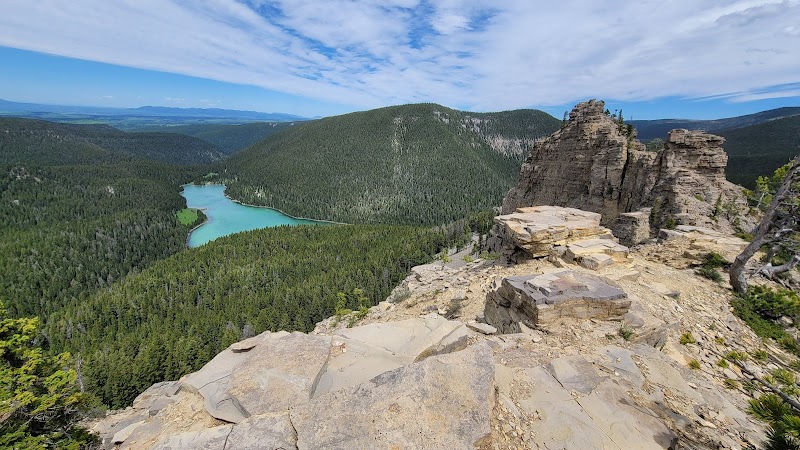
Montana’s late summer gravel rides offer a distinct blend of rugged terrain and open skies where every pedal stroke meets a landscape fiercely itself. By August and September, the high-altitude roads begin to shed the intense heat of July, while the mountain air steadily cools—inviting riders to push longer distances with more comfort.
Expect gravel roads that range between 15 and 40 miles per ride, with elevation gains climbing 1,200 to 3,000 feet depending on the route. Trails snake through mixed conifer forests where the pines stand tall, their needles whispering overhead. Dry riverbeds dare you to cross, and exposed ridges reveal sweeping valley views framed by distant peaks fading into a late-summer haze.
Late summer conditions mean dust is a constant companion; a stiff breeze can kick it up without warning. Roads harden underfoot, but watch for loose stones that test traction—especially on steep climbs or descents. Morning starts are best for cooler temperatures and quieter trails, but be ready for increasing heat through mid-afternoon. Montana’s mountain weather is famously capricious: sudden winds or a light shower can arrive unannounced. Water sources along these rides are sparse; plan your hydration carefully.
Footwear and bike setup take priority. Durable gravel tires with some tread are essential to handle rocky patches and soft dirt. Clipless pedals give power on ups but consider flats if you prefer quick foot placement on sketchier descents. Layering is practical; mornings begin cool, so lightweight breathable jerseys combined with a windbreaker work best.
Timing your ride between 7 a.m. and 10 a.m. leverages cooler temperatures, especially on south-facing slopes hungry for afternoon sun. Resist the urge to stretch beyond familiar kilometrage late in the day—weather shifts fast, and diminished light can cloud even the clearest route.
Late summer gravel rides in Montana are more than a physical challenge—they demand respect for a landscape that shapes your pace and stamina. Prepare well, keep your senses sharp, and you’ll find the rhythm where grit meets grace across the gravel roads.
Nearby Trips
All Adventures
Boat Charters
Water Activities
Adventures near Helena
Discover the unique and memorable adventures that make Helena special.
Frequently Asked Questions
What time of day is best for late-summer Montana gravel rides?
Early mornings between 7 a.m. and 10 a.m. provide the coolest and calmest conditions, minimizing exposure to dust, heat, and afternoon winds.
Are there water refill stations along the gravel routes?
Water sources are generally scarce. Riders should bring sufficient water and consider treating natural sources only if necessary, as they may be unsafe to drink without filtration.
How challenging are the elevation gains on these rides?
Elevation climbs typically range from 1,200 to 3,000 feet per ride, making the rides moderate in difficulty. Expect steady ascents with some steeper pitches on certain routes.
What wildlife might I encounter during these rides?
Late summer is prime for spotting mule deer, elk, and the occasional black bear. Early morning rides increase your chances of observing wildlife in quieter conditions.
Is it necessary to have advanced technical skills for Montana’s gravel rides?
Basic gravel handling skills suffice for most routes. However, experience with loose surface control, braking on descents, and route navigation will enhance safety and enjoyment.
Can weather change suddenly during a late-summer ride?
Absolutely. Montana's mountain weather can shift unexpectedly with fast-moving winds or brief showers. Carrying a lightweight windbreaker and checking forecasts daily is advisable.
Recommended Gear
Gravel bike with durable tires
A bike tailored for rough gravel roads with robust tires reduces risk of punctures and improves control.
Hydration pack or water bottles
Carrying at least 2 liters of water is critical since late summer Montana trails usually lack reliable water stops.
Lightweight windbreaker
Mornings and passes can get chilly; a breathable windbreaker protects against sharp winds without overheating.
Clipless pedals or flat pedals with good grip
Clipless pedals boost efficiency on climbs, while flats offer quick foot placement on technical descents—choose what suits your skill and comfort.
Local Insights
Hidden Gems
- "The East Ridge Overlook offers unobstructed views of local valleys rarely crowded by other riders."
- "A short detour near Elk Creek leads to a quiet meadow with wildflowers lingering well into September."
Wildlife
- "Black bears patrol forest edges quietly, especially at dawn and dusk."
- "Golden eagles often soar near ridgelines, providing striking aerial displays."
History
"Many gravel roads trace old mining and logging trails from the early 1900s, echoing Montana’s rugged frontier past."