
Denali National Park’s forests offer thrilling wildlife encounters, but timing is key. From the early stirrings of spring to the quiet tracks of winter, understanding animal patterns helps you make every hike a chance to witness Alaska’s wild residents in their natural realm.
Early Morning and Late Evening Trekking
Plan your hikes around sunrise and sunset when animals are most active, increasing your chances of sightings while avoiding daytime heat or wind.
Wear Waterproof Footwear
Denali’s forest floors are often wet or muddy, especially in spring and fall. Durable, waterproof boots will ensure comfort and safety on slippery terrain.
Carry Adequate Hydration
Even in cooler seasons, active hiking can be dehydrating. Carry at least 2 liters of water, especially for hikes over two hours or longer distances like Horseshoe Lake Trail.
Move Quietly and Patiently
Wildlife won’t wait. Walk with intention but respect the forest’s silence. Sudden noise or rapid movement often sends animals deeper into cover.
Timing Your Wildlife Encounters in Denali’s Forests: When Nature Awaits

3 Hour Naturalist Walking Tour
3 Hours • Learn about Plants and Animals! • Family Friendly
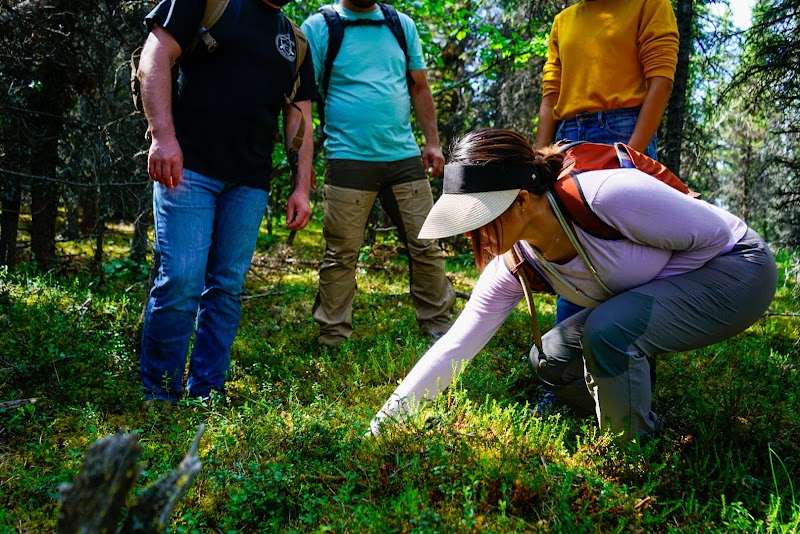
Join Northern Epics for a 3-hour guided walk through Denali’s forests and streams, where you’ll learn about local wildlife, sample berries, and deepen your connection to this wild landscape. Perfect for nature lovers of all ages, this tour offers a personal look at one of America’s most iconic parks.
Denali National Park’s forests hold a wild essence—dense stands of spruce and birch become stages where Alaska’s creatures move with purpose and indifference. The timing of your visit isn’t just about avoiding crowds; it's the key to unlocking wildlife sightings that feel earned and vivid. Animals here operate on nature’s schedule, driven by food availability, daylight, and seasonal rhythms. Knowing when to hike can turn a good trek into a memorable encounter.
Spring opens the door to fresh beginnings. As the snow recedes, moose cautiously return to forest edges, feeding on the first greens. Migratory birds reappear with a rush, filling still, crisp mornings with song. Wildlife is active, but still cautious, making early mornings or late evenings prime times —often just before or after sunrise and sunset when shadows lengthen and the forest breathes quietly. A moderate hike in this season often means cold air and wet ground; waterproof boots and layered clothing become essentials.
Summer’s long daylight hours stretch from dawn well into the night. This abundance of light brings a burst of activity: wolves patrol territories, bears forage along streams, and caribou traverse forest gaps on their way to alpine meadows. Hiking trails become corridors of sound and scent, where alert eyes and ears catch fleeting glimpses and rustles. Yet midday heat can push animals to shaded resting spots deep in the forest, making mornings and evenings still the best windows for observation. Plan your hikes to start before 7 a.m. or after 6 p.m. to maximize wildlife encounters and avoid the harsher afternoon sun.
Fall shifts the forest into a quieter tension. Animals prepare for winter; moose rut, bears bulk up before denning. The underbrush bears fruit, inviting smaller mammals and birds in denser numbers. Cooler temperatures slow hikers’ pace, but the crunch of dry leaves underfoot can alert wary animals. Timing your hike mid-morning to early afternoon can capture active feeding yet still avoid cold snaps that set in by late evening. This season rewards patience and slow movement.
Winter is the most challenging for sightings but no less compelling. The forest strips bare and animals retreat into denser cover or migrate. Tracks in snow often reveal their presence more than the animals themselves. Short daylight and frozen terrain demand proper gear and experienced footing. Sightings here become a quieter quiz of footprints, calls, and the rare glimpse of a bold wolf or lynx.
For any season, trails such as the Horseshoe Lake Trail (3.3 miles, moderate elevation gain with uneven terrain) offer a balance of manageable hiking and wildlife viewing. Always carry water for hydration and wear sturdy boots to handle the mix of forest floor—roots, rocks, and mud—that challenges each step. Your pace will be dictated not by distance alone, but by the forest’s rhythm.
Wildlife in Denali’s forests moves with the force of survival, indifferent yet intensely present. Your best chance to see it is to arrive ready: early or late in the day, attentive, and respectful. Every rustle and shadow is part of a wilderness that’s fiercely itself, a place where timing is everything.
Nearby Trips
All Adventures
Boat Charters
Water Activities
Adventures near Healy
Discover the unique and memorable adventures that make Healy special.
Frequently Asked Questions
When is the best time of day to see wildlife in Denali’s forests?
Early mornings just before sunrise and late evenings around sunset offer the highest probability of wildlife sightings. Animals tend to avoid the midday heat and become more active in these low-light hours.
Are there specific trails known for better wildlife viewing?
The Horseshoe Lake Trail is a balanced option with 3.3 miles of mixed forest and open areas where moose, bears, and birds are commonly spotted. The trail’s moderate elevation gain also makes it accessible for many hikers.
What wildlife can I expect to see in different seasons?
Spring brings moose and migratory birds; summer showcases bears, wolves, and caribou; fall highlights moose rutting and bird migration; winter sightings are rare, focusing more on tracks and occasional predator glimpses.
How should I prepare physically for hiking Denali’s forest trails?
A moderate fitness level is recommended due to uneven, often slippery terrain and elevation changes. Practice hiking on mixed terrain and build endurance for 3-5 hour trips.
Are there any safety concerns related to wildlife encounters?
Yes. Always maintain distance from animals, especially bears and moose. Carry bear spray, make noise to alert animals early, and avoid surprising them. Respect the forest’s wild residents.
What are common environmental considerations for hikers in Denali?
Stay on designated trails to protect fragile ecosystems, pack out all waste, and avoid feeding wildlife. Seasonal trail conditions vary, so check current park advisories before heading out.
Recommended Gear
Waterproof Hiking Boots
Protects feet from wet, slippery ground common in spring thaw and fall rains.
Layered Clothing
Enables quick adaptation to rapid temperature changes from cold mornings to warm daytime.
Binoculars
Enhances distant wildlife spotting along forest edges or open glades.
Insect Repellent
Keeps biting insects at bay during peak mosquito season in summer.
Local Insights
Hidden Gems
- "Polychrome Pass viewpoint offers sweeping forest and mountain vistas with lower visitor density."
- "Byers Lake area has quieter forest pockets where beaver activity shapes the landscape."
Wildlife
- "Red squirrels are surprisingly vocal and active year-round in Denali’s forests."
- "Northern hawk-owls can occasionally be spotted during late winter evenings."
History
"Denali’s forests were historically traversed by Athabaskan peoples who relied on the land’s resources for hunting and seasonal migration, an enduring legacy reflected in place names and cultural stories."