Timing your visit to Denali National Park can make the difference between fleeting shadows and vivid encounters with wildlife and flora. Learn when to plan your hikes to witness thriving blooms and active animals, combined with practical tips that prepare you for shifting terrain and unpredictable weather.
Start Early or Late for Wildlife Sightings
Animals like bears and Dall sheep are most active during cooler hours around dawn and dusk. Plan hikes accordingly to increase your chances of sightings.
Use Waterproof Footwear
Spring and early summer trails can be soggy and muddy, especially near lowland meadows. Waterproof boots protect feet and improve stability.
Pack Layers for Variable Weather
Temperatures swing widely; layering helps manage sudden chills or warming conditions, especially in fall when cold fronts move quickly.
Bring Binoculars for Distance Watching
Many wildlife sightings happen at a distance—steady your view with binoculars to observe from safe locations without disturbing animals.
Mastering Denali’s Seasons: Timing to Catch Wildlife and Blooms

Morning Hike
Up to 11 people • Ages 5+ • Two to Four hours • up to 7 miles round trip • Moderate /Strenuous
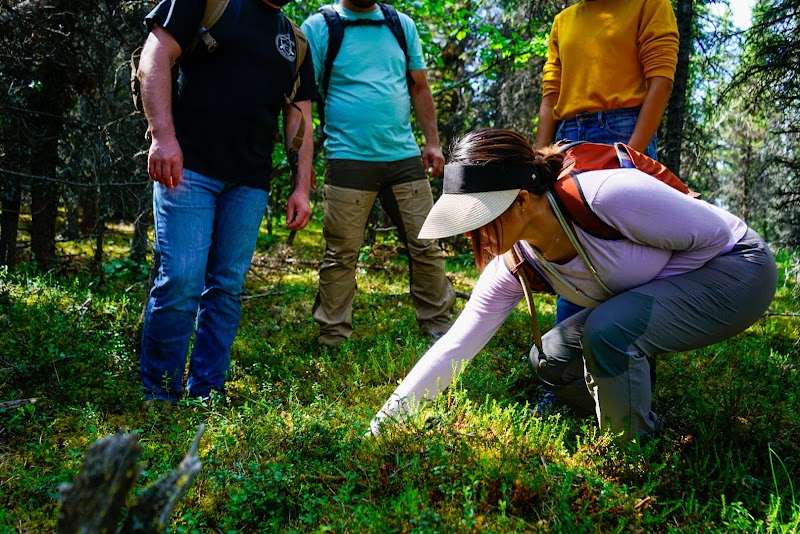
Join New Wave Adventures for an early morning trek through Denali’s stunning taiga and tundra, where rugged beauty and wildlife await at dawn. Discover why this guided hike is a must-do for outdoor enthusiasts seeking authentic Alaskan wilderness experiences.
Denali National Park demands patience and respect, especially when chasing its elusive wildlife and fleeting bursts of floral color. Knowing when to visit is half the adventure. From the sturdy spruce trees brushing against cool mountain winds to rivers that carve steadfast paths through granite, timing your trip shapes every encounter.
Spring arrives with cautious footsteps—snow melting, streams swifter—triggering a rush of wildflowers like fireweed and lupine that dare you to follow. Moose calves emerge in late May, their large eyes reflecting cautious curiosity among thawing meadows. The terrain is often boggy with lingering ice patches near lower elevation trails like the Savage River Loop (4 miles roundtrip, 250 ft elevation gain). Expect muddy sections; waterproof boots and trekking poles help steady your pace.
Summer balances vivid blooms with elusive wildlife sightings. Mid-June through July unfurls broader floral carpets—mountain avens and Arctic poppies—and active bear cubs, busy with their own seasonal quests. Trails such as the Horseshoe Lake (3.5 miles roundtrip, 300 ft gain) provide forested paths scorched with sunlight filtering through white spruce and birch. Early mornings or late afternoons are prime for spotting Dall sheep nimbly navigating jagged ridges or wolves moving silent and confident through blue joint grass.
Fall shifts gears swiftly. By mid-September, Denali hums with crimson hues and golden leaves that charge the landscape’s energy. Caribou herds migrate through as frost begins to slip into the air, and birds of prey circle sharper against the colder, clearer skies. The Eielson Visitor Center trail (1 mile, negligible elevation) offers sweeping views where color contrasts against stark peaks. Preparation here means layering—temperatures plunge, and winds sharpen. Days shorten; timed outings demand precision.
Hydration remains critical year-round. High-quality, insulated water bottles repel Denali’s chill and sustain you through variable pacing. Hiking footwear must be durable with strong tread—gravel and occasionally icy patches test every step. Layered clothing and sturdy hats guard against sunlight and biting breezes, since the weather shifts faster than wildlife across the tundra.
Whether you’re weaving through bursting wild lupines or pausing quietly by spruce shadows to watch a fox collar its prey, Denali insists on engagement—not conquest. It reveals moments to those who align timing with the park’s fierce rhythm, rewarding with glimpses both bold and subtle. Your journey is part navigation, part patience—where every hour tunes you closer into a landscape endlessly alive and fiercely itself.
Nearby Trips
All Adventures
Boat Charters
Water Activities
Adventures near Healy
Discover the unique and memorable adventures that make Healy special.
Frequently Asked Questions
When is the best time to see Denali’s wildflowers?
The peak bloom typically happens from mid-June through July. Spring blooms can start as early as late May in lower elevation meadows once the snowback recedes. Planning hikes during this period offers the best chance to appreciate dense clusters of fireweed, lupine, and Arctic poppies.
Where can I spot large wildlife safely in Denali?
Savage River Loop and Horseshoe Lake trails are high-probability zones for moose and Dall sheep. Stay on designated trails and maintain a safe distance—use binoculars to observe without intrusion. Rangers recommend early morning or late afternoon visits when wildlife is most active.
Are there any lesser-known viewpoints worth visiting?
Try the Triple Lakes Trail, a 3-mile moderate trek offering quieter scenery and views of Denali’s southern peaks without the crowds. It’s a good spot for bird watching and catching glimpses of smaller mammals like foxes and ptarmigans.
What environmental precautions should I take?
Denali’s ecosystems are fragile: stay on established paths to avoid trampling flora, pack out all trash, and respect wildlife by observing from a distance. Avoid feeding animals to prevent habituation and disturbances.
How should I prepare for changing weather on hikes?
Weather can shift quickly, especially in fall. Layered clothing, waterproof gear, and extra dry clothing are essential. Check forecasts before setting out, and be ready to turn back if conditions worsen.
What local history enriches the Denali experience?
Denali has been home to indigenous Athabaskan peoples who respected the mountain’s power for centuries. The park’s conservation history, initiated in 1917, reflects deliberate efforts to preserve its wilderness spirit amid Alaska’s evolving frontier.
Recommended Gear
Waterproof Hiking Boots
Protect your feet against wet, boggy spring trails and ensure steady footing on mixed terrain.
Insulated Water Bottle
Keeps water at temperature through long hikes and across variable weather.
Layered Clothing System
Helps manage rapid cooling with dawn-to-dusk temperature swings.
Binoculars
Vital for distant wildlife observation without disturbing the animals.
Local Insights
Hidden Gems
- "Triple Lakes Trail—quiet and less traveled with excellent views."
- "Teklanika River overlook—watch for migrating birds and river otters."
- "Igloo Creek Campsite area—good spot for spotting elusive lynx tracks."
Wildlife
- "Moose calves in spring meadows"
- "Dall sheep on rocky slopes"
- "Black and grizzly bears near riparian zones"
- "Arctic foxes and wolves in tundra areas"
History
"Denali’s establishment in 1917 marked a significant effort to protect Alaska’s largest peak and its surrounding wilderness from mining and settlement pressures. The park blends natural history with stories of native stewardship and early explorers."