Capturing Magnolia’s Historic Cabins and Gardens Through the Seasons: A Photographer’s Practical Guide
Magnolia’s historic cabins and lush gardens offer photographers a dynamic canvas through the seasons. This guide provides practical tips on timing, gear, and technique to help you capture the evolving beauty while navigating terrain and seasonal challenges.
Start Early to Catch Ideal Light
Morning light reveals textures and soft contrasts on cabin timbers and garden blooms before the sun grows harsh. Arrive at sunrise for best results.
Wear Sturdy Footwear
Trails vary from packed dirt to root-covered patches—shoes with good grip reduce the risk of slips and support steady framing.
Carry Water and Protect Gear
The 2.5-mile loop involves moderate elevation change and shifting weather. Stay hydrated and shield your camera from moisture and dust.
Respect the Site’s History and Environment
Avoid stepping on delicate plants and keep a respectful distance from cabins to preserve structural integrity and garden health.
Capturing Magnolia’s Historic Cabins and Gardens Through the Seasons: A Photographer’s Practical Guide
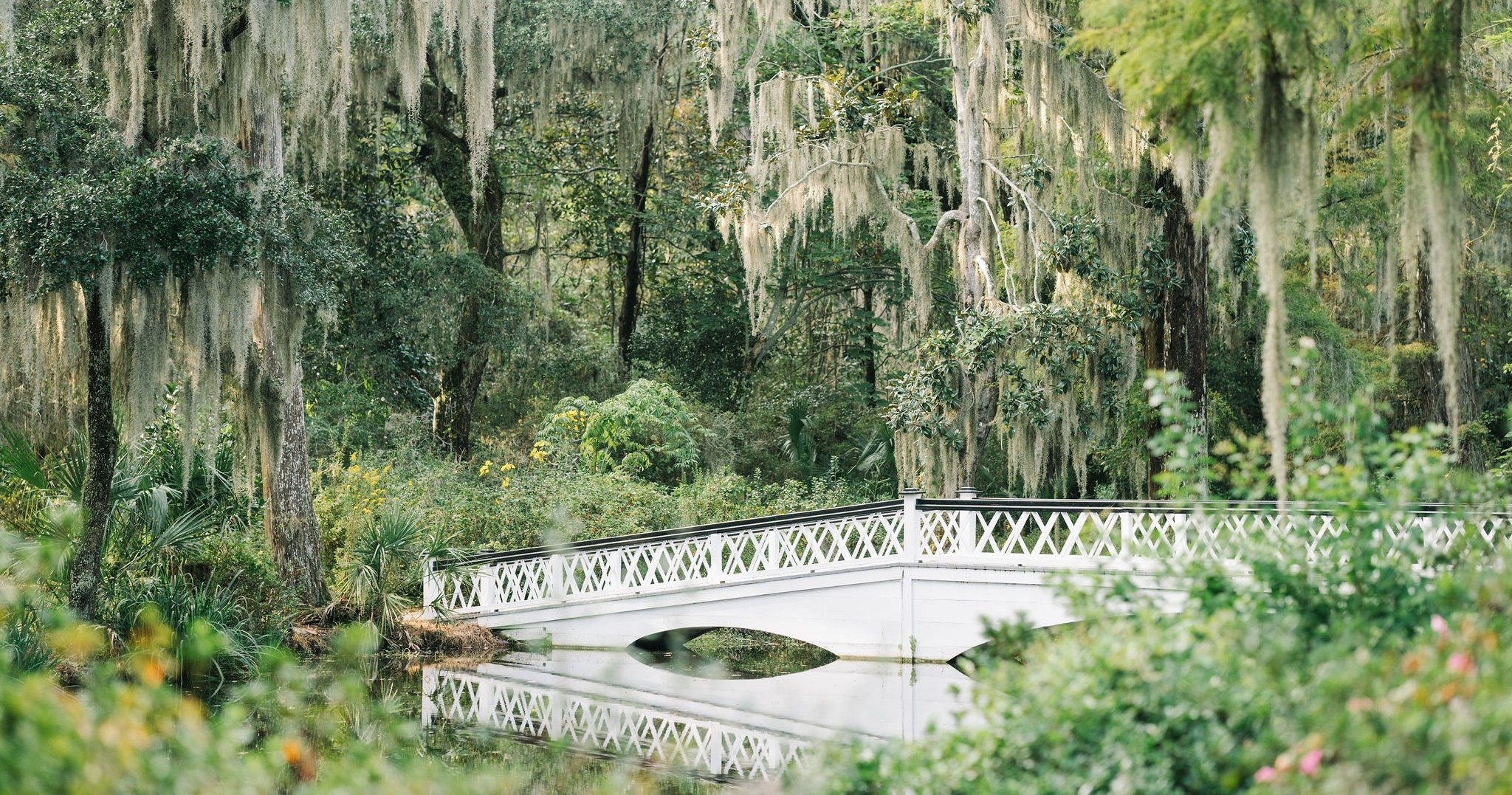
Magnolia Planation & Gardens
4.5 Hours • All Ages
Step into Magnolia Plantation & Gardens for historic tours and riverside nature walks blending centuries-old gardens with powerful stories from the Lowcountry's past.
Magnolia’s historic cabins stand firm against the panorama of time, their timbered edges weathered yet welcoming. Surrounding these relics, gardens burst and ebb with the seasons—each cycle lending the canvas a fresh stroke of color, texture, and mood. For photographers eager to document this layered beauty, understanding how to adapt your approach to changing light, weather, and environment is key. This guide arms you with practical, season-focused strategies and logistical insights to make every shot count.
Approach the site on foot via the 2.5-mile trail looping around the property, with a manageable 300 feet elevation change. The terrain alternates between well-trodden dirt paths and patches of uneven ground graced by tree roots and moss—solid footwear with good tread is a must. Morning light filters through the leafy canopy, inviting early starts to catch dew-laden garden blooms and soft cabin shadows. Plan for hydration; the steady pace and undulating incline invite frequent water breaks.
Spring transforms the gardens with subtle greens and bursts of early blossoms, a time when the cabins contrast dramatically with fresh foliage. Shoot in the mid-morning to capture the interplay of light and shadow as the sun dares to warm the still cool air. Be alert for muddy patches after rains, and protect gear against unpredictable drizzle.
Summer wakes the garden’s full vibrancy; colors reach a climax, sunlight staunch and direct by late morning. Use shade under broadleaf trees to soften harsh light. Golden hour is your ally here, rendering warm hues on cabin siding and saturating flowers with rich detail. Stay hydrated and shield your gear from dust stirred by summer breezes.
Fall casts a rich palette of reds, oranges, and golds across leaves and flowerbeds. The cabins wear this seasonal coat well, their aged wood blending with the fiery garden tones. Early morning mist adds atmosphere—arrive early to capture this fleeting dampness before the sun pushes it away. Uneven trails may become slick with falling leaves; move deliberately.
Winter strips the garden to skeletal branches, leaving cabins exposed to cold winds and dusky light. Frost and bare trunks frame precise, minimalist compositions. Midday offers the best light when the sun climbs higher but remains gentle. Layered clothing is critical, and a sturdy tripod will help compensate for slower shutter speeds.
Remember to balance your creative ambition with respect for the site’s delicate environment and quiet history. The cabins and surrounding gardens are not just subjects; they are characters in this ongoing seasonal story, each eager to reveal themselves to those ready to listen through their lens.
Nearby Trips
All Adventures
Boat Charters
Water Activities
Adventures near Harrisburg
Discover the unique and memorable adventures that make Harrisburg special.
Frequently Asked Questions
Are the historic cabins accessible year-round?
Yes, Magnolia’s cabins are accessible throughout the year. However, winter conditions can make some paths slippery, so plan accordingly.
Can I use drones to photograph the site?
Drone use is restricted to protect the privacy and preservation of the historic site. Check with park authorities before planning aerial shots.
Is there parking available near the trailhead?
Yes, parking is available at the main Magnolia visitor lot, about 0.2 miles from the trail entrance.
Are guides or tours offered for historical context?
Guided tours are seasonal, usually offered in spring and fall. Advance booking is recommended to gain deeper insight into the cabins’ history.
What wildlife might I encounter on the trails?
Deer, various songbirds, and occasional fox sightings are common. Early morning is best for spotting active animals.
Is there cell service on the trail for emergency use?
Cell coverage is spotty in some areas; it’s best to inform someone of your plans and carry emergency supplies.
Recommended Gear
Hiking boots with good tread
Supports steady footing on mixed dirt and root-laden paths, preventing slips and ankle injuries.
Lightweight tripod
Allows for stable shots in low light conditions, especially in winter when shutter speeds slow.
Waterproof camera cover
Protects gear from rain and drizzle common during spring visits.
Layered clothing
Keeps you comfortable amid fluctuating temperatures and chilly winds, ensuring focus remains on photography.
Local Insights
Hidden Gems
- "An overlook near the old oak tree offers unobstructed views of the entire garden spread below."
- "The small spring-fed pond at the garden’s east edge reveals delicate reflections early in the day."
Wildlife
- "Eastern box turtles often sunbathe near the cabins on warm days."
- "Red-tailed hawks patrol the skies, adding dynamic wildlife contrast to your footage."
History
"The cabins date back to the early 1900s and served as seasonal homes for Magnolia founding families, reflecting architectural trends from their era and craftsmanship focused on blending with the natural environment."