
Timing Tips for Calm Conditions & Wildlife Encounters on the Appalachian Trail
The Appalachian Trail offers more than a physical challenge—it presents moments of stillness to connect deeply with nature. Learn how timing your hike strategically enhances peaceful conditions and increases your chances for authentic wildlife encounters along one of America's most iconic trails.
Start Early or Late
Plan your hike around dawn or dusk to catch low wind and active wildlife before midday disturbances pick up.
Pack Quiet Gear
Use soft, noise-dampening materials for your pack and clothing to avoid scaring away animals during your hike.
Hydrate Strategically
Carry at least two liters of water and a reliable filtration system to maintain energy and alertness throughout variable terrain.
Respect Wildlife Space
Maintain distance and avoid sudden movements; wildlife encounters are best experienced when animals feel safe and unthreatened.
Timing Tips for Calm Conditions & Wildlife Encounters on the Appalachian Trail

Mokulua Islands Self-Guided Kayak Adventure
All Day • Ocean Kayak
Discover the stunning Mokulua Islands on a self-guided kayaking adventure from Kailua. Perfect for explorers seeking scenic views, marine wildlife, and a personalized outdoor experience. Read on to learn more about this fun-filled island escape!
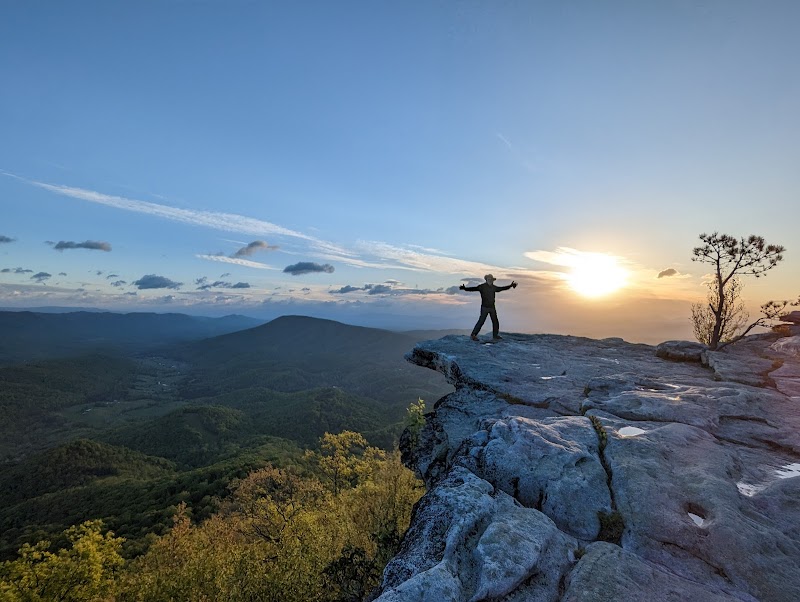
The Appalachian Trail (AT) tests your endurance and rewards your effort with moments where nature reveals itself quietly—when the wind softens and wildlife steps out from the shadows. Planning to catch these calm windows is key. Aim for early mornings or the last hour before dusk, when the forest awakens gently and creatures roam with less caution.
This trail stretches over 2,190 miles, but even just a day hike on a calm section—say 6 miles with a 1,200-foot elevation gain—can feel like stepping into a living ecosystem that pulses with life. The terrain varies from soft, leaf-carpeted paths beneath towering hardwoods to rugged rocks guarding ridge lines. Understanding the rhythm of weather and creature activity transforms your hike from mere passage through scenery into a genuine encounter.
Timing your hike early in the day means cooler temperatures and fewer hikers, allowing the forest’s whispers to emerge between bird calls and the rustle of small mammals. Midday heat can stir winds that ripple through the canopy, pushing leaves into a restless dance, scattering the quiet moments you seek.
Track the moon phases and seasonal patterns. Spring mornings bring migratory songbirds and the cautious steps of deer emerging to feed. In fall, calm afternoons beneath vibrant foliage are windows to spot foxes or even a black bear at a distance. Winter demands more preparation but rewards those who venture with stillness—tracks in snow tell stories, and distant woodpecker taps break the silence.
Practical preparation sharpens your experience. Hydration needs peak with exertion—carry at least two liters, and filter water from reliable sources. Footwear should grip damp roots and slick rocks without sacrificing breathability. Layer your clothing; the mountain breathes differently with every hour. Bonus tip: a pack with quiet, soft materials helps avoid startling wildlife.
Approach the trail as a negotiation with nature, one that oscillates between patience and readiness. Calm conditions are fleeting, and wildlife is fiercely itself—not performers, but residents in their domain. Your presence, careful and respectful, allows those moments to unfold naturally. This mindset brings not just a hike but an exchange.
By choosing your timing wisely and preparing with intention, each step leads you closer to a rare balance where the trail’s energy feels more still and alive at once. Adventure demands you move through it eagerly, but also with attentiveness. Listen when the river dares you near, let the fog lift around tall pines, and watch for the fox that waits quietly in a sunlit clearing. Here is the place where adventure meets the calm pulse of wilderness.
Nearby Trips
All Adventures
Boat Charters
Water Activities
Adventures near Harper's Ferry
Discover the unique and memorable adventures that make Harper's Ferry special.
Frequently Asked Questions
What time of day is best for seeing wildlife on the AT?
Early mornings and late afternoons offer the calmest conditions and greatest chance to see animals active near water sources and forest edges.
How can I minimize my impact on the trail and wildlife?
Stick to established paths, keep noise low, respect wildlife distance, and carry out all trash to preserve the environment and natural behavior of animals.
What should I do if I encounter a bear?
Stay calm, avoid direct eye contact, give the bear space, back away slowly, and never run. Carry bear spray as a precaution in areas of frequent sightings.
Are there any lesser-known viewpoints worth visiting?
Yes, spots like Raven Rocks overlook in the Mid-Atlantic section offer sweeping views with fewer visitors, often at tranquil times ideal for wildlife observation.
What weather conditions should I avoid for calm hikes?
Strong winds, storms, or extremely hot midday conditions disrupt wildlife and increase personal risk. Aim for stable, mild weather windows.
How can I best prepare for variable trail conditions?
Layer your clothing, bring waterproof gear, check trail reports prior to departure, and carry tools for navigation and first aid.
Recommended Gear
Lightweight hiking boots
Provide grip on damp and leaf-covered terrain while allowing foot movement for long hikes.
Insulating layers
Layering helps adjust to fluctuating temperatures from early morning chills to midday warmth.
Water filtration system
Ensures safe hydration from streams when carrying excess water is impractical.
Binoculars
Enhances wildlife viewing without disturbing animals, especially in calm conditions.
Local Insights
Hidden Gems
- "Buzzard's Rock for unobstructed valley views"
- "Little Stony Man Loop with secluded wildlife observation spots"
Wildlife
- "White-tailed deer"
- "Red foxes"
- "Eastern wild turkeys"
- "Black bears (cautiously)"
History
"The Appalachian Trail passes through areas with rich colonial history, including sections near Harper's Ferry, a key 19th-century transportation and abolitionist hub."