
Navigating Tides and Timing: Shelling Adventures Along Alabama’s Coastal Waters
Shelling along Alabama's coast offers an engaging mix of patience and discovery, where tides reveal hidden treasures beneath ever-changing shores. Timing your visit with the low tides unlocks prime opportunities to explore diverse coastal habitats and gather unique shells.
Consult Tide Charts Before You Go
Plan your trip around the lowest tides, typically occurring during new and full moons, to maximize access to exposed shelling areas.
Wear Water-Resistant Footwear with Grip
Navigating wet sand, mud, and rocky surfaces is easier and safer with shoes designed to protect feet and prevent slipping on slick oyster beds or algae-covered rocks.
Bring Collection Bags and Buckets
Use sturdy containers for your shells to avoid crushing delicate finds and to keep pieces organized as you explore different coastal zones.
Stay Hydrated and Use Sun Protection
The sun can be intense near the water; carry water and apply sunscreen regularly to stay comfortable and avoid fatigue during longer shelling excursions.
Navigating Tides and Timing: Shelling Adventures Along Alabama’s Coastal Waters

Three Hour Shelling or Sightseeing
All Ages • Private Charter • Up to Six People
Discover the stunning waters of Goodland, Florida, on a private boat tour that combines shelling and sightseeing. Experience the tranquility of the coastal flats and encounter diverse wildlife in this personalized adventure. Read on to learn more about what makes this trip special!
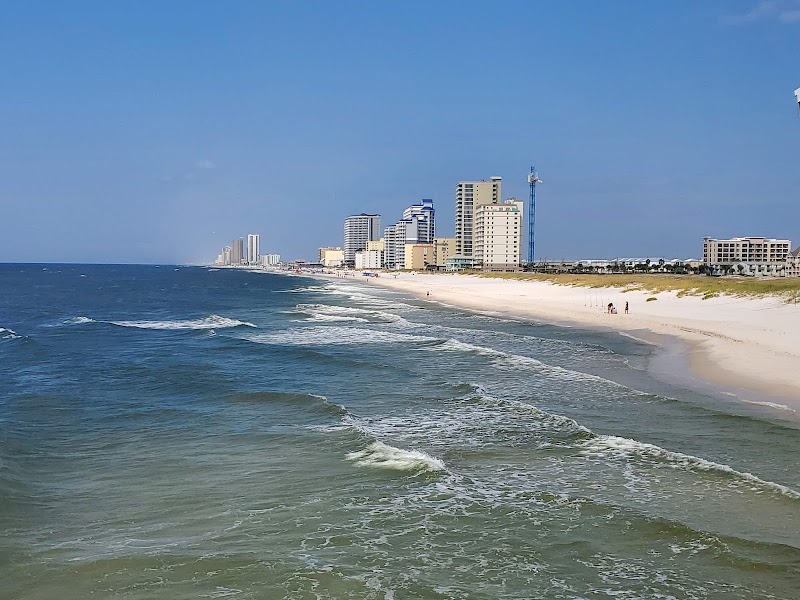
Alabama’s coastal waters along the Gulf shimmer with promise for shell collectors ready to engage with the sea’s ebb and flow. Here, the tide doesn’t just guide your footsteps—it shapes the very landscape you explore, revealing treasures buried beneath shifting sands and stirring the currents that tease out hidden shells.
The key to a successful shelling outing lies in understanding timing and tide. Low tide unveils the richest stretches—rocky flats and exposed sandbanks invite you to comb through their offerings. But the tide is a restless companion, patient yet insistent, steadily reclaiming its domain and urging you to move with intention. Planning your trip around the lowest tides, especially during a new or full moon, maximizes the coastline’s exposure.
Alabama’s coast stretches roughly 60 miles, with prime shelling spots centered near Gulf Shores and Dauphin Island. Expect flat terrain but variable surfaces—wet sand, occasional muddy patches near estuaries, and rocky outcrops that demand careful footing. The elevation gain is minimal, but the challenge comes from the terrain’s unpredictability and tide schedules dictating your timeline.
Arrive early with the tide chart in hand—a resource that aligns your adventure with the sea’s rhythm. Morning low tides often present the calmest seas and the freshest finds before the warmth draws more visitors. Footwear matters: water-resistant shoes with good grip will navigate slippery rocks and soggy sand comfortably, protecting your feet against oyster shards and smooth barnacles.
Bring a sturdy collecting bag and buckets, and keep hydration nearby—coastal sun can be sharper than it seems, and the slow walk back after low tide demands energy. If you’re targeting rare species, local tide pools around Dauphin Island offer diverse marine life that reacts fiercely to the tide, daring you to observe without disturbing the habitat.
Each shell you pick up tells a story shaped by currents and time. The environment here is a living, breathing entity, pushing forward with each incoming tide and retreating with careful patience. Respect this cycle, and you’ll find your experience both riveting and rewarding. Whether you’re a casual seeker or a seasoned adventurer, mastery of timing and tidal knowledge converts a simple beach walk into a purposeful expedition through Alabama’s coastal wonders.
Nearby Trips
All Adventures
Boat Charters
Water Activities
Adventures near Gulf Shores
Discover the unique and memorable adventures that make Gulf Shores special.
Frequently Asked Questions
When is the best time of day to go shelling along Alabama’s coast?
Early morning around the lowest tide is best for quiet beaches and freshly exposed shell beds. Check tide charts to arrive at the lowest tide, often a few hours after dawn.
Are there areas where shell collecting is restricted or prohibited?
Yes. Certain protected wildlife refuges, such as parts of the Bon Secour National Wildlife Refuge, restrict shelling to protect habitats. Always confirm local regulations before collecting.
What kinds of shells are most common here?
Look for classic Gulf Coast shells like lightning whelks, coquina clams, oyster shells, scallops, and sand dollars. Post-storm tides tend to bring in more unique finds.
Is it safe to shell after a storm?
Storms churn the seabed, sometimes revealing rare shells but also stirring debris. Wait for conditions to calm and exercise extra caution due to possible sharp debris and strong currents.
Can I find shells year-round?
Shells wash in all year but are most abundant and accessible spring through fall when the tides expose more shore and storms bring in diverse species.
What wildlife should I watch for while shelling?
Expect shorebirds like sandpipers and plovers actively foraging, crabs skittering near tidal pools, and marine life such as starfish or small fish darting through shallow waters.
Recommended Gear
Water-Resistant Shoes
Protect feet on slippery, rocky, and wet sandy surfaces, ensuring safety and comfort.
Tide Chart or Tide App
Critical for planning your shelling during optimal low tide windows.
Collection Bag or Bucket
For safely storing shells without damage while moving between sites.
Sun Protection (Hat, Sunscreen)
Defends against intense coastal sun exposure during long shelling sessions.
Local Insights
Hidden Gems
- "Dauphin Island’s western beaches offer less crowded shelling with tide pools revealing tiny ecosystems."
- "West Beach near Gulf Shores reveals fossilized shells embedded in sedimentary rock formations."
Wildlife
- "Snowy plovers and least terns nest in spring and summer, requiring respectful distance."
- "Blue crabs and hermit crabs often peek out on exposed flats during low tides."
History
"Shell middens left by indigenous cultures speak to thousands of years of coastal interaction, reflecting the deep human connection in this region."