
Timing and Weather Considerations for Scenic Kayaking in the Boundary Waters, Minnesota
The Boundary Waters in Minnesota offer a kayaking experience defined by serene lakes, rugged portages, and a wilderness fiercely itself. Knowing when to paddle here shapes your adventure—from summer’s warmth to fall’s crisp clarity and spring’s fresh challenges.
Watch Weather Forecasts Daily
Sudden thunderstorms and winds can develop quickly. Check local weather updates and be ready to adjust your route or wait out rough conditions.
Prepare for Insect Season
Spring and early summer mornings host clouds of mosquitoes and black flies. Use insect repellent and wear protective clothing to maintain comfort on the water.
Pack Lightweight, Layered Clothing
Temperatures can swing from warm sun to cool breezes. Layer your clothing to stay comfortable and dry throughout the day.
Plan Your Portages
Portage trails vary from smooth sandy paths to rocky, uneven ground. Wear supportive footwear and carry loads strategically to conserve energy.
Timing and Weather Considerations for Scenic Kayaking in the Boundary Waters, Minnesota

Partial Day Tour
For all ages! • Approximately 5.5 hours depending on weather conditions
Join Garl's Coastal Kayaking Everglades for a half-day adventure through Florida’s iconic wetlands. Glide past mangroves and spot local wildlife on this accessible, guided kayak trip that’s perfect for all skill levels and ages 12 and up. Discover the beauty of the Everglades from the water and create unforgettable memories in this one-of-a-kind wilderness.
Scenic kayaking in the Boundary Waters Canoe Area Wilderness (BWCAW) offers a raw encounter with waterways that pulse with life, pushing you gently forward through clear waters framed by dense pine forests and rocky shorelines. Timing your trip here isn’t just calendar math—it’s a negotiation with the elements. Summer months, from June through early September, provide the warmest water temperatures and longest daylight hours, ideal for extended paddling and camping. However, these months also bring higher visitor numbers and the occasional thunderstorm, so staying alert to changing weather is crucial for safety.
Spring and fall present quieter waters with crisp air and softer light, revealing a different character in the Boundary Waters. April and May often carry cool currents and fluctuating water levels from snowmelt, which can challenge navigation or make portages muddy and slick. Conversely, early fall brings dramatic foliage, with red and gold leaves daring you to slow down, soak in the calm, and respect the shortening days.
Winter kayaking is limited due to ice and snow, but shoulder seasons frame the paddling season and require particular preparation. Waterproof gear, layered clothing, and a sharp eye on local weather forecasts are practical priorities here. Winds can shift suddenly, sweeping across open lakes and testing your control. Early morning calm often yields smooth water like glass, offering exceptional conditions for photography or quiet paddling, but afternoon winds arise predictably along some lake corridors.
Planning around daily weather windows is vital. Temperatures average from the mid-70s°F in summer to the 40s°F in fall. Mosquitoes and black flies rule spring and early summer mornings, so insect protection isn’t optional—it’s essential. Hydration and sun protection remain constant concerns across all seasons.
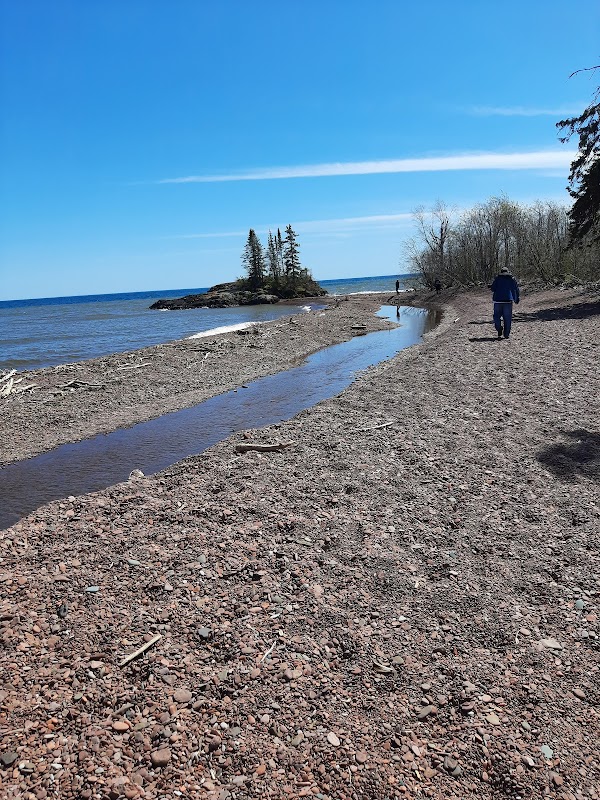
The terrain surrounding the waterways is varied: rocky outcrops demand careful footing during portages, while sandy beaches invite restful pauses. Elevation changes are minimal but frequent carry-ways keep you engaged with the wilderness’s demands. Expect to portage between 1 to 3 miles on longer trips, which requires stamina and sturdy footwear.
Ultimately, your Boundary Waters kayak journey is an exchange between you and a wilderness that moves on its own terms—sometimes languid, sometimes relentless. Respecting seasonal shifts, preparing for variable conditions, and pacing your adventure in response will prepare you to experience its true, untamed beauty.
Nearby Trips
All Adventures
Boat Charters
Water Activities
Adventures near Grand Marais
Discover the unique and memorable adventures that make Grand Marais special.
Frequently Asked Questions
When is the best time to avoid mosquitoes while kayaking in the Boundary Waters?
Late summer and early fall (late August through October) see a drop in mosquito activity, making this period ideal if bugs are a concern.
Are permits required for kayaking trips in the Boundary Waters?
Yes, permits are required year-round for overnight trips to regulate visitor numbers and protect natural resources. Day use may also require permits in certain areas.
Can beginners kayak safely in the Boundary Waters?
Yes, but it’s recommended to start with shorter routes on calmer lakes and to have basic paddling instruction. Seasoned guides can provide valuable support.
What wildlife might paddlers encounter here?
Expect sightings of loons, eagles, deer, beavers, and occasionally black bears. Early mornings are prime times for wildlife activity.
How do sudden weather changes affect kayaking plans?
Wind and storms can create unsafe conditions quickly. Always check the latest weather reports and have an evacuation plan close at hand.
Are there hidden spots within the Boundary Waters that offer more solitude?
Yes, the eastern and northern sections tend to be less visited. Exploring smaller, lesser-known lakes through longer portages can bring more peace.
Recommended Gear
Waterproof Dry Bags
Protects gear from water exposure during paddling and portages.
Mosquito Head Net
Crucial for keeping biting insects away during peak fly season.
Layered Clothing
Allows you to adapt to temperature changes on the water and shore.
Sturdy Water Shoes or Hiking Sandals
Provides support and traction on slippery rocks and rough portage trails.
Local Insights
Hidden Gems
- "Devil’s Cascade waterfall views along key portage trails"
- "Quiet coves on Saganaga Lake for wildlife watching"
- "Remote campsites on Gunflint Lake away from main travel corridors"
Wildlife
- "Common loons with their haunting calls"
- "River otters darting along shorelines"
- "Black bears frequenting berry patches in fall"
History
"The Boundary Waters area carries significant Ojibwe heritage, with centuries-old trading routes and sacred sites dotting the landscape. The canoe routes reflect this rich cultural past."