Mastering the Current: Timing Your Whitewater Rafting for Peak Conditions
Whitewater rafting in Colorado offers an exhilarating dance with fierce, ever-changing rivers. Understanding seasonal timing ensures you catch each rapid at its most thrilling—and safe—state for a ride that tests skill and rewards courage.
Monitor River Flow Rates
Check local river gauge data before your trip to gauge the water volume and flow speed. Flow rates outside recommended levels can be dangerous.
Hydrate Constantly During Summer Trips
Summer can bring long, hot days on the river. Bring plenty of water and drink regularly to avoid dehydration.
Wear Appropriate Footwear
Choose water shoes with solid grip to protect feet on slippery rocks and when entering or exiting the raft.
Launch Early for Calm Conditions
Start your run in the early morning when winds are lighter and the water surface is smoother for improved visibility and control.
Mastering the Current: Timing Your Whitewater Rafting for Peak Conditions

Red Canyon Full 5 hour Wild West Experience
All ages •
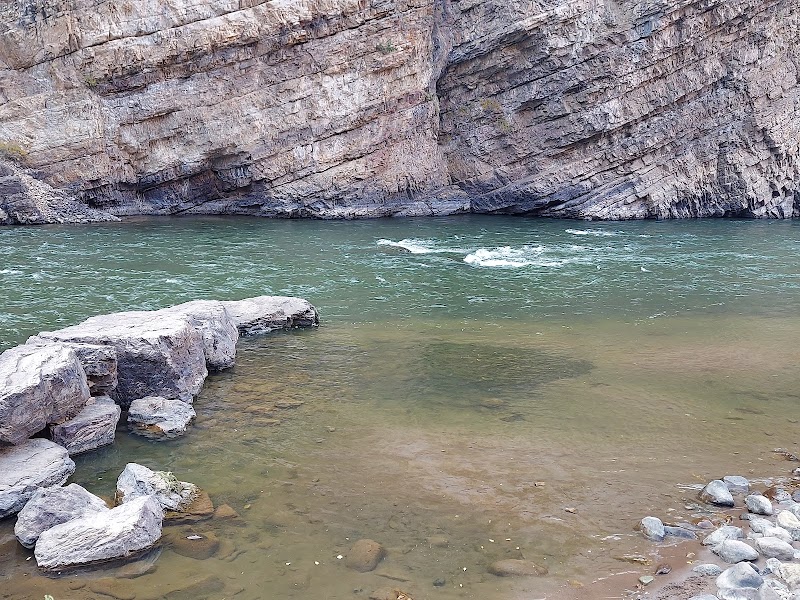
Discover the thrill of kayaking through Wyoming's iconic Red Canyon on a 5-hour guided adventure. Immerse yourself in stunning scenery, wild west history, and unforgettable wildlife encounters on this exciting trip.
Whitewater rafting demands more than just courage and a paddle. Catching the right conditions means engaging with a river that’s alive, pushing and pulling relentlessly. Timing is your most valuable tool—knowing when the river dares you the most and when it calms to reveal its true character.
Spring runoff is the adrenaline rush window. Snowmelt swells rivers with increased volume and speed, turning gentle streams into roaring forces. This surge typically happens from late April through June, depending on your region’s elevation and snowpack levels. Expect powerful currents and bigger waves that test skill and respect, but also open access to challenging Class IV or V rapids generally inaccessible in dryer months.
By summer, water levels usually drop, and rivers soften their edge. This season suits beginners or those seeking longer excursions rather than maximum thrill. The currents here still push forward with confidence, but the river offers breathers between the bursts. Think of it as a steady partner easing you through the journey rather than a fierce competitor. Warm air temps make hydration critical; clear skies invite long days and early launches.
Fall waters often mimic summer’s rhythm, sometimes dipping lower in areas dependent on rain rather than snowmelt. Cooler mornings and fleeting golden light give your raft an entirely different personality—reflective, rhythmic, and intimate. Watch for rising leaf debris and cooler water temps that can sap energy faster if unprepared.
Winter rafting is rare but not impossible in some locations, especially in the Pacific Northwest. Rivers slow and chill, showing a more private side that’s less about racing and more about navigating slick, sometimes icy obstacles. Safety becomes paramount here as hypothermia risks rise.
When planning, check recent precipitation, snowpack reports, and real-time river gauges. Rivers speak through these numbers—ignore them at your peril. Early morning launches frequently find calmer winds and less sun glare for better visibility and safety.
Aim for river stretches matching your skill level; some rapids transform drastically across seasons. Flow rates above recommended thresholds aren’t just hard—they can be dangerous. No adrenaline rush is worth underestimating the river’s force.
Footwear that grips wet rocks and quick-dry clothing matter in managing unexpected riverbed encounters and splashes. Waterproof bags or dry boxes for essentials save your gear from becoming river debris. Always pack a personal flotation device and helmet—even the calmest days can surprise.
Recognize that the river is fiercely itself: unpredictable, powerful, but inviting when approached with knowledge and care. Timing your trip to harness nature’s rhythm brings not only safety but the fullest taste of the river’s challenge and beauty. This is whitewater rafting’s quiet truth: the best runs come when you meet the current halfway.
Nearby Trips
All Adventures
Boat Charters
Water Activities
Adventures near Glenwood Springs
Discover the unique and memorable adventures that make Glenwood Springs special.
Frequently Asked Questions
When is the best time of day to start a whitewater rafting trip?
Early morning launches are ideal because winds are usually calmer, improving water surface conditions and visibility. Cooler temps also help with physical comfort and hydration.
How do I know if river conditions are safe for my skill level?
Check local river gauge readings and compare them with recommended flow ranges for your route. Rapids can become hazardous if flows exceed these limits. Consult professional guides or outfitters if unsure.
What hazards should I watch out for during spring runoff?
Spring runoff brings higher volume and swift currents, increasing the risk of strainers—obstacles like fallen trees—and hydraulics where water recycles rapidly. Cold water also increases hypothermia risk.
Are group rafting trips safer during peak seasons?
Guided groups generally improve safety through coordinated paddling and in-the-moment expert decision-making, particularly when currents are strong or conditions change suddenly.
Can I raft in the winter months around Glenwood Springs?
Winter runs are limited and primarily for experts with specialized gear, due to cold water and potential ice hazards. Many outfitters do not operate in colder months.
What local wildlife might I spot while rafting?
Keep an eye out for osprey diving for fish, river otters playing near banks, and bald eagles soaring overhead, particularly in quieter sections away from traffic.
Recommended Gear
Personal Flotation Device (PFD)
Mandatory safety equipment that keeps you afloat during turbulent passages.
Helmet
Protects your head from rocks and branches, especially essential at higher difficulty levels.
Water Shoes
Provides grip and foot protection when entering, exiting, or walking on rocky riverbeds.
Quick-Dry Clothing
Helps manage moisture and keeps you comfortable during warm-weather runs.
Local Insights
Hidden Gems
- "Hazard Pool – a less crowded rapid renowned for its distinct wave trains"
- "Book Cliffs viewpoint – overlooks a sweeping stretch of the Colorado River with dramatic rock formations"
Wildlife
- "American dippers hunting underwater insects"
- "River otters and their playful antics"
- "Occasional sightings of elusive mountain lions near riverbanks"
History
"The Colorado River near Glenwood Springs has been a vital corridor for centuries, used by Native American tribes and later by miners and settlers. Its canyons hold archaeological sites that speak to early river-based lifestyles."