Escape to a cozy Alaskan cabin retreat designed for up to four guests, where rugged wilderness meets smart comfort. This guide provides practical gear and comfort tips to help you plan an immersive yet manageable adventure just outside Girdwood’s doorstep.
Pack Layered Clothing for Rapid Weather Changes
Alaskan weather can shift quickly, so bring moisture-wicking base layers, insulating mid-layers, and waterproof outerwear to stay comfortable during hikes and cabin downtime.
Use Water Purification Methods
Natural water sources are often abundant but untreated—carry a filter or purification tablets to ensure safe hydration during your stay.
Carry Reliable Navigation Tools
Cell service can be spotty near remote cabins. Bring printed maps and a compass to navigate local trails safely.
Manage Food Storage to Avoid Wildlife Encounters
Store food away from sleeping areas and keep camp clean to minimize bear activity around your cabin.
Essentials for Cozy Cabin Stays in Alaska: Gear and Comfort Tips for Up to Four Guests

Willow Camping Cabin
Sleeps up to 4 people!
Discover the ultimate fishing escape with the Willow Camping Cabin near Seward. Enjoy private water access, stunning surroundings, and expert guidance for an unforgettable Alaskan adventure.
Your trip to an Alaskan cabin—whether perched near a rushing river or tucked against spruce and birch—invites a kind of adventure defined by quiet resilience and practical comfort. These cabins, often simple wood structures with a wood stove or propane heater, become your base camp for exploring vast, rugged wilderness. Planning to share this retreat with up to four guests means balancing gear, food supplies, and creature comforts carefully to keep the group cozy without clutter.
Start with layering: Alaska’s weather shifts rapidly, especially outside summer. Base layers that wick moisture, an insulating mid-layer, and a waterproof outer shell are essentials to stay dry and warm whether you’re chopping firewood or exploring nearby trails. For footwear, waterproof boots with good tread handle uneven terrain and muddy forest floors well. Expect forested hike options ranging from a few miles to 8-10 miles roundtrip, with gentle elevation gains between 500-1200 feet, often on soft mossy ground that invites careful steps.
Inside the cabin, efficiency is your friend. Compact sleeping bags rated for near freezing keep everyone snug, while sleeping pads add comfort against the cold, hard floor or rustic beds. Bring your own pillows and a small flashlight or headlamp—it’s amazing how deep the Alaskan night can get, even in summer months. Seating is often limited, so consider lightweight camp chairs if you want to settle around a fire pit outside, where the air smells of pine and cold river water dares you to relax.
Cooking gear should lean on durability and simplicity. A two-burner propane stove with backup canisters covers most meals. Pick meals that require minimal fresh ingredients; dried beans, rice, and canned fish sustain energy well. Hydration needs are high, especially if you’re hiking—carry water filters or purification tablets for any untreated water sources.
Plan your arrival in daylight and assume less cell service or connectivity. A printed map and compass remain reliable allies, even if you bring GPS gear. Familiarize yourself with bear safety—storing food away from sleeping areas and keeping a clean camp reduce wildlife encounters.
This cabin adventure isn’t about conquering the land but moving respectfully within it. The moss, the trees, and the cold winds all ask for your attention and preparation. Arriving equipped with the right gear and comfort know-how means you spend less energy managing logistics and more time soaking in the fierce, quiet wildness only Alaska delivers.
Nearby Trips
All Adventures
Boat Charters
Water Activities
Adventures near Girdwood
Discover the unique and memorable adventures that make Girdwood special.
Frequently Asked Questions
How do I prepare for limited cell service at the cabin?
Expect spotty or no cell service. Download offline maps, carry a physical map and compass, and inform someone of your travel plans before heading in.
What wildlife should I be aware of around Alaskan cabins?
Bears, moose, and wolves are common. Keep food sealed and stored safely, maintain a clean camp, and make noise while hiking to alert animals of your presence.
Are there firewood supplies at the cabin, or should I bring my own?
Most cabins provide firewood, but it’s wise to confirm beforehand. Bringing a lightweight hatchet and some fire starters can help if wood is damp or scarce.
Can I fish near these cabin retreats?
Yes, many cabins are near streams or lakes with healthy fish populations. Make sure to have the proper fishing license and follow local regulations.
What are the best ways to stay warm inside a rustic cabin?
Layer your clothing, use insulated sleeping bags, keep a fire going if safe and permitted, and bring extra blankets or liners for added warmth.
Is electricity commonly available in these cabins?
Most remote cabins lack grid power. Expect propane lanterns, wood stoves for heat, and portable battery packs for your electronics.
Recommended Gear
Waterproof Hiking Boots
Protect your feet on wet, uneven terrain with sturdy boots that offer both grip and weather resistance.
Compact Sleeping Bag Rated for 20°F
Keep warm inside the cabin’s rustic beds and during chilly nights with an insulated sleeping bag suited for near-freezing temperatures.
Portable Water Filter
Access clean drinking water from local streams or rivers as a backup to stored supplies.
Headlamp with Extra Batteries
Night falls early in many seasons, and power outages may occur, making hands-free light essential for safety and convenience.
Local Insights
Hidden Gems
- "A quiet overlook east of the cabin offers panoramic views of the Turnagain Arm at sunset"
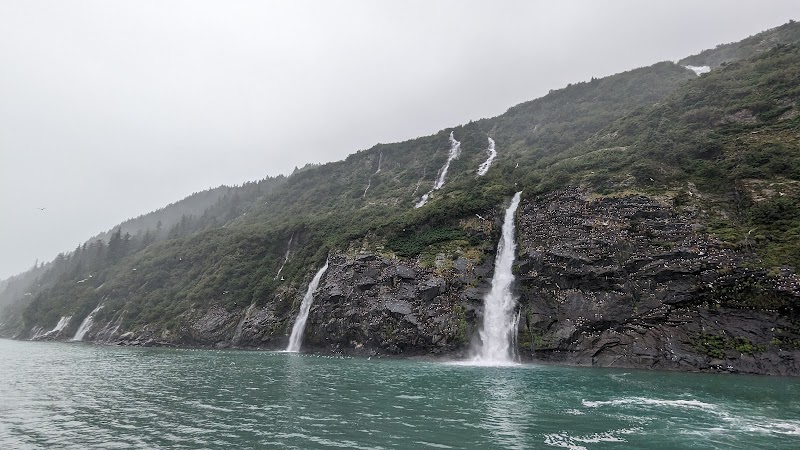
- "A small hidden waterfall trailside within a half-mile hike provides a tranquil rest spot"
Wildlife
- "Black bears patrol the area, especially in summer"
- "Moose frequently visit nearby wetlands in early spring"
History
"Many Alaskan cabins in the region began as miners’ shelters or fishing outposts dating back to early 1900s, offering a glimpse into the rugged pioneer spirit of the area."