
Capturing the Thrill: Photographing Your Inshore Cayman Fishing Experience Responsibly
Experience the vibrant inshore fishing grounds of the Cayman Islands while capturing thrilling photographs that honor the marine environment. This guide offers practical tips for responsible fishing photography, helping anglers and shutterbugs combine passion with protection.
Use Polarizing Filters
Cut through surface glare to reveal underwater wildlife and vibrant colors for sharper, clearer photos.
Respect Marine Life
Keep a safe distance when photographing fish to avoid startling them and disrupting their natural behavior.
Plan Around Tides
Tide changes affect water clarity and fish activity – shoot during low or incoming tides for optimal visibility.
Pack Waterproof Gear
Protect your camera and phone with waterproof cases or dry bags to prevent saltwater damage.
Capturing the Thrill: Photographing Your Inshore Cayman Fishing Experience Responsibly

246 Robalo Inshore Full Day Charter
Starting at $798 • 8 Hours • All Ages • Up to 4 People
Discover the thrill of inshore fishing in Florida with the 246 Robalo Full Day Charter in Palmetto. Perfect for anglers of all levels, this private trip offers personalized guidance and plenty of opportunities to catch local fish species. Dive into a day of adventure on Tampa Bay’s beautiful waters!
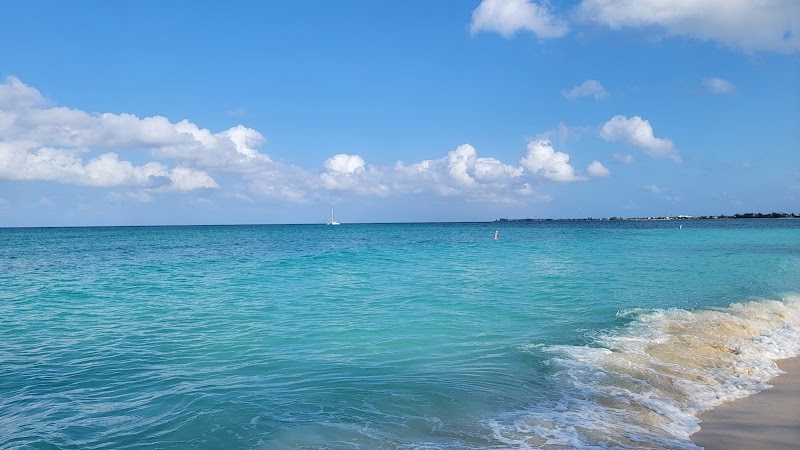
The shallow turquoise waters of the Cayman Islands invite you to a fishing adventure where salt and sun mix with opportunity. Inshore fishing here isn't just about the catch—it's about engaging with a marine world that’s brimming with life and character, from darting tarpon to the patient bonefish skimming over sandy flats. Your camera becomes more than a tool; it’s the link between an instant in motion and the digital memory that lasts.
Approaching this adventure with respect and responsibility means balancing your excitement with mindfulness toward the fragile ecosystem. Start with preparation: waterproof and quick-access camera gear lets you pivot between casting your line and framing the perfect shot without missing a beat. Polarizing lenses cut glare and reveal the underwater dance of shadows and fish, making your images pop.
The flats themselves challenge and invite you. Shallow waters push against your wading boots, and tides become a rhythm to respect; they shift the stage daily, revealing new pockets of life and light. Learn the local tides and plan your shoot around them—early mornings and late afternoons provide softer, more cinematic light, with a hint of golden glow that respects the natural palette of the Caribbean.
Ethics in action means limiting disturbance. Approach fish calmly; sudden moves scatter your subjects, breaking more than just the water’s surface. Avoid stepping on fragile coral heads or stirring sediment that clouds visibility. Each photo session is a respectful conversation with nature, not a chase. Remember, the fish and habitats you admire are fiercely themselves—wild, watchful, and worthy of patience.
Think beyond the cast and catch. Shots of your boat skimming the coral edge, the interaction of angler and sea, and the ever-changing sky provide context and story to the adventure. Environmental responsibility also extends to post-trip: share your photos with notes on conservation, encouraging others to protect these rich waters for future adventures.
Inshore fishing in the Cayman Islands is an interplay of skill, nature’s subtle signals, and preparedness. Capture it with an eye for detail and a heart tuned to the ecosystem’s pulse—this is how moments become memories, respected and lasting.
Nearby Trips
All Adventures
Boat Charters
Water Activities
Adventures near George Town
Discover the unique and memorable adventures that make George Town special.
Frequently Asked Questions
What’s the best time of day to photograph inshore fishing in the Cayman Islands?
Early morning and late afternoon offer the best natural light, with soft golden tones that avoid harsh shadows while highlighting water clarity and fish behavior.
Are there any regulations for photographing wildlife while fishing here?
While no specific photography laws apply, it’s crucial to follow wildlife protection and catch-and-release fishing guidelines to avoid disturbing habitats or stressing fish.
Can I wade while taking photos, or is it better to shoot from the boat?
Both options have merits: wading provides intimate, ground-level angles, while boating offers broader perspectives and easier mobility; your skill and safety considerations should guide the choice.
Is drone photography allowed during fishing excursions?
Drone use is regulated in the Cayman Islands; permits are usually required, and flying near wildlife must be done responsibly to avoid disturbance.
What species are most photogenic while inshore fishing here?
Look for bonefish with their sleek bodies, tarpon’s silver flashes, and permit cruising slowly over sand flats. Birdlife like frigatebirds and herons also add dynamic subjects.
How can I minimize environmental impact while photographing and fishing?
Avoid walking on coral reefs, minimize noise and sudden movements, use catch-and-release methods, and always pack out all trash and gear, leaving the ecosystem undisturbed.
Recommended Gear
Polarizing Filter
Reduces glare and enhances colors underwater, crucial for vibrant fishing and water shots.
Waterproof Camera Case
Protects gear from salt spray and splashes, especially during wetter, stormier months.
Lightweight Wading Boots
Provides traction on slippery reefs and comfort for extended time standing in shallow waters.
Sun Protection (Hat & Sunscreen)
Vital for preventing sunburn during long hours on open water and reflective flats.
Local Insights
Hidden Gems
- "The secluded mangrove-lined creeks on North Sound offer quiet refuge and unique photo ops of juvenile fish and shoreline birds."
- "Cemetery Beach provides unexpected vantage points for sunrise fishing scenes rarely crowded by tour groups."
Wildlife
- "Juvenile tarpon often patrol the shallowest flats at dawn, displaying curious behaviors perfect for slow-motion captures."
- "Highly territorial bonefish sometimes circle back near the wading angler, offering a close approach if you remain still."
History
"Inshore fishing has been part of Cayman culture for generations, initially a subsistence practice evolving into a world-class sport. Many local guides share stories linking modern technique with ancestral knowledge of tides and fish habits."