The waterfalls of Yellowstone’s Grand Canyon surge with life and energy in late spring and early summer, offering both thrilling sights and rewarding hikes. Planning your visit with the right timing and gear turns these powerful cascades from a glimpse into an immersive adventure worth every step.
Start Early to Avoid Crowds
Begin hikes before 8 a.m. to enjoy cooler air, better lighting for photos, and quieter trails around the waterfalls.
Wear Sturdy Footwear
Trails near waterfalls can be slippery and rocky; boots with good traction reduce risk and increase comfort.
Hydrate and Pack Water
Bring at least 2 liters of water per person, especially if hiking during warmer months when exertion and sun exposure rise.
Prepare for Variable Weather
Layer clothes and carry a windbreaker; the canyon microclimate shifts quickly between shade and open points.
Perfect Timing to Experience Yellowstone’s Waterfalls from the Grand Canyon Trail

Yellowstone Wildlife & Scenic Day Private Tour
For all ages! • 10-12 Hours • April - October!
Dive into Yellowstone's wild side with a private tour led by expert guides. From stunning canyon vistas to abundant wildlife, this full-day adventure offers a personalized connection to one of America's greatest national parks.
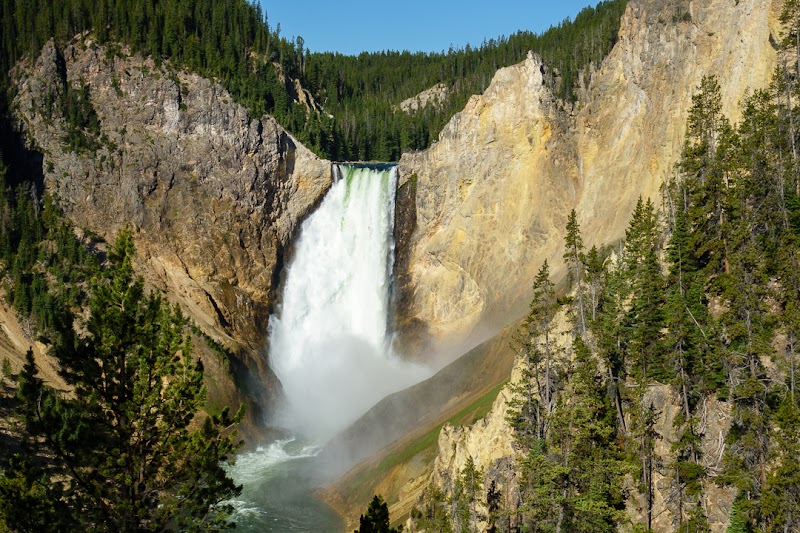
Yellowstone’s Grand Canyon is a dynamic classroom of geology and rushing water, where waterfalls punctuate the canyon like pulse points of nature’s energy. For visitors aiming to witness these cascades at their peak, timing and preparation are crucial. The best periods to experience the waterfalls—from the thunderous Lower Falls to the more secluded Mystic Falls—lie during late spring and early summer as snowmelt swells the rivers and feeds these waterways.
Start by considering the trail system: the South Rim Trail and North Rim Trail offer varied views of the canyon and its waterfalls. The South Rim Trail, about 6 miles round-trip with moderate elevation changes around 900 feet, features multiple lookout points like Artist Point and Uncle Tom’s Trail. Uncle Tom’s Trail is a brief but steep descent to a lower vantage point, where you get closer to the Lower Falls’ misty roar. The terrain covers a mix of hardened trail, wooden staircases, and rocky paths—a solid pair of hiking boots with good grip is essential.
In contrast, Mystic Falls is accessed via a 3.8-mile trek starting at Fairy Falls Trailhead. This route invites a more solitary encounter with the forest, as the river dares you to follow its winding course through lodgepoles and pines. The elevation gain is minimal but expect loose gravel and muddy patches early in the season.
Waterfalls here are fierce and full-bodied from May to early June. By mid-summer, flow lessens, offering quieter but less dramatic views. Early autumn lends golden hues framing the falls, but cooler weather and shorter daylight require an earlier start. Winter closes many trails with snow, transforming the canyon into a silent, icy realm better suited for snowshoeing or guided winter tours.
Hydration and timing your hike for early morning are key to beating crowds and ensuring safe footing on damp trails. Bring layers as temperatures shift quickly between shaded canyon walls and exposed points. The valley’s wind can pick up unexpectedly; a windbreaker can be as vital as sturdy shoes.
This is not just a walk but an engagement with landscape stubbornly unnatural and untamed. Water and rock contest their place in a canyon fiercely itself—ready to test your endurance and reward your focus with views few other hikes provide.
Nearby Trips
All Adventures
Boat Charters
Water Activities
Adventures near Gardiner
Discover the unique and memorable adventures that make Gardiner special.
Frequently Asked Questions
When is the best time to see Yellowstone’s waterfalls at full flow?
Late spring to early summer, typically May through June, is ideal because snowmelt swells the rivers feeding the falls. This timing offers the most powerful and dramatic waterfall displays.
Are the trails to the waterfalls suitable for casual hikers?
Yes, but with some caveats. The main canyon rim trails are well-maintained and suited for most hikers in moderate shape. Steeper paths like Uncle Tom’s Trail require good fitness and careful footing due to many stairs.
What wildlife might I encounter near the waterfalls?
Expect to see deer, elk, and a variety of birds, including osprey and peregrine falcons nesting near the cliff edges. Bears occasionally traverse these regions, so stay alert and make noise on the trails.
Can I access the waterfalls during winter?
Vehicle access is limited due to snow, and many trails close or become hazardous. Winter snowshoeing or guided tours are alternatives but require advanced preparation and gear.
Are there lesser-known viewpoints for waterfall photography?
Yes. Crevice Point on the South Rim Trail offers an intimate overlook with fewer crowds and a unique angle on the Lower Falls, especially during morning light.
How can I minimize my environmental impact visiting these sites?
Stay on designated trails to protect erosion-prone canyon edges, carry out all trash, and avoid feeding or approaching wildlife. Respect seasonal closures designed to protect delicate habitats.
Recommended Gear
Hiking Boots
Provides stability and grip on rocky, potentially slippery trails especially near waterfalls.
Water Bottle or Hydration Pack
Staying hydrated is critical given the physical effort and sun exposure during warmer months.
Windbreaker or Light Rain Jacket
Protects against sudden shifts in weather and canyon winds that can chill quickly.
Camera or Smartphone with Good Zoom
Capture the dramatic waterfall drops, forested trails, and sweeping canyon views.
Local Insights
Hidden Gems
- "Crevice Point, a quiet viewpoint below the main rim overlooks."
- "The less traveled North Rim Trail for peaceful canyon perspectives."
Wildlife
- "Bighorn sheep often spotted on rocky outcrops."
- "Peregrine falcons nesting near waterfall cliffs."
History
"The Grand Canyon of Yellowstone has long been a landmark for Native American tribes and the early park explorers. It was one of the first iconic features mapped and described during 19th-century expeditions."