Maximizing Ski Bike Comfort and Safety on Colorado Slopes
Ski biking on Colorado’s slopes delivers a refreshing blend of speed and control through demanding mountain terrain. This guide equips adventurers with practical tips to boost comfort and safety amid the state’s ever-changing snow and rugged elevation drops.
Adjust Bike Fit Before Riding
Ensure your ski bike’s seat height and handlebar position align with your body to prevent strain on knees and back during steep descents.
Layer Smartly for Variable Weather
Use moisture-wicking base layers and windproof outer shells to stay comfortable as mountain weather shifts rapidly.
Hydrate Even in Cold
Altitude and cold air dry you out quickly; carry insulated bottles and drink small amounts frequently to maintain hydration.
Check Snow Conditions Early
Late mornings offer better snow consolidation and visibility, lowering risk on ice patches or powder drifts.
Maximizing Ski Bike Comfort and Safety on Colorado Slopes

Steamboat Springs
Daily Rental • No Experience Necessary
Discover a new way to enjoy Colorado’s mountain slopes with OneUp Sportz’s ski bikes. Perfect for all skill levels, this activity turns winter adventure into a smooth, fun ride for everyone. Read on to see why this is a must-try experience in Copper.
Colorado’s slopes challenge you with icy breath and steep descents, a playground fiercely itself. Ski biking blends the rush of downhill skiing with the control of cycling, but mastering comfort and safety here takes more than just enthusiasm. Elevations often soar above 9,000 feet, where thin air sharpens senses and terrain alternates between hard-packed snow and powder pockets that dare the unprepared. A typical ski bike route at resorts like Copper Mountain or Winter Park can span 4-7 miles with elevation drops of 1,000 to 2,000 feet, cycling you through forested stretches and exposed ridgelines that push your balance and stamina.
To optimize your ride, start with gear that embraces the mountain’s mood. Layering is essential: moisture-wicking base layers keep skin dry, while insulated yet breathable outerwear shields you from swirling snow and biting winds. Fit and posture adjustments on your ski bike should prioritize spine alignment and knee comfort — the mountain’s sudden turns and uneven patches don’t forgive slack. Use high-quality knee and wrist guards; they aren’t just extras but a frontline defense when the slope challenges your nerve.
Hydration matters more here than on flat terrain. The altitude fuels quicker dehydration, and the cold masks thirst signals. Carry insulated water bottles and sip regularly. Timing your runs in the late morning to early afternoon capitalizes on consolidated snow, reducing icy patches, and grants you the most balanced light for reading the slope’s subtle textures.
Pre-ride preparation includes a thorough check: tires inflated to recommended pressure to keep traction firm but forgiving; brakes fully responsive for sudden stops; and bindings calibrated for smooth entry and release. Remember, Colorado’s slopes are never passive — they push, pull, and respond to every maneuver. Respect this interaction, and your ski bike becomes an extension of your instincts.
Comfort on the bike also means anticipating painful cold spots. Toe and finger warmers tucked inside gloves and boots stave off frostbite and numbness that dull control swiftly. Foot positioning on pedals matters, so experiment until you find a stance that avoids cramping on long descents or steep climbs.
Safety extends beyond equipment. Know the run difficulty ratings and choose paths within your skill range; steep Colorado slopes can turn sharp without warning. Mountain weather shifts fast; carry a compact emergency kit including a thermal blanket and signaling tools. A local trail map app downloaded offline ensures navigation stays within bounds, avoiding unexpected drops or avalanche-prone areas.
Ski biking here isn’t just movement down a hill — it’s an engagement with an environment that is raw, exacting, and endlessly attentive to your choices. When you optimize comfort and safety, you don’t just ride—you converse with a wild, restless force that rewards preparation and respect with exhilarating, unforgettable descents.
Nearby Trips
All Adventures
Boat Charters
Water Activities
Adventures near Frisco
Discover the unique and memorable adventures that make Frisco special.
Frequently Asked Questions
What essential techniques should I learn before ski biking Colorado slopes?
Mastering balance shifts and controlled braking are crucial when riding steep, icy runs. Practice steering with your legs and torso and get comfortable with the bike’s response to lateral forces before heading into challenging terrain.
How do I safely navigate changing snow conditions during a ski bike run?
Observe snow texture and color changes closely. Hard-packed snow requires softer maneuvers, while powder calls for wider arcs. Adjust speed and stance accordingly to maintain control and avoid falls.
Are there any altitude considerations to prepare for around Frisco, Colorado?
Yes, the area sits above 9,000 feet, which can cause dehydration and fatigue faster. Acclimate by spending a day at elevation, drink plenty of fluids, and pace yourself to prevent altitude sickness.
What local wildlife might I encounter while ski biking in this area?
Look out for elk and mule deer, often visible along treelines. Lighting shifts make mid-morning and late afternoon ideal for sightings, but keep a respectful distance to avoid startling them.
How can I avoid common injuries on ski bikes in Colorado’s winter conditions?
Wear protective gear, maintain your equipment meticulously, and keep your body mechanics aligned. Avoid overly aggressive turns on icy spots and always ride within your ability especially when fatigued.
Are avalanche risks significant for ski bikers on Colorado slopes?
They can be, especially after fresh heavy snow or warming trends. Check local avalanche forecasts daily, avoid steep open slopes prone to slides, and consider carrying safety gear like a beacon if venturing off groomed trails.
Recommended Gear
Insulated Ski Gloves
Protect fingers from frostbite while maintaining grip and dexterity on handlebars.
Adjustable Helmet
A well-fitting helmet with warmth and ventilation safeguards during crash risks on icy terrain.
Moisture-Wicking Base Layer
Keeps skin dry, reducing chill from sweat during intense downhill efforts.
Water-Resistant Goggles
Shields eyes from blowing snow, glare, and cold wind for clear vision on the slopes.
Local Insights
Hidden Gems
- "The seldom-visited North Slopes at Keystone provide smoother terrain and fewer crowds, perfect for tuning riding technique."
- "A quiet ridge above Copper Mountain offers an unexpected overlook of the Gore Range, rewarding patience with stunning, expansive views."
Wildlife
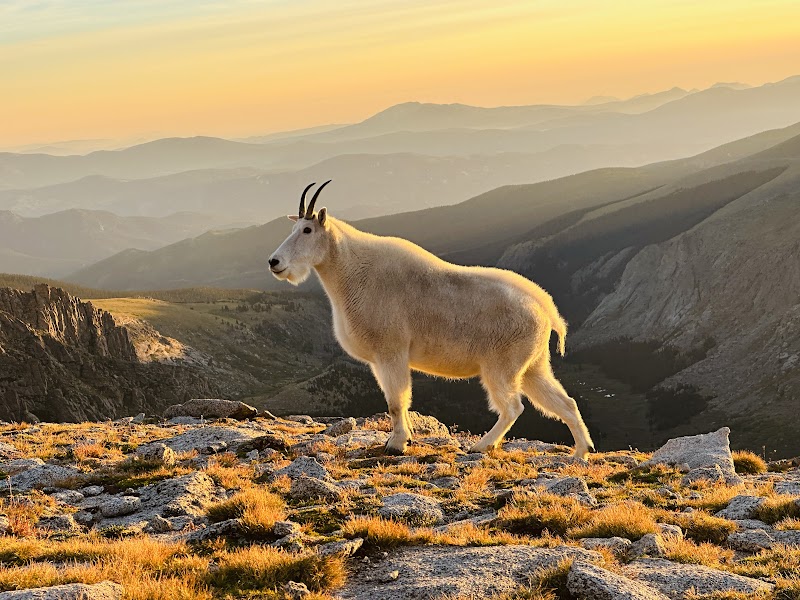
- "Mountain goats often browse rocky outcrops near tree lines, graceful but capable of sudden leaps."
- "Snowshoe hares adapt their coats from brown to white, signaling seasonal shifts in the mountain environment."
History
"The Frisco area traces roots to 19th-century silver mining, with remnants of mining cabins and equipment scattered along forest roads that today form the backdrop of winter adventures."