Navigating Safety on Florida’s Inshore Reef and Wreck Fishing Adventures
Florida’s inshore reefs and wrecks offer thrilling fishing opportunities amid vibrant marine life. Balancing excitement with safety, this guide equips anglers to approach these dynamic habitats with the respect and preparation essential for a rewarding and secure experience.
Prioritize Reliable Navigation Tools
Use GPS and depth finders to safely locate reefs and wrecks, avoiding shallow hazards and ensuring precise anchoring.
Monitor Weather Conditions Closely
Check radar forecasts before and during your trip, since sudden storms can roll in quickly, especially in summer months.
Choose Anchoring Spots Carefully
Anchor on sandy patches near reefs to avoid damaging coral and stabilize your boat against shifting tides and currents.
Wear Non-Slip Footwear
Ensure firm footing aboard your vessel when handling gear or reacting to boat movement for safety and comfort.
Navigating Safety on Florida’s Inshore Reef and Wreck Fishing Adventures

3/4 Day Inshore Fishing
All ages • 6 Hours • Up to 6 people
Join TNT Charters for a 6-hour inshore fishing trip in Little Torch Key, chasing snapper and grouper around reefs and wrecks. All gear provided—just bring your sun protection and snacks for a day packed with marine adventure.
Florida’s turquoise waters harbor some of the most exciting inshore reef and wreck fishing experiences in the continental U.S. The appeal is clear: patches of reef and sunken vessels become underwater cities bustling with snappers, grouper, amberjack, and a host of other game fish. But these fishing grounds are forces fiercely themselves — energetic currents, shallow reefs, and sudden weather shifts demand respect and careful preparation. Approaching a wreck or reef should be more negotiation than conquest, balancing thrill with caution.
Start by knowing the lay of the water. Inshore reefs often sit within a few miles off the coast, accessible from cities like Fort Pierce or Palm Beach. Many wrecks lie in relatively shallow depths (20-60 feet), which means boat control is essential: the reefs dare you to navigate their coral spires without damage to your gear or the ecosystem.
Safety begins with gear—reliable GPS, depth finders, and communication devices are non-negotiable. The ocean’s currents can push unexpectedly, tempting unwary anglers to drift into hazards. Life jackets should always be on board and easily accessible. Florida’s weather, especially in summer months, comes loaded with sudden thunderstorms, so check forecasts meticulously before departure and be ready to pull anchor and head back if conditions darken.
Anchoring near reefs and wrecks requires specific technique. Avoid dropping heavy anchors right on living coral; instead, use sand patches nearby and ensure your boat is stable to prevent dragging and damaging fragile underwater habitats. Approach slowly—reefs are alive, vibrant, and unforgiving to careless boaters. Tide and wind interplay can shift your boat’s position in minutes, so continuous observation and minor adjustments keep the line taut without snapping.
Fishing tactics here blend patient strategy with practical awareness. Use circle hooks to limit harm if you plan catch and release, and employ barbless hooks where regulations require. Local knowledge will guide your bait and tackle choices — pilchards, squid, or live shrimp suit many species targeting reefs and wrecks.
Be alert to wildlife beyond fish. Manatees occasionally drift by, their calm presence a reminder that these waters support diverse life that should be given space. Also, be cautious of jellyfish blooms or stingrays gliding below. Respect for these neighbors cuts risk and enhances your experience.
When planning your trip, consider early mornings or late afternoons for calmer seas, better light, and cooler conditions. Midday sun heats the deck fiercely, making hydration critical — bring water and sun protection. A sturdy, non-slip deck shoe is advised to keep footing steady during sudden boat movements or when handling gear.
Your adventure on Florida’s reefs and wrecks is a dance with the sea — one that invites preparation, respect for nature’s rules, and a readiness to adapt. Harness the power of knowledge, watch the water’s shifting moods, and this fishing venture will reward you with both safety and satisfaction.
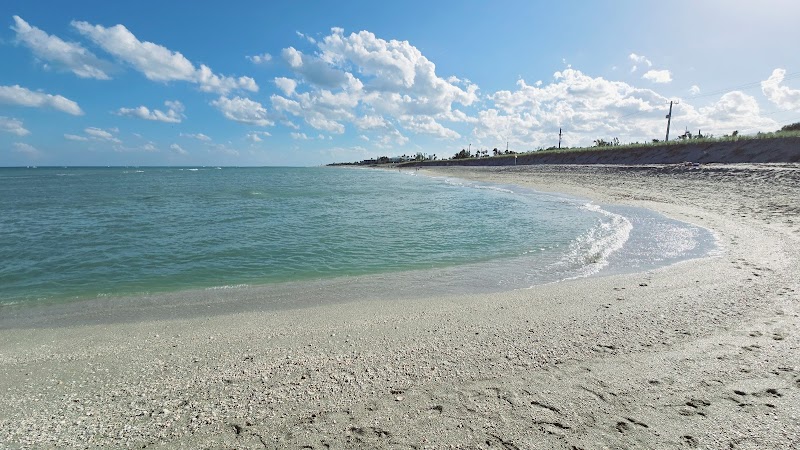
Nearby Trips
All Adventures
Boat Charters
Water Activities
Adventures near Fort Pierce
Discover the unique and memorable adventures that make Fort Pierce special.
Frequently Asked Questions
What are the ideal water depths for targeting reefs and wrecks near Florida’s coast?
Most inshore reefs and wrecks lie between 20 and 60 feet deep, depths accessible by conventional fishing boats and offering rich habitats. Staying aware of exact depths prevents damage to reefs and keeps boats safe from running aground.
How do currents affect fishing near wrecks and reefs in Florida?
Currents can be strong and unpredictable, pushing boats toward reefs or out to deeper water. This continuous movement demands attentive boat handling and careful anchoring to maintain position and avoid drift.
Are there any legal restrictions on fishing gear near Florida’s reefs and wrecks?
Yes, Florida enforces regulations including the use of non-damaging hooks like circle hooks and limits on catch sizes. Barbless hooks are often required to protect fish populations and reduce injury upon catch-and-release.
What wildlife should anglers be aware of besides fish?
Inshore fishing grounds see occasional encounters with manatees, stingrays, and jellyfish, especially in summer. Respecting their space minimizes danger and maintains the health of these species.
What are some lesser-known spots around Fort Pierce for reef and wreck fishing?
Just south of Fort Pierce, the Disney wreck site and surrounding patch reefs are often overlooked yet productive. These areas feature less boat traffic, giving anglers a more peaceful environment.
How do I handle sudden severe weather while on the water?
Always check forecasts before heading out and keep a VHF radio or phone for updates. If storms develop, reduce exposure by heading back to shore immediately or seeking nearby boat ramps or marinas.
Recommended Gear
Marine GPS & Depth Finder
Crucial for locating reefs and wrecks safely and avoiding underwater hazards.
Life Jackets
Always have Coast Guard-approved life jackets readily accessible to ensure safety on open waters.
Non-Slip Deck Shoes
Provides secure footing on wet, unstable surfaces during handling of fishing gear.
Sunscreen and Hydration System
Protect skin from strong sun exposure and stay hydrated to prevent heat-related issues.
Local Insights
Hidden Gems
- "The Blue Heron Bridge near Riviera Beach offers unique inshore wreck and reef fishing with proximity to land."
- "The old freighter wrecks off Fort Pierce provide quiet spots with diverse marine life."
Wildlife
- "Manatees frequent the area during winter months, often visible near warm outflows."
- "Colorful reef fish like grunts, damselfish, and parrotfish coexist with larger predators like amberjack."
History
"Many wrecks visible today are WWII-era freighters and vessels intentionally sunk to create artificial reefs and boost fish populations."