Mastering the Timing: Catching Local Fish on a Full-Day Florida Skiff Rental
Unlock the secrets of Florida’s tidal rhythms to maximize your catch during a full-day skiff rental. From dawn’s early bite to the late afternoon push, understanding timing can transform your fishing adventure into a day of relentless action and discovery.
Check Tide Tables Before Heading Out
Plan your fishing day around incoming and outgoing tides to maximize active feeding periods for local fish species.
Start Early for the Best Action
Arrive before sunrise to take full advantage of the morning feeding frenzy during the incoming tide.
Bring Shade and Hydration
The Florida sun intensifies midday; bring protective clothing, a hat, and plenty of water to stay comfortable and alert.
Utilize Mangrove Channels Midday
Fish retreat to shaded areas during peak sun hours—quietly work the mangroves with lures or live bait for better chances.
Mastering the Timing: Catching Local Fish on a Full-Day Florida Skiff Rental
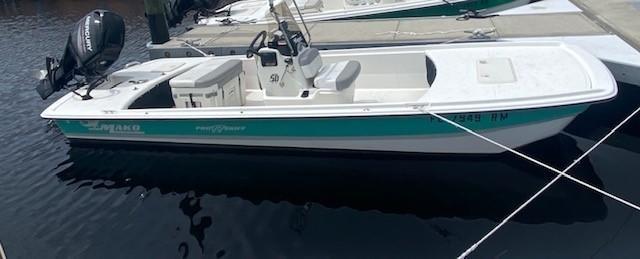
17ft Mako Skiff - Full Day
Mercury 60HP | 3 Guests Max
Discover the thrill of exploring the Florida Everglades on a private full-day boat tour aboard a 17ft Mako Skiff. Perfect for wildlife lovers and adventure seekers, this experience offers personalized access to stunning waterways and native species.
Florida’s shallow waters are alive with movement, currents nudging your skiff toward hidden flats and mangrove-lined channels where fish patrol with purpose. Timing is your secret weapon in this game—when the water shifts with the tides, fish respond with instinctive precision. Plan your full-day skiff rental with an eye on these cycles to outsmart the elusive snook, redfish, and trout waiting beneath the surface.
Morning light spills across the water just as the incoming tide pushes nutrients forward. This transition stirs baitfish and beckons predators from deeper holes into shallow feeding grounds. Arrive early—around sunrise—to catch this surge. Your skiff becomes a silent partner, gliding behind the current, giving you access to spots where fish are actively feeding.
Midday calls for sharper focus. The sun’s height often drives fish into shaded mangroves or deeper channels. Use this time to explore natural cover areas, trolling quietly or working artificial lures with steady, measured retrievals. Keep your pace steady; sudden movements disrupt the water’s conversation with the fish.
Afternoon tides reverse the pattern—the ebb pulls water away from the flats, nudging fish back toward deeper pockets. As the light softens again, fish become opportunistic, feeding before nightfall. This late afternoon window can be your most productive if you’ve paced your day right.
Weather is a partner you must watch. Overcast skies can extend feeding windows, dialing back intense sunlight and keeping fish active longer. Conversely, bright, calm days might shorten peak feeding times but increase visibility for sight fishing.
Ultimately, the perfect fishing day on a Florida skiff isn’t about overpowering the environment; it’s about working alongside the water’s own rhythm. Arrive informed, equipped to adapt, and you’ll turn the tide in your favor, landing fish that are fiercely alive and right where the currents decide to lead them.
Nearby Trips
All Adventures
Boat Charters
Water Activities
Adventures near Fort Myers
Discover the unique and memorable adventures that make Fort Myers special.
Frequently Asked Questions
What are the best tides for fishing on a Florida skiff?
Incoming tides are generally the most productive, as they bring baitfish closer to shallow flats, attracting predators. Plan to start fishing an hour before high tide and continue through the falling tide for best results.
Can I catch fish during the heat of midday?
While many fish seek shade during high sun, focusing on mangrove edges, oyster bars, and deeper channels with your skiff can yield bites. Slow trolling or presenting natural baits near those cooler zones is key.
Is it necessary to have previous boating experience for a skiff rental?
Basic handling skills help, but most rental companies provide orientation. Skiffs are stable and easy to maneuver, making them ideal for first-time boaters with some state boating safety knowledge.
What local species should I target on a full-day fishing trip?
Common targets include snook, redfish, spotted sea trout, and during summer, tarpon. Each species has peak activity tied to tides and seasons, so timing your trip accordingly increases success.
Are there special conservation rules in place?
Yes, Florida enforces catch limits, size restrictions, and seasonal closures for species like snook and redfish. Always check current regulations and practice catch-and-release where recommended to keep populations healthy.
Where are the lesser-known fishing spots near Fort Myers?
Try exploring Lemon Bay or the less trafficked parts of Pine Island Sound. These areas offer quieter waters with rich mangrove habitats where fish retreat from busy flats.
Recommended Gear
Polarized Sunglasses
Cuts glare from the water surface for spotting fish and protects your eyes under the intense Florida sun.
Waterproof Skiff Shoes
Provide grip on wet skiff surfaces and protect feet from sharp objects or marine life.
Portable Cooler with Ice
Keeps drinks and bait fresh throughout long fishing hours under heat.
Sunscreen SPF 50+
Crucial for preventing sunburn during midday stretches in open water.
Local Insights
Hidden Gems
- "The shallow flats behind North Captiva Island offering seclusion and solid redfish runs"
- "Secret oyster bars visible at low tide near Matlacha Pass"
Wildlife
- "Juvenile tarpon schooling near mangrove roots"
- "Bottlenose dolphins often following fishing skiffs in the Gulf"
- "Varied wading birds including herons and egrets stalking shallow waters"
History
"The region around Fort Myers was integral in early Florida’s fishing economy, with local indigenous peoples and settlers relying on abundant coastal fisheries. Remnants of old fishing camps and piers still dot the shoreline."