Timing Beach Activities to Dodge Crowds at Fort Lauderdale Beach
Fort Lauderdale Beach offers pristine waves and soft sands but can get crowded quickly. Learn how to time your visit to avoid peak crowds, maximize your experience, and enjoy this iconic Florida destination with ease.
Hit the Beach Early
Arrive between 7 a.m. and 9 a.m. to enjoy cooler air, quieter sand, and calm waters before crowds arrive.
Stay Hydrated
Bring ample water, especially if visiting mid-morning or afternoon, to stay safe under Florida’s strong sun.
Use Reef-Safe Sunscreen
Protect your skin and the ocean by applying reef-safe sunscreen before and during your time on the beach.
Plan Weekday Visits
Weekdays typically have fewer visitors, creating a more relaxed atmosphere and easier parking options.
Timing Beach Activities to Dodge Crowds at Fort Lauderdale Beach

Cabana #6
Starting at $65 | Booking in Advance Encouraged
Discover the ultimate beachfront retreat with Doctor Jet Ski's oceanfront cabanas at Miami Beach. Perfect for relaxing in style while soaking up spectacular ocean views, these private cabanas put you close to all the action. Read on to see why they're a must-try in South Florida!
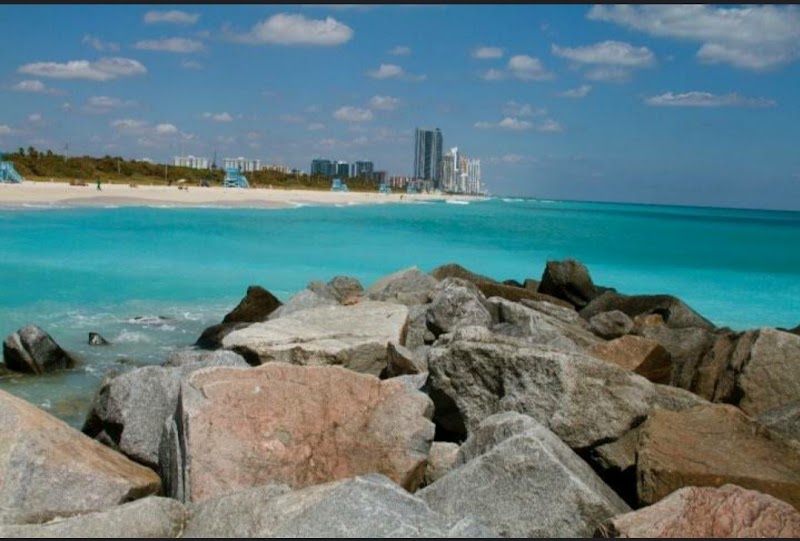
Fort Lauderdale Beach is a siren of sun and surf—its waves beckoning with the steady pulse of the Atlantic pushing in with a confident rhythm. Yet, this stretch of white sand can swell with visitors, transforming from a quiet refuge into a bustling hub. To catch the beach at its most welcoming, timing is everything.
Early mornings are your best bet. As dawn loosens night’s grip, the ocean air sharpens, cool and fresh, and the beach feels like it’s inviting only you. Arrive between 7 a.m. and 9 a.m., when joggers and fishermen hold the sand with gentle footprints and the water pushes in waves daring you to take the first swim of the day. The sun is just gaining strength, lighting the turquoise strides of the ocean without the overwhelming heat or blinding glare that later crowds face.
If mornings don’t fit your schedule, shift to late afternoons after 4 p.m. The frenetic energy of midday winds down, and locals return to the shore. The sun lazily dips westward, casting long shadows where the sand cools beneath your toes. That’s when the beach swells thin out, making space for quieter walks along the waterline or calm paddleboarding before twilight. This period also invites photographers to catch the warm glow drenched over the waves and the silhouettes of skaters and volleyball players dissolving into the twilight.
Avoid peak hours—typically 10 a.m. to 3 p.m.—when sunbathers, tourists, and families converge. Parking becomes a challenge, and popular beachfront cafes echo with crowd noise. The sand’s heat becomes intense and the ocean’s currents stronger, pushing past the comfortable edge for casual swimmers.
Practical preparation is key. Pack water—hydration is your first line of defense against heat and sun. Wear sturdy, water-ready footwear; the sand near rock jetties can be surprisingly sharp or hot at midday. Sunscreen is non-negotiable, applied before you reach the beach and reapplied during longer exposure.
Consider weekday visits. Locals tend to work standard hours, so Monday through Thursday mornings offer the clearest stretch of soft sand and uninterrupted horizon. Summertime weekends are busiest, so planning for early spring or fall visits delivers fewer bodies and a gentler sun.
Fort Lauderdale Beach is fiercely itself—its energy a mix of calm ocean persistence and wild tourist enthusiasm. Respect the tide schedules and weather, and you’ll find your moments of solitude or understated thrill. Rise with the tide or linger after the sun’s peak. Set your watch to beach life’s natural pulse, and Fort Lauderdale will reward you with much more than surface beauty—it offers a dance between nature’s relentless rhythm and your own pace.
Nearby Trips
All Adventures
Boat Charters
Water Activities
Adventures near Fort Lauderdale
Discover the unique and memorable adventures that make Fort Lauderdale special.
Frequently Asked Questions
When is the beach least crowded?
The beach is least crowded early mornings (7–9 a.m.) and late afternoons (after 4 p.m.), especially during weekdays. Avoid weekends and public holidays if you want to beat the crowds.
Are there quieter spots along Fort Lauderdale Beach?
Yes, areas near A1A and Las Olas Boulevard tend to draw bigger crowds, while stretches closer to the north and south ends of the beach see fewer visitors and offer more peaceful experiences.
What wildlife might I encounter?
You can spot shorebirds like sandpipers and pelicans, occasional dolphins offshore, and small crabs darting along the sand. Sea turtles may nest in season, so keep an eye out for protected areas.
Is swimming safe year-round?
Generally yes, though water temperatures cool in winter. Watch for posted signs about currents and jellyfish, and swim near lifeguard stations for added safety.
Are there historical or cultural sites nearby?
Fort Lauderdale has a rich maritime history, with the nearby Bonnet House Museum and Gardens offering insight into early 20th-century life and art connected to the beach area.
What environmental considerations should visitors keep in mind?
Avoid disturbing nesting turtle areas and don’t litter. Use eco-friendly products and respect wildlife habitats to maintain the beach’s natural balance.
Recommended Gear
Water Bottle
Staying hydrated is crucial under Florida’s sun, especially during warmer months.
Reef-Safe Sunscreen
Protects skin without harming marine ecosystems.
Water Shoes
Useful near jetties or rocky areas to protect feet from sharp shells and hot sand.
Wide-Brimmed Hat
Provides extra shade and reduces sun exposure during peak hours.
Local Insights
Hidden Gems
- "The lesser-known north tip near Sunrise Boulevard offers calm waters and fewer crowds."
- "Bonnet House Gardens provide a quiet natural escape just steps from the beach."
Wildlife
- "Seasonal sea turtle nests"
- "Wading birds such as herons and egrets"
- "Dolphins often seen offshore during early morning"
History
"Fort Lauderdale Beach grew as a popular resort destination in the early 1900s, evolving from a quiet fishing town to a vibrant tourism hub, with a deep maritime heritage still visible in local architecture and community events."