Seasonal Shifts and Shoreline Fishing Dynamics near Fort Lauderdale, Florida
Shoreline fishing near Fort Lauderdale transforms with the seasons, offering anglers a constantly evolving challenge along sandy shores and mangrove-lined bays. This guide helps you navigate the changing tides, fish behavior, and weather patterns to plan a successful fishing trip all year round.
Check Local Tide Charts
Tides govern fish feeding zones. Plan excursions around low tides for exposed flats and high tides to access deeper channels near shore.
Use Weather Apps for Storm Alerts
Florida weather changes quickly, especially in summer. Monitor forecasts to avoid dangerous thunderstorms and adjust your schedule accordingly.
Wear Grippy, Waterproof Footwear
Slippery mudflats and shifting sands demand shoes that keep traction and protect against water and sharp objects.
Stay Hydrated
Warm months bring strong sun and humidity. Carry plenty of water and take breaks in shaded spots to prevent dehydration.
Seasonal Shifts and Shoreline Fishing Dynamics near Fort Lauderdale, Florida

3 Hour Fishing Charter
$550 | 3 Hours | Up to 6 Passengers
Spend a relaxing 3 hours fishing near Key West’s harbor, ideal for families and quick adventures. Learn why this shallow-water charter is perfect for all ages and skill levels.
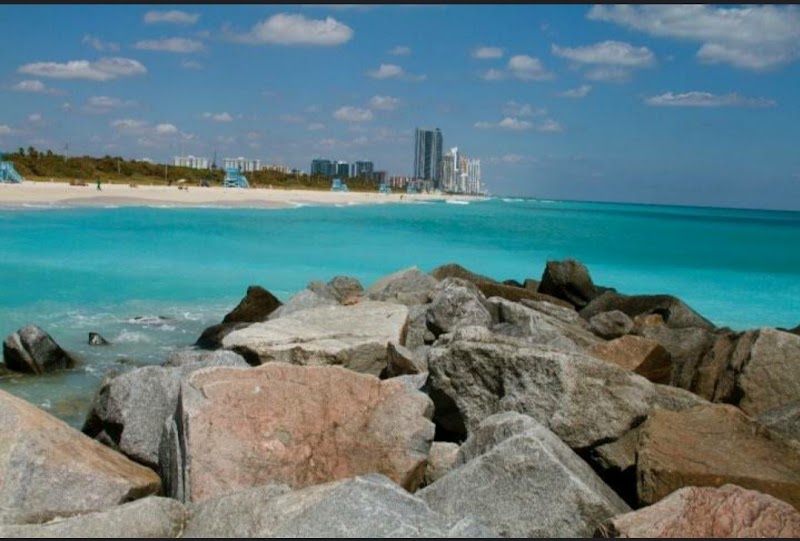
Florida’s shoreline near Fort Lauderdale offers a dynamic playground for anglers, where every season rewrites the rules of fishing along its water’s edge. The shoreline, stretching across sandy points and mangrove-fringed bays, becomes a living landscape that challenges and rewards fishers who adjust with nature’s rhythms.
Spring greets anglers with warming waters that stir baitfish schools closer to shore. Species like snook and redfish start moving into shallower flats, drawn by the influx of smaller prey and the ebbing winter chill. Understanding tidal patterns during this time increases your chances, as fish concentrate near channels and estuaries where currents push nutrients in vibrant pulses.
Summers turn the shoreline into a hotbed of activity, but also of challenges. The water heats up, pushing some game fish offshore or into deeper shaded mangroves. Afternoon thunderstorms become a regular adversary, demanding flexible scheduling. Early mornings or late evenings are prime, when light softens and fish feed actively near submerged structures. Be prepared for quick weather shifts and prepare hydration strategies to stay safe in the humid heat.
Fall's cooling trend transforms the shoreline again. Migrating species such as tarpon begin to cruise, often visible close to shore as they follow baitfish. The water clarity improves after summer storms, sharpening sight fishing opportunities. Winds might pick up, stirring waves that can either unsettle fish or encourage feeding frenzies along the breaks. This season demands quick adaptability and attention to wind direction for setting up the best fishing spots.
Winter near Fort Lauderdale sees the entrance of cooler waters drawn from the north. While some species retreat, others like sheepshead and snook hold tight along mangrove roots and docks. Cooler mornings require layered clothing, but the quiet shoreline offers a focused fishing experience. Less crowded waters and crisper air grant a chance to read the water’s subtle cues and connect more deeply with the environment.
Across all seasons, the shoreline itself is a force to reckon with: shifting sands, fluctuating tides, and the dance of freshwater meets saltwater create constantly changing terrain beneath your feet. Footwear with good grip and waterproofing becomes critical. Hydration is non-negotiable, especially from spring through fall when heat presses hard. Awareness of local wildlife—including defensive stingrays and curious manatees—can keep encounters safe and enjoyable.
For those planning a trip, aim to tie your fishing days to local tide charts and sunrise timings. The low tide often exposes feeding zones, and early light cuts through water clarity, maximizing your chance to spot feeding fish. Keep lures and baits varied, reflecting shifting species through the year—from shrimp and crabs in spring and summer to mullet and small baitfish in fall and winter.
In essence, shoreline fishing near Fort Lauderdale is a seasonal conversation with the environment. It invites you to read the water’s moods, respect its unyielding cycles, and meet each cast with practiced patience. The rewards are not just the fish but the vivid, immediate connection to an ecosystem fiercely alive and forever in motion.
Nearby Trips
All Adventures
Boat Charters
Water Activities
Adventures near Fort Lauderdale
Discover the unique and memorable adventures that make Fort Lauderdale special.
Frequently Asked Questions
What are the best bait choices for each season?
Spring and summer favor live shrimp and small crabs, which mimic natural forage moving nearshore. In fall and winter, baitfish patterns like mullet and silversides tend to work well. Adjust lure color and size accordingly to match local prey.
Are there any safety concerns unique to shoreline fishing here?
Stingrays are common in shallow waters—shuffle feet to alert and avoid stepping on them. Tides can change quickly; always keep track of your position relative to high tide zones to prevent being stranded.
Where can I find less crowded fishing spots near Fort Lauderdale’s shore?
Look for quieter mangrove-lined inlets and wildlife refuges west of the city, such as Secret Woods Nature Center. These areas are rich in structure and attract abundant fish with fewer anglers around.
How do tides influence fishing success here?
Tides dictate where prey congregate. Low tides expose feeding flats making fish more accessible, while incoming tides push baitfish to shore, drawing predators close. Planning your trip around tides greatly increases catch potential.
What wildlife might I encounter while fishing this shoreline?
Besides typical game fish, manatees often grace the area, moving slowly through bays. Birdlife such as herons and ospreys patrol steadily. Presence of marine mammals signals healthy waters but requires respectful distance.
Is shore fishing year-round feasible here?
Yes, but adjustment is key. Every season reshapes fish behavior and conditions. Cold snaps in winter slow activity, but structure-oriented species remain fishable. Summer’s heat and storms are the biggest scheduling obstacles.
Recommended Gear
Waterproof Fishing Shoes
Protect feet from wet sand, rocks, and sharp objects while providing grip on slippery surfaces.
Lightweight Layered Clothing
Keeps anglers comfortable during cool mornings and warm afternoons with breathable layers.
Hydration Pack
Ensures hands-free water supply to stay hydrated under intense humidity and sun.
Polarized Sunglasses
Enhances underwater visibility for spotting fish and protects eyes from glare.
Local Insights
Hidden Gems
- "Quiet mangrove tunnels at Secret Woods"
- "Small sandbars exposed during low tide near Dania Beach"
- "Unmarked docks at Hugh Taylor Birch State Park for snook"
- "Secluded creek mouths favored by juvenile tarpon"
Wildlife
- "West Indian manatees frequent coastal bays"
- "Juvenile tarpon schooling migrates along shore in fall"
- "Blue crabs and fiddler crabs in mangrove mudflats"
- "Wading birds including great egrets and roseate spoonbills"
History
"Fort Lauderdale’s shoreline has long supported fishing communities dating back to early 20th century; indigenous peoples also relied on local waters before development."