
Mastering Timing Strategies for Technical Dives at Scenic Spots Near Fort Lauderdale, Florida
Fort Lauderdale’s coastal waters offer technical divers a dynamic playground of reefs and wrecks powered by currents that demand keen timing. Mastering tidal cycles and daylight windows here can turn a challenging dive into an unforgettable underwater adventure.
Plan Around Slack Tides
Dive during slack tide to avoid battling strong currents; check reliable tide charts specific to Fort Lauderdale before each dive.
Hydrate Before and After Dives
Salt air and exertion cause rapid dehydration, so carry at least two liters of water per dive and consider electrolyte supplements.
Wear Non-Slip Footwear
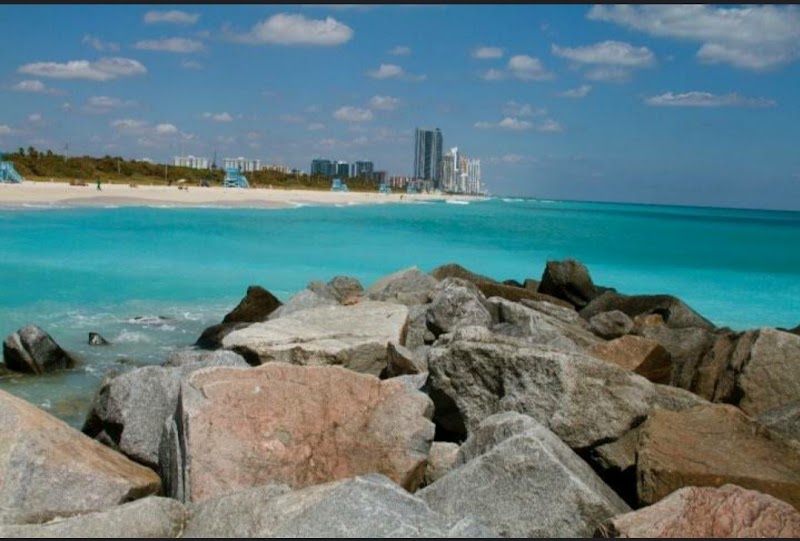
Entry points vary from sandy beaches to algae-covered rocks. Use sturdy water shoes with good grip to prevent slips during shore entries.
Use a Dive Computer
A calibrated dive computer monitors depth and time limits precisely, helping avoid decompression sickness on deep wreck or reef dives.
Mastering Timing Strategies for Technical Dives at Scenic Spots Near Fort Lauderdale, Florida

Adv Nitrox and Deco Procedures
Group Class
Discover an exclusive private fishing experience with advanced Nitrox and Deco Procedures training in Norfolk. Perfect for divers and anglers wanting to improve skills and enjoy Virginia's beautiful waters. Keep reading to find out more about this unique adventure!
Technical diving in the waters near Fort Lauderdale demands both respect and precision. The coastal reefs and wreck sites here are alive with currents that challenge divers and invite them to engage with an environment fiercely itself. Timing your dives to align with tidal flows and daylight windows can mean the difference between a fluid, rewarding underwater expedition and a struggle against nature’s push and pull.
Start your dive planning by targeting early morning hours, roughly between 7 and 10 a.m., when waters tend to be calmer and visibility peaks. Early sunlight penetrates the ocean’s surface, illuminating coral formations and casting long shadows across sunken ships – ideal conditions for navigation and photography. Currents often slacken at this time, effectively easing drift and allowing divers to focus more on exploration than orientation.
Tidal timing is critical. The Gulf Stream brushes the coast of Fort Lauderdale with vigor, stirring currents that can either aid your journey or work against it. Dive entries planned at slack tides – the brief moments between ebb and flow – minimize energy expenditure and reduce risks during both descent and ascent phases. The timing windows here are narrow but crucial: check tide charts carefully and adjust for local wind conditions.
Depth profiles play a practical role as well. Popular sites like the SS Copenhagen wreck rest around 100 feet deep, where nitrogen narcosis and no-decompression limits must be managed cautiously. Dive windows shorten significantly beyond 60 feet, so plan for dives under 40 minutes and always carry the necessary redundant gas systems for safety. Employ dive computers tuned to the site and recalibrate as you descend; these devices become one’s most reliable partner where time, depth, and safety intersect.
Entry points often require brief shoreline hikes from beach access points with terrain ranging from firm sand to rocky outcrops smeared with algae. Ensure durable, water-resistant footwear with good grip. Hydration is non-negotiable — salt air and exertion dry you quickly. Bring at least 2 liters per person, and consider electrolyte supplements.
Finally, adapt your dive times seasonally. Summer’s longer daylight windows offer extended exploration but bring higher water temperatures and occasional afternoon storms. Winter months feature cooler water with better visibility but shorter operational windows and stronger currents. Local dive operators and tide calculators are invaluable allies here.
Through detailed preparation and attentiveness to the natural rhythm of Fort Lauderdale’s seas, divers elevate not only their safety but the quality of their experience. This is a dance with a force that won’t be tamed, but with respect, timing, and the right gear, it rewards those willing to meet it on its terms.
Nearby Trips
All Adventures
Boat Charters
Water Activities
Adventures near Fort Lauderdale
Discover the unique and memorable adventures that make Fort Lauderdale special.
Frequently Asked Questions
What is the best time of day to start a technical dive near Fort Lauderdale?
Early morning dives between 7 and 10 a.m. are ideal due to calmer waters, better visibility, and slack currents, which enhance safety and experience.
How do the Gulf Stream currents affect dives in the Fort Lauderdale area?
The Gulf Stream can introduce strong currents that vary with tidal changes. Planning dives during slack tides minimizes resistance and conserves diver energy.
Are there specific entry points recommended for technical dives in this region?
Beach access points along Hollywood North Beach Park and Dania Beach provide stable entry for technical dives, though some require careful footing on rocks coated with algae.
What are the common hazards divers should prepare for in Fort Lauderdale waters?
Strong currents, variable visibility due to plankton blooms, sudden weather changes in summer, and potential entanglement on wreck sites are primary concerns requiring proper equipment and training.
Do local dive operators offer timing advice or guided technical dives?
Yes, several reputable dive shops in Fort Lauderdale provide updated tide charts, current forecasts, and guided dives tailored to technical divers seeking safe exploration.
Are there environmental regulations divers must observe?
Divers are required to avoid touching reefs or wreck surfaces, refrain from disturbing marine life, and use mooring buoys to protect fragile habitats, maintaining Fort Lauderdale’s underwater ecosystem balance.
Recommended Gear
Dive Computer
Monitors depth, time, and no-decompression limits; critical for managing dive safety in deep, technical dives.
Water Shoes with Non-Slip Soles
Protect feet on rocky or slippery shore entry points, enhancing safety and comfort.
Hydration Pack or Water Bottle
Maintains hydration levels before and after dives, combating salt-air dehydration.
Redundant Air Supply (e.g., Pony Bottle)
Provides an emergency backup during technical dives where decompression stops and extended bottom times increase risk.
Local Insights
Hidden Gems
- "Pompano Dropoff - a lesser-visited reef with abundant coral and fish diversity"
- "The Mini-Wrecks near Dania Beach offering varied dive profiles with fewer crowds"
Wildlife
- "Green sea turtles frequent the reefs in winter and spring"
- "Southern stingrays are common along sandy bottoms"
- "Colorful parrotfish and barracuda patrol the wreck sites"
History
"The SS Copenhagen wreck dates back to World War I and lies about 100 feet underwater; it offers a unique window into maritime history and is a favorite for advanced divers."