Mastering the Timing for Peak Scenic Light Along California's North Coast
California's North Coast offers a rare blend of rugged terrain, shifting light, and natural drama that transforms every hike into a vivid experience. Learn how to time your adventure to catch the coastline’s most striking light and prepare smartly for an unforgettable journey.
Start Early or Late
Plan your hike for early morning or late afternoon to capture the most dramatic and textured light. Avoid midday for photos and views.
Pack Layered Clothing
Temperatures can swing due to fog, coastal winds, and elevation. Carry layers to stay comfortable throughout your hike.
Check Tide and Weather
Many coastal trails link with beaches and unstable shorelines—consult tide charts and forecasts to avoid tricky crossings or wet feet.
Bring Adequate Hydration
Even in cooler seasons, the physical effort and salt air can dehydrate. Carry at least two liters per person.
Mastering the Timing for Peak Scenic Light Along California's North Coast

Private Transportation - Shuttle
Max 11 People | 4 hour minimum | Available 6 AM to Midnight
Discover how California Transportation Services can enhance your Santa Rosa trip with convenient, private shuttle transportation. Perfect for small groups seeking comfort and reliability, their service makes getting around effortless. Read on to learn how this trusted provider can make your outdoor adventures smoother and more enjoyable.
California’s North Coast is an arena where nature refuses to be ordinary. Here, cliffs demand respect, the ocean’s current tests your spirit, and the skies stage a daily show of shifting light that can transform every step of your hike. To catch this coastline in its prime light—whether dawn’s first glow or the angled rays of late afternoon—you need more than good timing; you need an understanding of how the landscape interacts with sunlight and season.
Start with the basics: the coastal stretches from Mendocino to Crescent City offer trails ranging from gentle 3-mile strolls to rugged 15-mile treks climbing 1,500 feet through redwood groves and wildflower patches. Terrain is varied—packed dirt, rocky outcrops, some slick moss depending on recent rains. Footwear with grip and ankle support is non-negotiable.
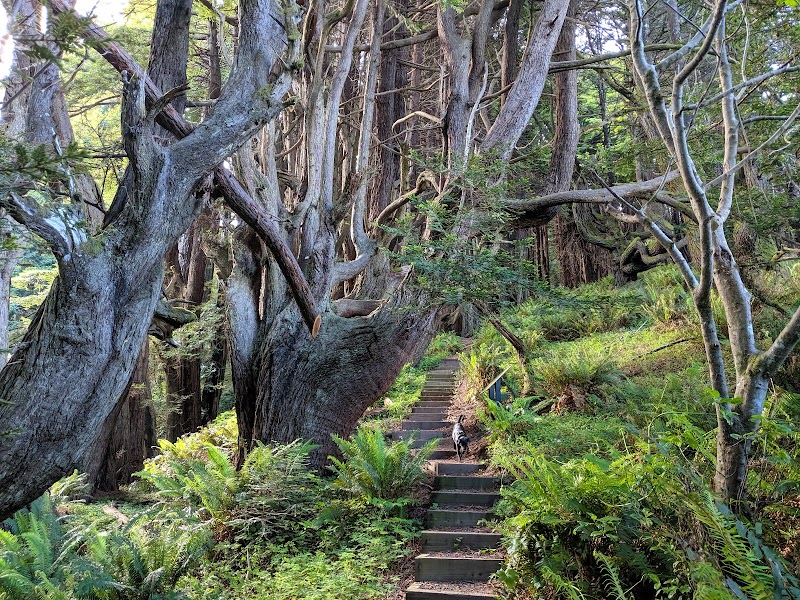
For the optimal scenic light, aim to hike either early morning or late afternoon. Morning mist lingers especially near headlands, where the sun fights to punch through, casting an otherworldly silver-blue hue. Late afternoon sun slides low, igniting the sea and cliffs in warm golds and reds. Midday sun, while brightest, flattens texture and dulls color, making photos and views less dynamic.
Timing also means respecting seasonal cues. Spring and early summer offer longer days and vibrant wildflowers that catch the light, while fall’s lower sun angles extend that golden-hour feeling but bring shorter daylight hours and cooler temps. Winter’s fierce coastal winds push storms ashore often, carving dramatic cloud patterns and sometimes opening clear sky windows for rare, stark light.
On trails like the Lost Coast Trail or the breathtaking Fern Canyon in Prairie Creek Redwoods, plan your approach by checking local sunrise and sunset times, weather forecasts, and tide charts—especially when beaches or stream crossings are involved. Hydration remains crucial year-round; carry at least two liters per person, more if you plan a full-day trek. Layers are vital—coastal fog and mountain wind can chill rapidly.
Keep in mind the natural world around you as an active player: the waves dare you toward the shore’s edge, while the winds urge you uphill where the light best plays patterns through the trees. This is a place fiercely itself, rewarding patience and presence.
Preparing for peak light isn’t about chasing perfect conditions but embracing the interplay of elements that make California’s North Coast distinct. Ready your gear, set your watch, and move with intention—because the light here demands your attention, and it’s worth every calculated step.
Nearby Trips
All Adventures
Boat Charters
Water Activities
Adventures near Fort Bragg
Discover the unique and memorable adventures that make Fort Bragg special.
Frequently Asked Questions
When is the best time to capture the classic golden light along the North Coast?
The golden-hour—about one hour after sunrise and before sunset—offers the most vivid light, especially from fall through spring when the sun sits lower in the sky, creating warm, slanting rays that highlight rugged cliffs and waves.
Are there any hidden viewpoints along the North Coast trails worth seeking out?
Yes, lookout points like Cape Ferrelo’s northwest promontory or unnamed outcrops along the Lost Coast provide less trafficked spots with sweeping views, where light interacts dramatically with the Pacific and coastal forests.
What wildlife might I encounter on these trails?
Expect to see black-tailed deer, Roosevelt elk in forested areas, and seabirds such as pelicans and cormorants. Coastal river otters sometimes make appearances in estuaries, especially near feeding times.
Do tides affect hiking options on the North Coast?
Absolutely. Several beach-connected trails require careful timing around tides to avoid hazardous crossing or being cut off. Always review tide charts before setting out, especially on the Lost Coast and near Fern Canyon.
How can I reduce my environmental impact when hiking here?
Stick to marked trails to protect fragile coastal plants and avoid disturbing nesting wildlife. Pack out all trash, and avoid hiking during particularly wet or muddy periods to prevent trail erosion.
What cultural history should visitors know about this area?
The North Coast holds deep significance for the Yurok and other Native American tribes, whose histories are woven into the land and waters. Respect for sacred sites and ongoing conservation efforts honors these connections.
Recommended Gear
Footwear with Good Traction
Grippy hiking boots or shoes protect against rocky, wet, and moss-covered surfaces common on North Coast trails.
Layered Clothing
Quick-drying layers keep you comfortable amid shifting coastal weather and changing temperatures throughout the day.
Wide-Brim Hat
In summer, sun protection is essential due to clear skies and prolonged exposure on open ridges.
Water Bottle or Hydration Pack
Staying hydrated combats coastal dehydration caused by wind and physical effort.
Local Insights
Hidden Gems
- "The hidden alcoves along the Big River Trail offer quiet, shaded resting spots."
- "Driftwood-lined beaches north of Fort Bragg form natural art installations, unique to seasonal storms."
Wildlife
- "Northern spotted owls inhabit dense redwood areas nearby, rarely seen but worth listening for at dusk."
- "Harbor seals haul out on rocky beaches near Mendocino, especially during low tide."
History
"This region bears marks of Native American heritage, especially from the Yurok tribe, alongside a legacy of logging and fishing industries that shaped current landscapes and trail access."