
Mastering the Seasons: Optimal Timing for Bear and Salmon Viewing at Crescent Lake
Crescent Lake offers a dynamic wild encounter, where bears meet salmon along vibrant forest trails. Learn how seasonal shifts unlock prime wildlife viewing windows and prepare to engage with nature’s unrelenting rhythms firsthand.
Start Early or Stay Late
Bears are most active near dawn and dusk. Arriving during these times increases your chances of sightings while avoiding midday heat and crowds.
Wear Waterproof, Sturdy Footwear
Trails can be muddy or slippery near water crossings, especially in spring and fall. Boots with solid traction ensure safety and comfort.
Pack Plenty of Water and Snacks
Long hikes demand hydration and energy. Carry at least 2 liters of water and calorie-dense snacks to stay fueled during your trek.
Respect Wildlife and Maintain Distance
Bears and salmon are fiercely independent. Use binoculars or zoom lenses and never approach animals. Keep noise low to avoid disturbing natural behaviors.
Mastering the Seasons: Optimal Timing for Bear and Salmon Viewing at Crescent Lake

Crescent Lake Bear Viewing & Fishing
Witness the incredible salmon migration and brown bears of Crescent Lake, Alaska. Enjoy world-class fishing and wildlife viewing in Lake Clark National Park’s wild frontier.
Crescent Lake, an arena where wilderness stakes its claim with unyielding vigor, offers one of the Pacific Northwest's most compelling stages for bear and salmon viewing. The dance between these two species unfolds with striking clarity across the seasons, demanding a thoughtful approach to timing your visit. Understanding the seasonal nuances here won't just shape your sighting chances — it will tune you into the pulse of the ecosystem, making your adventure both vivid and responsibly engaged.
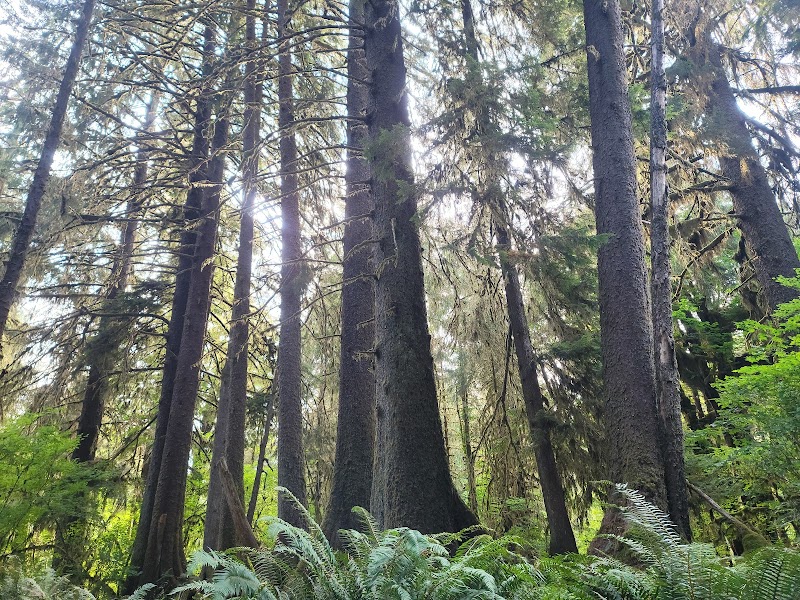
Spring (April-May) stirs the lake’s margins, as the chill begins to lift and salmon start their upstream migration. Bears emerge from hibernation, cautious and hungry, often found along tributaries where they clamp down on early spawners. Trails to viewing spots are still muddy but navigable, offering forested paths thick with fresh green shoots and crisp air. Distance to the key vantage points ranges between 3 to 5 miles round trip, with moderate elevation gains of 500 feet, all on a mix of packed dirt and occasional rocky stretches.
Summer (June to August) broadens the window for salmon watching as the runs swell and bears become more active, busying themselves with fattening up for the colder months. Longer daylight extends your viewing hours, but heat and increased visitor presence may add to the challenge. Forest paths here are drier, and the exposed ridges catch the sun, demanding layered clothing and sun protection. Hydration is critical: the forest's whispering shade invites you in, but the sun dares you to stay alert.
Come Fall (September to October), the scene intensifies — salmon make their final, furious push upstream, and bears strike with a focused ferocity. This is prime viewing. The weather grows crisp, leaves turn fiery, adding drama to already stark river encounters. Terrain remains stable, but early frosts might glaze rocks and trails. Watch for slippery surfaces near streams. It’s the season of reckoning, where nature plays its rawest hand.
Winter (November to March) closes the curtain for most viewers. Snow and ice dominate, shrinking accessible areas and quieting the wildlife stage. However, for those prepared with the right gear, winter offers a unique solitude, with fewer crowds and the occasional, rare sighting of bears in their late hibernation or salmon remnants.
Strategic timing paired with practical preparation maximizes your experience at Crescent Lake. Bring sturdy waterproof boots to handle mixed terrain and potential stream crossings. Pack layered clothing and high-energy snacks for sustained focus. Arrive early or late in the day to catch bears at their most active moments, when rivers thrust their currents strongest.
Viewing bears and salmon here isn't an exercise in domination but an invitation to coexist with a landscape fiercely itself. Each step on this trail is a conversation — with the wind, the water, and the creatures that command this wild stretch. Respect timing, heed seasonal changes, and your visit will be charged with both adventure and insight.
Nearby Trips
All Adventures
Boat Charters
Water Activities
Adventures near Forks
Discover the unique and memorable adventures that make Forks special.
Frequently Asked Questions
When is the best time to see bears at Crescent Lake?
The peak viewing times are late summer through early fall (August to October), when bears are actively feeding on spawning salmon to build fat reserves for winter. Early mornings and late afternoons offer the highest chance of sightings.
How challenging is the terrain around Crescent Lake for wildlife viewing?
The trails are moderately challenging, with a 3-5 mile round trip and some elevation gains around 500 feet. The terrain includes mixed dirt paths, rocky sections near streams, and occasional muddy stretches spring and fall. Proper footwear and fitness are important.
Are there guided tours available for bear and salmon viewing?
Yes, local outfitter services in nearby Forks offer guided hikes and boat tours. These come with safety briefings and expert knowledge of animal behavior, enhancing both safety and chances of quality sightings.
What safety precautions should I take around bears?
Maintain a minimum distance of 100 yards from bears, never approach or feed them, and carry bear spray in accessible locations. Keep noise low and be mindful of wind direction to avoid surprising wildlife.
Can I access Crescent Lake year-round?
Access is generally possible year-round but limited in winter due to snow, ice, and trail closures. Spring through fall are the best seasons to experience full trails and peak wildlife activity.
Are there dog-friendly areas on the trail?
Due to sensitive wildlife activity, especially bear presence, dogs are not recommended on main viewing trails at Crescent Lake to ensure safety for both pets and wildlife.
Recommended Gear
Waterproof Hiking Boots
Keeps feet dry and steady on muddy or wet trails common during salmon runs and spring hikes.
Layered Clothing
Adjust layers to handle changing temperatures and protect against sun or unexpected chill.
Binoculars
Allows close observation of bears and salmon without disturbing their natural behaviors.
Trekking Poles
Adds stability on slippery and uneven terrain, especially useful when crossing wet rocks or in early frost conditions.
Local Insights
Hidden Gems
- "The Lakeshore Ridge Trail offers quieter, less crowded vantage points with sweeping views of both lake and forests."
- "A small, gently babbling side creek often reveals juvenile salmon and curious otters during spring."
Wildlife
- "Besides bears and salmon, keep an eye out for bald eagles barging in on fish runs, and river otters using the fast-flowing streams."
- "Black-tailed deer are common in forest clearings, often observed at dawn."
History
"Crescent Lake and its surroundings have long been part of indigenous lands historically managed with deep ecological knowledge. The area also has a history of early 20th-century logging, which has shaped much of the forest structure you see today."