Timing The Best Weather Windows For Cumberland Island Wildlife Viewing From Fernandina Beach
Cumberland Island offers some of the most rewarding wildlife viewing on the Atlantic coast, and timing your visit from Fernandina Beach is key to maximizing your experience. Discover when the island’s weather aligns with animal activity, trail conditions, and your own adventure goals for an unforgettable encounter with Florida’s wild side.
Start Early to Avoid Heat and Bugs
Mornings bring cooler temperatures and active wildlife, while avoiding midday heat and insect surges. Plan to be off the trails before afternoon storms common in summer months.
Pack Layers for Sudden Weather Changes
Cumberland Island’s coastal climate can shift abruptly; a lightweight rain jacket and breathable layers help you adapt to wind, rain, or sun without slowing your hike.
Wear Trail-Ready Footwear
Expect sandy trails interspersed with shell fragments and occasional mud patches. Durable trail shoes with good grip protect against slipping and terrain hazards.
Stay Hydrated and Bring Water
No freshwater sources are available on the island itself. Carry enough water for your planned hiking duration, especially during warmer months to prevent dehydration.
Timing The Best Weather Windows For Cumberland Island Wildlife Viewing From Fernandina Beach

Jet Ski Eco Tour
2 Hours • Must be 16+ to drive • Up to 3 pax per Jet Ski
Discover the thrill of exploring Fernandina Beach's stunning coastline on a private jet ski eco tour. Experience marine wildlife, scenic views, and eco-friendly adventure all in one trip. Keep reading to learn more about this exciting outdoor experience!
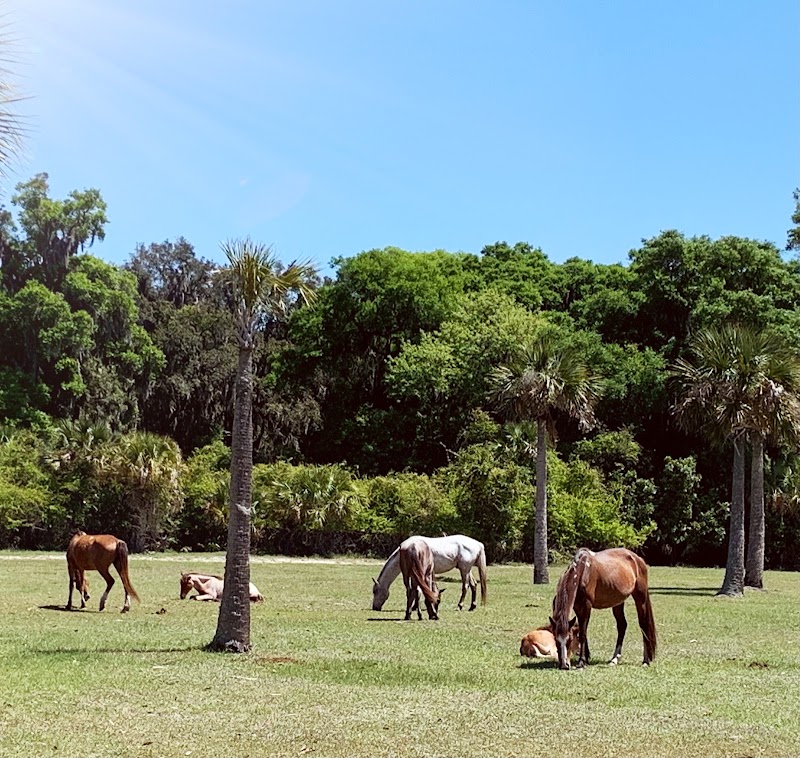
Crossing the salt-scented channel from Fernandina Beach to Cumberland Island answers a call to wild Florida — a landscape fiercely alive and shifting with tides and seasons. This barrier island stretches over 17 miles, a prime refuge where wild horses roam unbothered, ospreys stalk shores, and marshes pulse with subtle movement. Your best wildlife encounters come down to timing: choosing weather windows when the island’s creatures emerge into sharp focus and conditions favor your trek.
Start with the logistics of your adventure. The ferry from Fernandina Beach covers about a 45-minute stretch, its rhythm in tune with the Atlantic’s pull. Once on the island, expect forested trails that range from sand-dusted paths to hardened shell middens, generally flat but occasionally rising onto dune ridges offering sprawling views of marsh and ocean. A typical wildlife viewing day involves 5 to 8 miles of walking — a moderate test of stamina and resolve.
Ideal timing hinges on weather stability. The sweet spot is late fall through early spring (November to March), when humidity drops and biting insects retreat. Days are cooler; the island’s equine residents move more visibly across dunes, and migratory birds form distinct clusters along the waterways. Winds die down in these months, letting you catch still photographs of sharp-winged hawks or slow-moving alligators in brackish pools.
Summer rains and sudden storms can quickly shut down trails and obscure animal activity under dense canopy. Intense heat and high humidity also layer discomfort, calling for early morning or late afternoon departures if you choose to venture in this season. Spring brings boatloads of neon fiddler crabs and nesting shorebirds, but beware of ticks and chiggers that stage their own invasion.
Hydration and footwear are non-negotiable. Breathable hiking shoes that handle sand and shell grit keep you mobile, while layered clothing guards against sudden weather swings and fluctuating coastal winds. Don’t underestimate the island’s inclination to surprise; a sturdy waterproof jacket and sun protection form essential armor.
Wildlife waits not on your schedule but in weather’s quiet invitation. The brackish marsh refuses to be rushed and the pony herds drift with tides much like the clouds overhead. Respect the pace they demand.
Use daylight wisely: mornings bring bird song and cool shadows through towering live oaks, while late afternoons bathe the island in soft light, spotlighting beach driftwood and the slow amble of wild horses. Blend preparation with willingness to pause; every bend in the trail can reveal a hidden salt pond or a heron daring the quiet.
Fernandina Beach isn’t just a launchpad—it’s your final supply point before the wild. Hydrate here, fine-tune your packing, and mark tide charts. Then step forward into the island’s fiercely natural embrace, timing your visit to the cadence of its climate and creatures alike.
Nearby Trips
All Adventures
Boat Charters
Water Activities
Adventures near Fernandina Beach
Discover the unique and memorable adventures that make Fernandina Beach special.
Frequently Asked Questions
When is the best time of day to spot wild horses on Cumberland Island?
Early morning and late afternoon are prime times for wild horse sightings. The cooler temperatures encourage the horses to roam near trails and beach areas before mid-day heat drives them into shaded cover.
Are there any safety concerns when visiting Cumberland Island during different seasons?
Summer requires vigilance for thunderstorms and heat exhaustion, while spring and fall bring insect risks like ticks and chiggers. Always check weather forecasts and dress accordingly to stay safe.
Can I hike the entire Cumberland Island from the Fernandina Beach ferry landing in a day?
Actually, the ferry from Fernandina Beach docks at St. Marys, Georgia, for Cumberland Island access. Hikes across the island vary widely but a full traverse is ambitious for a day given trail conditions and wildlife viewing stops.
What kind of wildlife is most active in winter on Cumberland Island?
Winter is excellent for spotting raptors like hawks and bald eagles, as well as the quieter movements of deer and raccoons. Lower humidity and cooler temps push more animals into visible activity during daylight hours.
Are there any restrictions for wildlife viewing on Cumberland Island?
Visitors should keep distance from all wildlife, especially the wild horses and nesting birds, to minimize disturbance. Feeding animals or approaching too closely is prohibited for conservation reasons.
What makes Fernandina Beach a good starting point for Cumberland Island adventures?
Fernandina Beach offers reliable ferry services, ample accommodations, and last-minute supply shops that prepare adventurers for the island’s remote and rugged environment.
Recommended Gear
Breathable Hiking Shoes
Protect your feet from sandy and shell-laden paths, offering comfort and reliable traction.
Layered Clothing
Adapt to coastal weather swings with moisture-wicking layers and a waterproof shell.
Water Bottle or Hydration Pack
With no water sources on the island, carrying sufficient water is critical to avoid dehydration.
Insect Repellent
Keep biting insects like mosquitoes, ticks, and chiggers at bay during peak seasons.
Local Insights
Hidden Gems
- "The secluded salt marsh overlook at Seaside Trail’s northern end offers quiet views rarely crowded."
- "Plum Orchard Mansion ruins provide a historic trail break blending culture with coastal scenery."
Wildlife
- "The island's wild horses, descendants of Spanish Mustangs, carry a complex legacy and play a key role in the ecosystem balance."
- "Look for nocturnal fox squirrels and elusive river otters in marshy creek beds during dusk."
History
"Once home to native Timucua people and later plantation estates, Cumberland Island’s human history meets persistent natural reclamation, evident in its historic ruins entwined by live oaks and vines."