Navigating the Gauley: Safety Protocols for Class 3-5 Rapids on the 26-Mile Marathon
The Gauley River marathon stretches 26 miles through some of the East Coast’s most dynamic whitewater, featuring challenging Class 3 to 5 rapids. Discover key safety protocols that turn this thrilling river run into a calculated adventure, preparing you for every rapid’s sudden push and pull.
Wear Proper Personal Flotation Devices
Select a Coast Guard-approved life jacket engineered for swiftwater use to ensure maximum buoyancy and fit, critical in powerful currents.
Scout Rapids Before Running
Whenever possible, visually inspect rapids from shore to identify hazards and determine the safest line through the whitewater.
Use Group Communication Tools
Equip teams with waterproof radios or agreed-upon hand signals to maintain constant communication across noisy rapids.
Hydrate and Fuel Regularly
Pack electrolyte-enhanced water and dense snacks stored in dry bags accessible during breaks to maintain energy and alertness.
Navigating the Gauley: Safety Protocols for Class 3-5 Rapids on the 26-Mile Marathon

Full Gauley Marathon
Ages 16+ • 8 Hours • Class 3-5 Rapids • Rafting Experience Suggested
Get ready for an adrenaline-fueled day tackling some of West Virginia’s most challenging rapids on the Full Gauley Marathon. Perfect for adventure seekers, this trip combines natural beauty with heart-pumping fun. Discover more about this thrilling rafting experience below!
The Gauley River calls out with a relentless pulse, daring paddlers to match its rhythm over 26 miles of fierce Class 3 to Class 5 rapids. This river isn’t merely a watercourse; it’s a force with a distinct will, pushing you forward and demanding respect. Tackling the Gauley marathon requires more than adrenaline—it demands a solid safety strategy, practical preparation, and an understanding that every rapid is a puzzle to solve.
Begin by recognizing the river’s character: the whitewater is a living, moving obstacle course, shaped by jagged rocks and sudden drops. The Gauley’s rapids are brutal yet functional challenges—each one varying in intensity and requiring a sharp eye and responsive maneuvers.
Safety starts before you launch. Wear a high-quality, Coast Guard-approved life jacket designed for swift currents. It must fit snugly to prevent any shift during a spill. Helmets are non-negotiable; they guard against strikes from hidden rocks and the force of overturned boats. Consider neoprene gloves and quick-drying, abrasion-resistant clothing to protect exposed skin against the abrasive riverbed and debris.
Plan your route in detail. The 26-mile distance is broken into several named rapids—each with distinct hazards. Know the key entry and exit points, scout the big rapids if possible, and communicate clearly within your group. Use hand signals and waterproof radios to maintain contact, especially in noisy sections where voice commands falter.
Hydration and nutrition are subtle but critical. The adrenaline and physical exertion deplete energy fast. Pack electrolyte-rich water and high-calorie snacks accessible in dry bags. Keep water temperatures cool but protected from freezing if launching early in the season.
Timing the run means balancing daylight and water levels. The best windows are spring and early summer when dam releases from Summersville Lake raise the flow, activating the rapids’ full intensity. Arrive prepared for sudden weather changes and know the forecast—lightning or heavy rain can escalate river danger swiftly.
On the water, always scout rapids when unsure and avoid unnecessary risks. When a team member capsizes, swift but methodical rescue is essential: secure the boat, throw a rescue rope, and assist with steady hands. Respect the river’s strength; rushing a rescue can escalate peril.
Finally, your mindset must be nimble and calm. Trust your training, listen to the river’s cues, and embrace the challenge as a partnership with a force fiercely itself. With preparation and respect, the Gauley marathon can be an exhilarating test of skill, endurance, and teamwork that leaves you eager for the next run.
Nearby Trips
All Adventures
Boat Charters
Water Activities
Adventures near Fayetteville
Discover the unique and memorable adventures that make Fayetteville special.
Frequently Asked Questions
What is the best way to prepare physically for the Gauley River marathon?
Focus on endurance training combined with strength work targeting core and upper body. Practice paddling technique regularly and build experience in whitewater to develop rapid reading and maneuvering skills.
Are there accessible exit points along the 26-mile Gauley run if conditions worsen?
Yes, exit points exist at several locations, including near major rapids like the 'Gauley Flats' and at the Take-Out Ramp near the river’s end. Plan your day with these in mind for contingency.
What local wildlife might I encounter during the rafting marathon?
Keep an eye out for bald eagles and ospreys circling above. River otters, deer, and occasionally black bears inhabit the surrounding forest but typically avoid the river itself during high activity.
Is professional guide assistance recommended for running the Gauley rapids?
For novices and intermediate paddlers, using professional guides is highly recommended due to the technical and physical challenges. Experienced paddlers may consider unguided runs but should never go alone.
How do local dam releases affect the Gauley River’s flow and rapid intensities?
Releases from Summersville Lake dam control flow volumes, typically scheduled in spring and early summer, substantially increasing rapid size and difficulty. Monitoring scheduled releases is critical for safe planning.
Are there environmental protections or regulations to be aware of on the Gauley River?
Yes. The Gauley River is part of a protected system favoring conservation; waste disposal is strictly prohibited in the river, and paddlers must follow 'Leave No Trace' principles to minimize ecological impact.
Recommended Gear
Coast Guard-Approved Swiftwater Life Jacket
Critical for flotation and safety in turbulent currents, fitting snugly to withstand submersion and fast water.
Waterproof Helmet
Protects against impact from rocks, branches, and kayak/paddle strikes during capsizes or rapid navigation.
Neoprene Gloves
Provide grip and warmth during cold early-season runs when water temperatures challenge dexterity.
Dry Bags with Hydration & Snacks
Keeps essential water and food accessible and dry over long hours on the river, maintaining energy and hydration.
Local Insights
Hidden Gems
- "The aptly named "Soapstone Rapid" offers unique geology visible from shore, a quiet spot often overlooked between larger rapids."
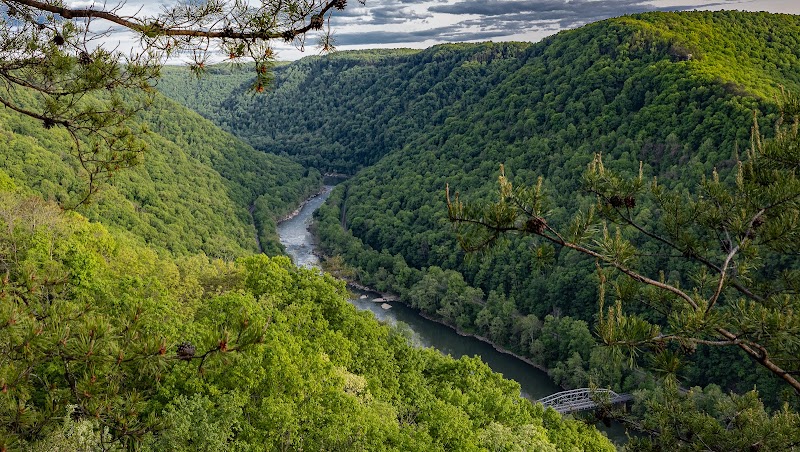
- "The 'Red Ledges' overlook provides a seldom-used vantage point with broad views of the river bending sharply downstream."
Wildlife
- "Bald eagles nesting along the banks are a common sight in spring and summer."
- "River otters frequently surface mid-run, offering brief wildlife encounters amid the whitewater."
History
"The Gauley River was historically vital for logging and later transformed into a premier whitewater destination after the Summersville Dam construction controlled flow, shifting the river's role from resource extraction to recreation."