
Mastering Coastal Fishing Techniques for Fajardo’s Diverse Species
Fajardo’s coast offers diverse fishing opportunities that challenge anglers to adapt their techniques for each unique species. This guide blends practical advice with local insights to prepare you for a rewarding coastal fishing adventure.
Match Tackle to Target Species
Select rods, reels, and baits suited to the behavior and size of your target fish, adjusting frequently for species like snapper, tuna, or grouper.
Monitor Currents and Tide Times
Currents influence fish locations heavily; plan fishing trips around slack tide for calmer water and peak feeding.
Early Morning Advantage
Fish are more active near the surface during early hours when water temperatures are cooler and currents less intense.
Use Heavier Line in Windy Conditions
Stronger winds require heavier tackle to maintain control and prevent line breakage in rough seas.
Mastering Coastal Fishing Techniques for Fajardo’s Diverse Species
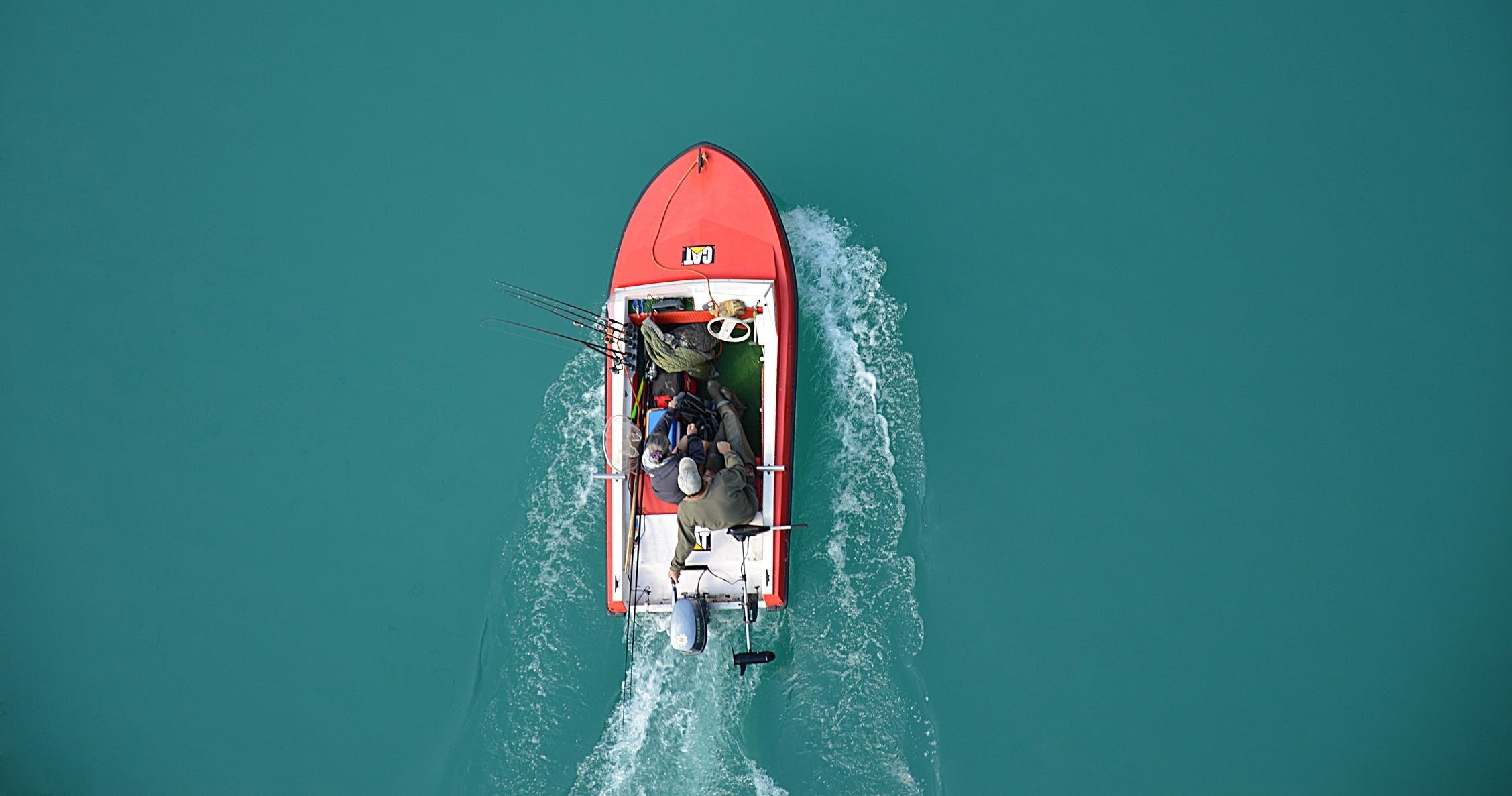
Fishing Charter
Seven hours • Ages 6 and up • Up to 6 people
Join Island Reef Tours in Fajardo for an exclusive private fishing charter in Puerto Rico. Experience the thrill of landing local species while enjoying stunning ocean vistas on this personalized adventure.
Fishing off Fajardo’s coast is a dynamic experience that asks anglers to adapt with precision. The waters here don’t just host fish; they host different challenges that require tailored techniques for each species you target. From the sleek, fast-moving dorado darting near the waves to the cautious, bottom-dwelling snapper, every catch demands respect for the ocean’s pulse and a keen understanding of local behavior.
Start with gear suited to the species. For instance, the aggressive tuna near offshore reefs responds best to trolling with medium-heavy rods and fast reels, while the more delicate grouper prefers slower jigging with heavier weights to reach their rocky shelters. Lures, too, must change — bright poppers command attention near the surface, while natural baits like squid work wonders when dropped quietly over ledges.
Water conditions shift daily along Fajardo’s coast. Currents push with intent, shaping where fish gather and how they hunt. Early morning is prime time when undercurrents calm, and fish rise closer to the surface. Later, as the sun warms the water, activity moves deeper. Adjust your techniques to match: switch from surface lures to bottom rigs, stay alert to signs like jumping tarpon or swirls that reveal feeding zones.
Local anglers know the ocean’s moods and teach that patience paired with adaptability wins. If the fish dive deep, consider weighted lines and slow retrieves that mimic injured prey. When the seas carry more breeze, choose heavier tackle to maintain control. Understanding these transitions keeps you connected to the water’s living rhythm.
Fajardo’s coastline offers more than just fish; it reveals a complex system where species overlap but do not merely coexist. The thrill lies in reading these subtle signs — the shadow that passes, the current that shifts — and responding with skillful changes. With your line cast into these lively waters, every strike tells a story of balance, challenge, and the art of becoming part of a fiercely alive environment.
Plan your trip with season and species in mind. Spring brings migration patterns that fill the seas with sailfish, while summer heats the waters for amberjack. Timing your outing not only increases success but deepens your connection to the natural cycles that govern Fajardo’s marine life. Embrace the challenge and the craft — the ocean off Fajardo waits, always asserting itself with nuanced force.
Nearby Trips
All Adventures
Boat Charters
Water Activities
Adventures near Fajardo
Discover the unique and memorable adventures that make Fajardo special.
Frequently Asked Questions
What species are most commonly caught off Fajardo’s coast?
The region is known for a wide variety including yellowfin tuna, dorado, amberjack, snapper, grouper, and occasionally sailfish during certain seasons.
Are there specific regulations or permits needed for fishing in Fajardo?
Yes, anglers should obtain the proper Puerto Rico fishing licenses, and respect size and catch limits to support sustainable fisheries.
What is the best way to handle strong ocean currents when fishing here?
Use heavier tackle to maintain control, adjust anchor positions if bottom fishing, and time your trips around slack tide to minimize current strength.
Are there local spots recommended for beginners?
Nearby sheltered coves and shallow flats offer safer waters and easier fish targets for newcomers before heading into deeper ocean waters.
Can I fish year-round or are some months not recommended?
Fishing is possible year-round, but peak success varies with seasons; summer and fall often produce the most active big game species.
What safety precautions should be taken for coastal fishing in Fajardo?
Always check weather conditions, wear life jackets, inform someone onshore of your trip plan, and carry communication devices in case of emergencies.
Recommended Gear
Medium to Heavy Rod and Reel Combo
Provides versatility needed to fish for both surface and deeper species with varying fight strengths.
Variety of Lures and Bait
Bright poppers, jigs, and natural bait enable adaptation to fish feeding behaviors and depth.
Polarized Sunglasses
Reduces glare and helps spot fish activity below the water surface during bright daylight.
Waterproof Tackle Box
Keeps gear organized and protected from saltwater and rain during unpredictable coastal trips.
Local Insights
Hidden Gems
- "Las Croabas Mangrove Estuary for calm fishing and bird watching"
- "Icacos Island reefs known for grouper and snapper"
- "Seven Seas Beach for accessible shoreline fishing"
- "Palomino Island drop-offs attracting large pelagic species"
Wildlife
- "Dolphins often spotted nearshore feeding alongside anglers"
- "Sea turtles that frequent shallow waters during nesting season"
- "Various seabirds like frigate birds and pelicans circling above"
- "Coral reef fish making colorful underwater landscapes"
History
"Fajardo was historically a key fishing and maritime spot for indigenous Taíno communities and later Spanish settlers, influencing today’s fishing traditions and knowledge."