
Experience the thrill and quiet strength of a winter dog sled ride near Fairbanks, Alaska, where timing shapes safety and stunning views. Learn when to plan your trip for firm trails, happy dogs, and crisp landscapes.
Start Early to Maximize Trail Conditions
Begin rides in the early morning hours when snow is firm and temperatures are stable for optimal sled traction and safety.
Wear Layered, Water-Resistant Clothing
Layering helps manage fluctuating temperatures; water-resistant outer layers guard against melting snow and wet conditions.
Communicate with Your Guide Often
Regularly check in on your guide regarding trail updates and dog team conditions to adapt your pace and plans safely.
Keep Hydrated with Insulated Bottles
Cold weather can mask dehydration; insulated bottles prevent water from freezing, ensuring you stay hydrated.
Timing Your Winter Dog Sled Ride for Safety and Scenery

Dog Sled Adventure - Winter
2 Hours • All Ages
Experience the thrill of mushing through Alaska’s winter landscape on a guided dog sled run with Snowhook Adventure Guides. Meet friendly Huskies and glide over snow-covered hills and frozen lakes for a memorable outdoor adventure.
Winter transforms the landscape into a dynamic canvas of ice and snow, where dog sledding emerges as an exhilarating way to engage with the wilderness. Optimal timing balances crisp conditions with striking visuals and, above all, safety. Late December through March usually offers the firmest ice and deep snowpacks needed for smooth runs, while early mornings heighten the stillness of the forest and open views across frozen fields.
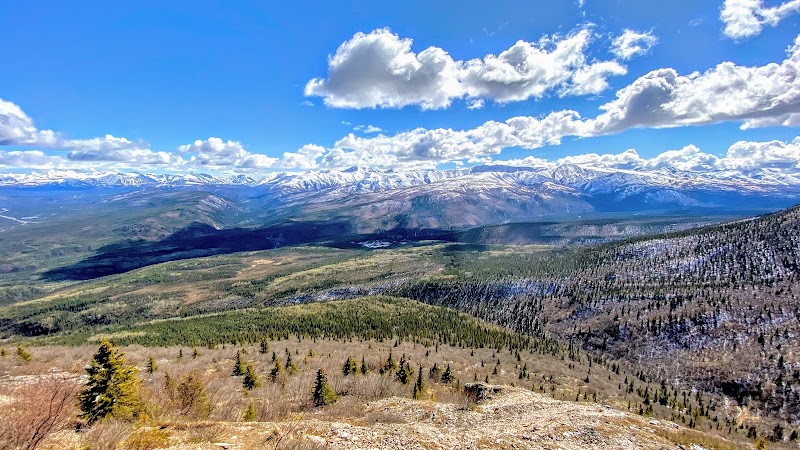
Choose a time when temperatures reliably stay below freezing but avoid extreme cold snaps that endanger both riders and dogs. Midday light thaws surfaces, which can slow sleds and risk wet gear, so early starts are advisable. Trails typically range from 8 to 15 miles, winding through dense boreal forests and over gentle hills that rise around 500 feet. These undulating terrains test endurance but reward with panoramic vistas where snow-laden pines bow under winter’s weight and rivers freeze, daring you to cross their silent stretches.
Practical preparation includes layering water-resistant clothing, moisture-wicking base layers, and insulated boots with good traction. Hydration matters despite cold air’s deceptive drying effect — experts recommend insulated water bottles preventing freezing. Ensure clear communication with your guide about dog needs and trail conditions, as weather shifts demand keen adaptation. The dogs themselves are mascots of the land’s fierce character, powered by instinct and training, requiring respect and responsible handling.
In broader terms, the timing affects wildlife sightings as well; winter tracks of foxes, hares, and occasionally moose can appear along quieter trail sections. Photography enthusiasts find the low-angle sunlight of late afternoon ideal for capturing the team in silhouette against frost-rimmed trees. However, the window to ride safely tightens as warmer days approach, making it crucial to schedule before thaw loosens the snow’s grip.
In essence, your dog sled adventure is a meeting between planner and wild, where timing serves as your key to unlock both safety and scenic reward. Ready yourself with knowledge, respect the landscape’s shifting moods, and the journey will reward you with a vivid, tangible taste of winter’s uncompromising but breathtaking hold.
Nearby Trips
All Adventures
Boat Charters
Water Activities
Adventures near Fairbanks
Discover the unique and memorable adventures that make Fairbanks special.
Frequently Asked Questions
When is the safest time to go dog sledding in winter?
The safest window is between late December and early March when the snowpack is stable and ice is firm enough to handle sled teams. Early mornings provide the best conditions as midday thaw can soften tracks, increasing risks.
How do dog sled teams handle extreme cold?
Sled dogs are bred and conditioned for winter extremes, with thick fur and endurance. Guides monitor their conditions closely, adjusting workloads and breaks to keep them healthy. Timing your ride to avoid the coldest spells ensures dog's well-being.
What terrain features should I expect on typical dog sled routes near Fairbanks?
Expect forested paths of spruce and pine bending under snow’s weight, gentle hills offering elevated views of frozen rivers daring you to cross, and wide open plains where trails spread like veins through the winter landscape.
Are there any wildlife encounters to look out for during winter sledding?
While wildlife is more elusive in winter, fresh tracks often appear from foxes, hares, and the occasional moose. Early mornings increase chances of encountering active animals following their daily patterns.
How important is physical fitness for a dog sled ride?
Moderate fitness is important. While much of the movement is guided by the dogs, riders may need to help in uneven terrain or icy spots. Being able to stay balanced and manage short bursts on foot can enhance safety.
What environmental practices should I follow when dog sledding?
Respect trail markers, stay on established paths to protect fragile tundra, avoid feeding or disturbing wildlife, and ensure all waste (human or dog) is properly packed out or disposed of to maintain ecosystem health.
Recommended Gear
Insulated Waterproof Boots
Provides warmth and prevents slipping on icy trails, crucial for long rides in freezing conditions.
Thermal Base Layers
Keeps core temperature regulated and wicks moisture away to avoid chilling.
Insulated Water Bottle
Prevents water from freezing, maintaining hydration throughout the ride.
Goggles or Sunglasses with UV Protection
Protects eyes from glare off snow and ice, essential on bright days.
Local Insights
Hidden Gems
- "Cache Creek Overlook: A lesser-visited spot offering panoramic views of a frozen braided river, visible during longer loops."
- "Pioneer Ridge Trail: Quiet forest segment famous for pronounced animal tracks and solitude."
Wildlife
- "Arctic fox"
- "Snowshoe hare"
- "Moose"
History
"Dog sledding here dates back centuries, originally practiced by indigenous Athabaskan peoples and later popularized during gold rush logistics. The tradition remains an essential cultural and practical link to the land."