Fairbanks’ Chena River offers anglers a prime chance to hook Arctic Grayling during late spring and early summer. Combining accessible terrain with rich insect hatches and calm waters, this spot is ideal for both novices and skilled anglers seeking that perfect bite.
Choose Early Morning or Dusk for Bites
Grayling are most active during low light hours; plan your fishing sessions accordingly to increase success.
Wear Waterproof Footwear
Banks are often muddy and slippery; waterproof boots with good grip will keep you steady and dry.
Pack Insect Repellent
Mosquitoes swarm near the riverbanks at dusk; repellent will help maintain comfort and focus while fishing.
Hydrate Frequently
Despite cooler temperatures, the dry Alaskan air can dehydrate you quickly during long fishing trips.
Timing the Arctic Grayling Bite in Fairbanks' Chena River

Half Day Fairbanks Fishing Float Trip
6 Hours • Ages 3+ • Great for Beginners or Experts!
Discover the tranquility and thrill of fishing in Alaska with a half-day float trip near Fairbanks. Enjoy expert-guided fishing, stunning views, and local wildlife encounters in this unforgettable outdoor experience.
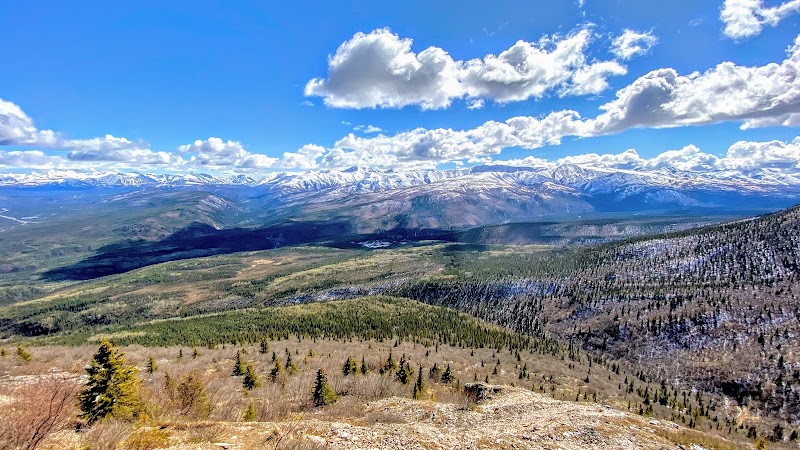
Fairbanks’ Chena River carves a steady path through boreal forest and open meadows, daring anglers to read its currents and patiently wait for the Arctic Grayling to show. This elusive freshwater fish thrives in cold, oxygen-rich waters, and knowing when to cast your line here can turn a quiet day by the river into a memorable fishing expedition.
The prime Arctic Grayling bite emerges from late May through early July, when water temperatures hover around 55°F to 65°F. During these weeks, the river shifts from a winter-guarded state toward a livelier pulse as insects hatch and currents stir. Early mornings and late evenings hold the best promise—these are the twilight hours when Grayling inch closer to the riverbanks, chasing the hatch with swift, flickering fins.
Fairbanks’ Chena River runs gently, a mix of shallow riffles and deeper pools that echo with movement beneath the surface. The terrain along its banks is accessible: expect flat, forested trails mostly covered with spruce and birch, and soft underfoot moss that cushions each step. Stretches near Clemens Cabin offer especially fruitful spots, their shade cooling the water and inviting fish to linger. For planning, map out daily hikes between 2 to 5 miles depending on your stamina. Elevation gain is minimal, mostly steady with occasional dips to the water’s edge.
To prepare, wear sturdy waterproof footwear, as the banks can fool you with hidden mud and slick algae. Stay hydrated—Alaska’s summer days may be long, but the dry air draws moisture quickly. A lightweight, breathable jacket helps with sudden shifts in weather, a habit of the river’s fickle temperament. Pack insect repellent: mosquitoes patrol near dusk and will test your focus when you’re tangled in line and anticipation.
Successful Grayling fishing here aligns with patience and respect. The river doesn’t rush; it invites, nudges, and at times retreats. Cast dry flies like the Blue-winged Olive or Elk Hair Caddis, matching the local hatch. Keep your movements fluid and soft—Grayling detect every ripple.
This experience is about engagement with nature’s rhythms and nuance. The Chena River’s Arctic Grayling bite is not just a fishing opportunity; it’s an invitation to understand seasonal flow, insect life cycles, and the subtle dance between angler and fish. Timing your visit right maximizes that connection, delivering fresh-air excitement balanced with practical know-how to shape your adventure.
In essence, get ready for more than a catch. Prepare for a river that listens and responds, a wild force firmly rooted in the Alaskan landscape and ready to test your skills, timing, and patience.
Nearby Trips
All Adventures
Boat Charters
Water Activities
Adventures near Fairbanks
Discover the unique and memorable adventures that make Fairbanks special.
Frequently Asked Questions
When is the absolute best time to fish Arctic Grayling on the Chena River?
The best time is usually late May through early July during the insect hatch peaks, particularly between dawn and dusk when Grayling feed actively near the shore.
Are there any lesser-known spots along the Chena River that offer better fishing?
Yes, areas near Clemens Cabin and just upstream of the Moose Creek Trailhead often see fewer anglers and hold excellent wading access with a steady Grayling presence.
What insects hatch around the Chena River that Grayling feed on?
Common hatches include Blue-winged Olive mayflies and caddisflies—matching these with your fly selection is crucial during prime fishing times.
Is it necessary to have technical fly fishing skills to catch Grayling here?
Basic fly fishing skills suffice; understanding water currents and insect timing makes a significant difference, but beginners can find success with preparation and local guidance.
What local wildlife might hikers and anglers encounter around the river?
Beyond Grayling, watch for moose along the treeline, beavers near slower stretches, and a variety of shorebirds, including sandhill cranes and belted kingfishers.
Are there environmental regulations or catch limits to be aware of?
Yes, Alaska enforces catch-and-release for Arctic Grayling on affected waters, including the Chena River. Check the Alaska Department of Fish & Game for updated restrictions before your trip.
Recommended Gear
Waterproof Wading Boots
Strong footing and waterproof protection help navigate muddy and slick riverbanks safely.
Lightweight Rain Jacket
Protects against sudden chills and rain, maintaining comfort during unpredictable Alaskan weather.
Fly Fishing Rod with Dry Flies
Dry flies like Blue-winged Olive or Elk Hair Caddis match the natural hatch, key for enticing Arctic Grayling bites.
Insect Repellent
Deters mosquitoes that swarm near water edges at dawn and dusk, keeping focus sharp on fishing.
Local Insights
Hidden Gems
- "The quiet bend upstream from Clemens Cabin offers serene casting away from crowds."
- "An unmarked gravel bar near the Beth Jones Trailhead provides a unique spot for morning fishing."
Wildlife
- "Moose browsing along the riverbanks at dawn"
- "Beavers actively building dams in slow sections"
- "Migratory shorebirds during summer months"
History
"The Chena River has long supported indigenous subsistence fishing and served as a transportation route during the gold rush era, retaining cultural significance to native communities."