Navigating transportation to Nenana River rafting launch points requires more than just a map—it calls for timing, vehicle savvy, and local insight. This guide clears the way with practical tips to help you reach the river’s edge ready to ride its fierce currents.
Choose the Right Vehicle
High-clearance 4x4 vehicles handle gravel roads and occasional stream crossings better, reducing delays and vehicle damage risks.
Coordinate Shuttle Services Early
Secure your spot with local outfitters ahead of peak season to avoid missing scheduled departures or launches.
Pack Light and Smart
Limit gear to essentials—minimizing load expedites transport and reduces complications during loading and unloading.
Start Your Drive Early
To avoid driving gravel roads in the dark, depart well before sunset, allowing full daylight for navigation.
Mastering Transportation Logistics to Nenana River Rafting Launch Points

Wilderness Run: Paddle Raft
Ages 5+ • Our paddle option of our popular scenic section • Mellow Class I, II, with one III
Experience the thrill of whitewater rafting through the stunning landscapes of Denali National Park. Perfect for adventure lovers seeking an authentic Alaskan wilderness experience, this trip combines adrenaline with breathtaking scenery. Keep reading to discover what awaits you on this unforgettable journey.
Embarking on a Nenana River rafting adventure means lining up not just your gear but a well-planned approach to transportation. The river’s launch points lie amid remote wilderness where options are limited, and timing is crucial. The main access road, the Elliott Highway, winds through rugged terrain, demanding sturdy vehicles and patience as you inch closer to the river’s edge.
Most rafters start their journey in Fairbanks, the closest major city, where rental cars and shuttle services converge to meet paddlers. It’s a 70-mile drive south on the Elliott Highway to Nenana, followed by gravel roads leading into launch sites such as the popular Farewell Launch or in some cases more remote locations by prior arrangement.
Ground logistics hinge on vehicle choice—high-clearance, 4x4 vehicles handle the gravel and occasional river crossings better, essential for smooth arrival. Scheduling rides to and from the launch points requires working with local outfitters experienced with the river’s seasonal pulse. The river dares you with swift currents, but the roads test your resolve with loose gravel and shifting weather.
To streamline your trip, coordinate transport with your rafting outfitter early, especially during peak summer months when demand swells and parking spots become scarce. Shuttles often operate on a tight schedule, ferrying adventurers back to Nenana or Fairbanks post-run.
For those driving independently, time your departure to avoid nightfall. Gravel roads coil through dense spruce and birch forests that close ranks as light fades, testing navigation as closely as the river challenges your paddling skills.
Logistics also involve packing strategically. Leave non-essential gear behind to lighten your load. Hydration is key—carry ample water for the transit and prepare for the slightly bumpy drive ahead. Footwear for the drive and hiking at launch points should combine grip with durability; the terrain here is unforgiving to sandals or running shoes.
Ultimately, transportation to Nenana River rafting launch points is a balanced exercise in preparation and respect for the environment. The land pushes back with its raw conditions, demanding you engage thoughtfully, committing to both safety and efficiency. When your ride meets the river, the adventure truly begins—charged with anticipation and the thrill of the wild still embracing you.
Nearby Trips
All Adventures
Boat Charters
Water Activities
Adventures near Fairbanks
Discover the unique and memorable adventures that make Fairbanks special.
Frequently Asked Questions
What’s the best way to get from Fairbanks to the Nenana River launch points?
The most reliable method is driving 70 miles south on the Elliott Highway in a high-clearance vehicle or booking a shuttle through local rafting outfitters, who handle rough gravel roads and coordinate timing with rafting groups.
Are shuttle services available year-round?
No. Most shuttle services operate from late May through early September, coinciding with rafting season. Winter access is limited due to snow and icy conditions.
Is GPS reliable for navigating the gravel roads to launch points?
GPS works generally well, but signal can weaken in dense forested stretches. Carry offline maps or detailed directions from your outfitter to avoid surprises.
Can I use a regular rental car to reach the launch sites?
Regular sedans are not recommended. Gravel roads and river fords demand high-clearance vehicles or 4x4s to prevent damage and ensure safe arrival.
Are there any lesser-known viewpoints along the approach to the river?
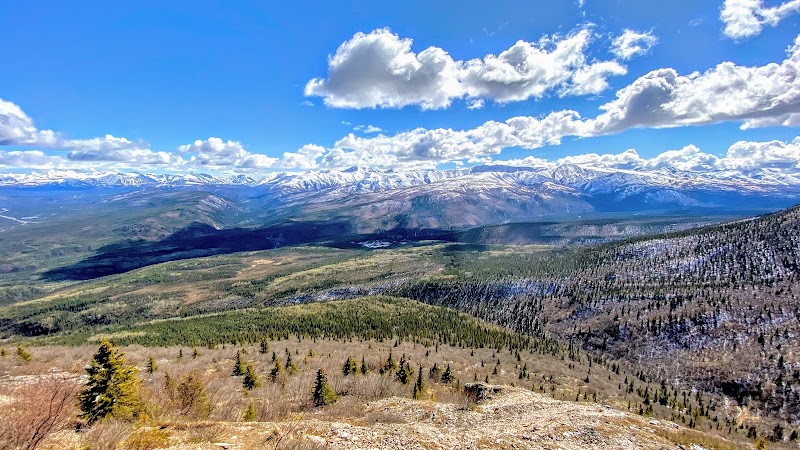
Yes. A short pullout about halfway along the Elliott Highway offers a sweeping view of the Nenana River gorge weaving below, often unnoticed but rewarding at sunset.
What wildlife should I be mindful of when traveling to the launch points?
Keep watch for moose crossing roads at dawn and dusk, and be alert for nesting bald eagles perched near cliff edges alongside the river corridor.
Recommended Gear
High-Clearance 4x4 Vehicle
Handles the rough gravel roads and any river crossings safely, reducing risk of getting stuck.
Hydration Pack or Bottled Water
Keeps you hydrated during bumpy, potentially long transit from Fairbanks to launch points.
Sturdy Hiking Boots
Provides grip and protection for walking launch roads and surrounding terrain.
Dry Bag or Waterproof Gear Bag
Protects valuables and electronics from bumpy transit and river spray on the launch approach.
Local Insights
Hidden Gems
- "Farewell Launch Road viewpoint overlooking the Nenana Gorge"
- "Small natural springs near launch access roads, perfect for refilling water bottles"
Wildlife
- "Moose"
- "Bald Eagles"
- "Beavers active along the riverbanks"
History
"The Nenana River corridor has been traveled for centuries by Athabascan peoples, whose seasonal movements shaped regional trails now paralleled by modern roads."