Fairbanks offers some of the clearest, darkest skies perfect for catching the Northern Lights at their most vivid. This guide breaks down the essential timing factors and practical tips, empowering adventurers to optimize their aurora experience with clear, actionable steps.
Check Aurora Forecasts Daily
Use dedicated apps or websites to monitor the kp index and cloud cover updates to catch the best aurora activity windows.
Dress in Layers with Insulation
Wear moisture-wicking base layers, insulating mid-layers, and windproof outer shells to stay warm during long waits in freezing conditions.
Bring Traction Aids for Snow and Ice
Traction devices like microspikes prevent slips on icy trails typical in late fall through early spring around Fairbanks.
Arrive Early at Viewing Spots
Reach vantage points at least 30 minutes before predicted peak aurora activity to settle in and adjust to the dark environment.
Mastering Timing for Northern Lights Viewing Near Fairbanks, Alaska

Chena Hot Springs North
Discover the magic of Alaska's winter wilderness with a soak in Chena Hot Springs and a night under the northern lights. Join Northern Lights Tours Fairbanks for a trip packed with outdoor adventures and cozy moments amid snowy landscapes.
Fairbanks, Alaska, stakes its claim as one of the premier locations worldwide to witness the Northern Lights performing their grand, silent dance across the Arctic sky. Yet, catching this elusive spectacle demands understanding a rhythm that is part lunar, part solar, and entirely natural. Timing near Fairbanks hinges on more than just choosing the right night—it involves picking the right months, reading the sky’s mood, and preparing for the bite of the cold wilderness that stretches beyond city lights.
The aurora’s pulse intensifies from late August through early April, with peak activity between December and March. These months deliver the longest hours of darkness, essential for spotting the curtains of green and violet that ripple overhead. Fairbanks experiences about 20 hours of darkness a day in midwinter, an advantage many places farther south can’t claim. But this same darkness carries subzero temperatures, meaning gear matters as much as patience.
Cloud cover is the Northern Lights’ fiercest rival. Scouts should watch forecasts closely, aiming for clear skies that Fairbanks’ interior often offers thanks to its continental climate. The dry cold of late winter typically provides the clearest nights. Local weather apps and aurora forecast sites provide “kp index” scores, a numerical indicator where 3 and above increases your odds of a vivid show. Planning a window around these indices can turn hopeful watching into almost certain spectacle.
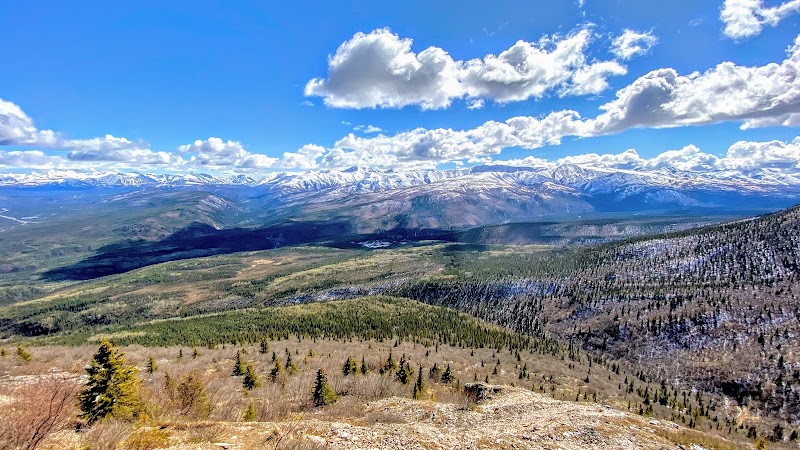
Location also ties into timing. Ease your way out from Fairbanks within 15-30 miles to escape the haze of artificial light. Trails like the Chena River State Recreation Area offer forested paths that rise gently—expect distances from trailheads around 3-5 miles round trip, elevation gains modest at 200-400 feet, enough to catch broad horizon views while surrounded by trees that lean and whisper with cold wind. Your boots will meet frozen earth or crunchy snow; traction aids are a must.
Hiking to a vantage point should be timed to reach your perch at least 30 minutes before local aurora activity is poised to peak—often between 10 PM and 2 AM. Dressing in moisture-wicking layers paired with a warm insulated shell will keep you insulated when night’s silence stretches out; bring a thermos with hot fluids, as hydration fighters offbite cold and stave off fatigue.
The Northern Lights are fiercely independent—they come and go, fold and flare without warning, inviting onlookers into a dialogue with nature’s raw power, not domination. Anticipate pauses, shifts in intensity, and prepare to embrace the waiting with a steady spirit. Whether a casual hiker or a winter warrior, timing your outing with an eye to moon phase (new moon nights work best), cloud cover, and aurora forecasts enhances your chances of standing beneath the auroral glow, an experience measured in awe, not minutes.
In planning, practicality meets wonder. Set your alarm late, pack a headlamp with red light to preserve night vision, don insulated waterproof boots, and stay flexible. Fairbanks won’t promise a nightly show, but when the curtain parts, you’ll meet the lights on their own terms—fiercely, wildly, magnificently alive.
Nearby Trips
All Adventures
Boat Charters
Water Activities
Adventures near Fairbanks
Discover the unique and memorable adventures that make Fairbanks special.
Frequently Asked Questions
When is the absolute best time of year to see the Northern Lights near Fairbanks?
The prime window is between December and March when Fairbanks experiences the longest nights and typically clearest skies. Darkness lasts up to 20 hours daily, increasing chances of aurora visibility, especially on cold, cloudless nights with a kp index above 3.
How far from Fairbanks should I hike to avoid light pollution?
Ideally, aim for 15 to 30 miles outside city limits. Areas like Chena River State Recreation Area offer trails with minimal artificial light, giving you dark, open horizons necessary for vivid aurora viewing.
What weather conditions can ruin aurora viewing plans?
Cloud cover is the biggest obstacle. Even a thin veil of clouds dims the aurora’s intensity. Additionally, full moons can wash out the display, so planning trips around new moon phases maximizes viewing quality.
Are there any safety concerns with nighttime hiking in winter conditions?
Yes. Trails become icy; wearing traction aids is essential. Temperatures can quickly drop below -20°F, making frostbite a risk without proper clothing. Also, wildlife such as moose may be encountered, so stay alert and maintain respectful distance.
Can I photograph the Northern Lights from the trail, or do I need special equipment?
Auroras can be captured with cameras capable of long exposures and manual settings. A sturdy tripod is essential to avoid blur. Smartphones struggle without add-ons, so bring proper gear to document the display effectively.
Is it better to hike during a full moon or a new moon for aurora viewing?
New moon nights are preferable. The darker sky backdrop amplifies the lights' colors and shapes, while full moons add brightness that can wash out subtle hues of the aurora.
Recommended Gear
Insulated Waterproof Boots
Keeps feet dry and warm across snow and frozen mud, supporting stable footing on icy trails.
Thermal Base Layers
Moisture-wicking foundation for layered dressing that manages sweat and retains body heat.
Headlamp with Red Light Mode
Provides hands-free illumination without disrupting night vision; critical for navigating dark trails before and after viewing.
Hot Beverage Thermos
Keeps fluids warm to aid hydration and body temperature management during extended waits in cold.
Local Insights
Hidden Gems
- "Angel Rocks Trail - a less-trafficked vantage point 20 miles from Fairbanks offers sweeping panoramic views ideal for quiet aurora watching."
- "Murphy Dome - rises 2,300 feet above sea level, providing a rugged yet accessible platform for wide-sky observation."
Wildlife
- "Moose frequently cross late evening; their imposing forms respond to your streetlamps with wary eyes."
- "Snowshoe hares and Arctic foxes skirt the edges of trails, swift and alert in the quiet."
History
"Fairbanks has long been an access point for indigenous Athabaskan communities whose stories link celestial phenomena with seasonal cycles. The phenomenon itself has guided hunters and storytellers for centuries."