
Embark on a long Arctic road trip from Fairbanks, Alaska, where the vast, rugged terrain demands thorough preparation and respect. This guide breaks down essential logistics, from timing and vehicle needs to route challenges, ensuring your journey through the Arctic frontier is as safe as it is unforgettable.
Plan Fuel Stops Carefully
Fuel stations are spaced hundreds of miles apart along the Dalton Highway—carry extra fuel reserves and know each station’s operating hours.
Monitor Weather Consistently
Arctic weather shifts suddenly; track forecasts daily to avoid hazardous conditions and adjust your schedule accordingly.
Carry a Satellite Communicator
Cell service is spotty or non-existent; a satellite device is crucial for emergencies and navigation.
Pack Layered Clothing and Insulated Footwear
Temperatures can swing, and road gravel is unforgiving underfoot—layering and sturdy boots ensure comfort and protection.
Mastering Logistics for a Long Arctic Road Trip from Fairbanks, Alaska

Arctic Circle Tour/Aurora Borealis
Call to Book • From $259 per person • Ages 3+ • 14h • A Full Day of Alaska Knowledge!
Discover the thrill of ice fishing under the shimmering northern lights with Alaska Fishing and Rafting Adventures. This private Arctic tour in Fairbanks offers an unforgettable winter experience filled with stunning scenery and natural wonder. Keep reading to learn what makes this adventure so special!
Setting out from Fairbanks, Alaska, for a long Arctic road trip means embracing a landscape that commands respect. The road pushes north through forests that seem to hold their breath, while icy rivers dare you to cross safely at specific points, flowing with an urgency that reminds travelers this is a place fiercely itself.
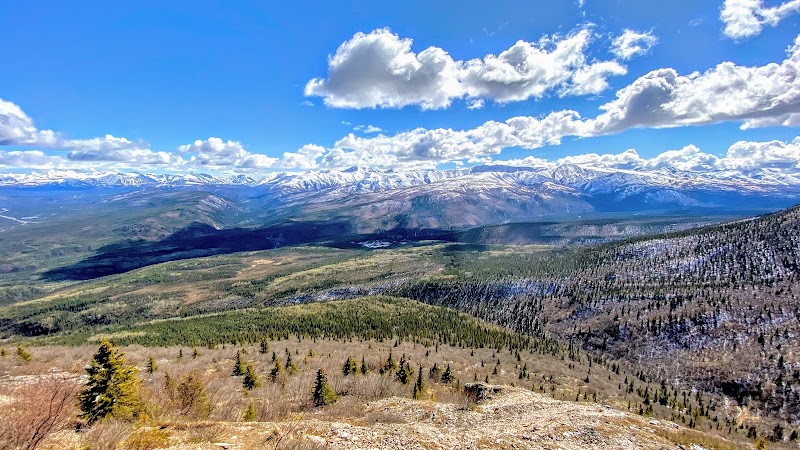
Covering vast distances here means preparation is non-negotiable. The Dalton Highway, a main artery to the Arctic, stretches about 414 miles from the outskirts of Fairbanks to Deadhorse near the Arctic Ocean. These miles cross diverse terrain — frozen tundra giving way to dense boreal forests, gravel tracks that challenge tires, and long stretches where fuel stations are as rare as wandering wildlife.
Effective planning begins with timing: the window for road travel is short, generally from late May to early September, when daylight is generous and the thaw softens the frozen ground. Winter travel is possible but demands specialized equipment and experience with extreme weather, as temperatures can plunge below -40°F, and ice often covers every surface.
Be ready to face the unpredictability of the Arctic winter and shoulder seasons, where roads may be slick with ice or mud. Vehicle checks must be thorough—tires with deep treads and winter-grade oil are essential, alongside emergency supplies including extra fuel, food, water, and navigation aids. The highway’s sparse population means cell reception is unreliable; a satellite communicator could be lifesaving.
Stops along the way are limited but rewarding — townships like Coldfoot offer staged rest from the solitude, and lookout points reveal the land’s unyielding rawness. Wildlife sightings of moose, caribou, and wary foxes are common, reminding you that the Arctic here is alive and watching.
Hydration and nutrition demand attention: dry air and long daylight hours can mask fatigue. Carry ample water and nutrient-rich food to maintain energy. Dress in layers to adjust to sudden weather swings, don insulated boots for walking on roadside gravel, and prepare for wind that can cut sharper than the cold.
Driving pace should respect the unforgiving conditions and long distances. Aim for 250-300 miles max per day to maintain safety while soaking in vast panoramas of wilderness.
Ultimately, a long Arctic road trip from Fairbanks is an encounter with a place that does not apologize for its challenges. It invites adventurers to navigate logistics with care and respect, while rewarding those who answer with unforgettable wilderness, vast skies, and the pulse of a region that is fiercely alive.
Nearby Trips
All Adventures
Boat Charters
Water Activities
Adventures near Fairbanks
Discover the unique and memorable adventures that make Fairbanks special.
Frequently Asked Questions
How often are fuel stations available on the Arctic highway?
Fuel stations are few and far between, often 100 miles or more apart. Planning refueling stops in advance and carrying extra fuel is critical to avoid being stranded.
Is driving in winter feasible on the Dalton Highway?
Winter travel is possible but highly demanding, requiring specialized equipment such as studded tires and a fully winterized vehicle. Road closures and extreme cold add to the challenge, so only experienced winter drivers should attempt it.
What wildlife might I see along the route?
Moose, caribou, Arctic foxes, and occasional wolves patrol these roadsides. Migratory birds are abundant in summer, while fall offers chances to see bears preparing for hibernation.
Are there any cultural or historical landmarks along the route?
Yes—Coldfoot and Wiseman are former mining towns with small museums offering insights into early Arctic exploration and mining heritage. These communities also provide vital rest points for travelers.
How reliable is cellphone coverage on this trip?
Cell coverage is extremely limited outside Fairbanks and a few small towns. Travelers should not rely solely on phones and bring satellite communication devices for safety.
What are some lesser-known viewpoints or stops on this route?
Look for viewpoints near Atigun Pass for wide vistas of mountain ranges and tundra, as well as the Yukon River crossing, where the river seems to test your resolve as you navigate alongside its currents.
Recommended Gear
All-Terrain Tires
Handles the gravel and uneven surfaces common on Arctic roads, reducing the risk of flats.
Satellite Communicator
Ensures communication in areas lacking cell service for emergency situations.
Layered Thermal Clothing
Adjustable to shifting temperatures from day to night and between driving and walking.
Portable Fuel Container
Stores extra fuel for long stretches between stations, critical for remote highway travel.
Local Insights
Hidden Gems
- "Atigun Gorge viewpoint"
- "Yukon River ferry crossing area"
- "Small mining artifacts in Wiseman"
- "Lesser-used side trails near Coldfoot"
Wildlife
- "Moose"
- "Caribou"
- "Arctic fox"
- "Golden eagles"
- "Migratory birds"
History
"The Dalton Highway was built as a supply route to the Prudhoe Bay oil fields and follows indigenous trails used for centuries. Small settlements along the road carry stories of miners and explorers who braved this fierce land."