Capture the delicate dance of Arctic Grayling under Alaska's twilight with insightful tips and responsible practices. This guide prepares you to navigate rugged trails, master low-light photography, and respect a fragile aquatic world.
Pack for Variable Weather
Alaskan twilight means temperatures can shift rapidly—layer your clothing to manage chill and warmth comfortably.
Use a Polarizing Filter
Cut reflections and enhance water clarity for sharper images of Arctic Grayling in their natural habitat.
Respect Spawning Areas
Avoid areas where Grayling lay eggs; even slight disturbances can harm fish populations.
Stay Hydrated
Carry at least two liters of water; the trail's exertion combined with cool air can mask dehydration signs.
Chasing Arctic Grayling in Alaskan Twilight: Photography Tips and Ethical Practices

Evening Fly Fishing
Spend an evening with Denali's most Experienced Fishermen
Discover the peaceful thrill of fly fishing at dusk in Denali National Park. This private evening experience offers stunning scenery and the chance to catch native Alaskan trout with expert guides by your side.
As twilight casts its quiet glow over Alaska's rippling streams, the Arctic Grayling emerges—its iridescent fins flickering under the fading light. Photographing these elusive fish is a rewarding challenge, inviting you to engage deeply with a landscape fiercely itself: wild, raw, and rich with life. This isn’t just about snapping a photo; it’s about moving thoughtfully through an environment that dares you to observe without disturbance.
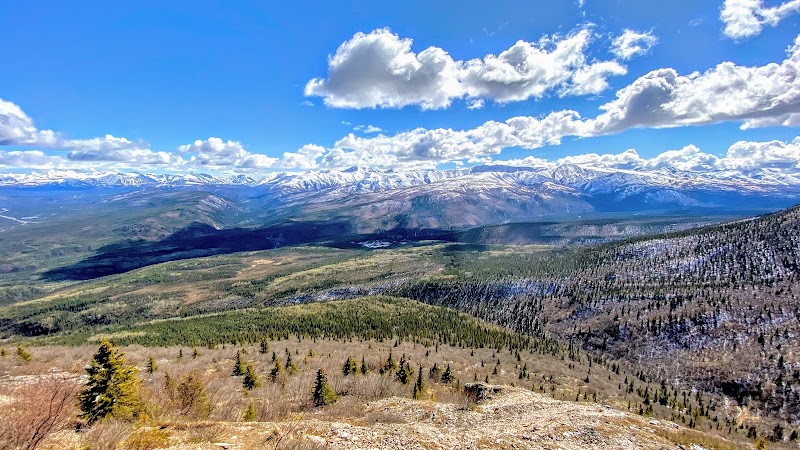
To reach the prime spots for Arctic Grayling photography, be prepared for a moderate hike—expect roughly 5 miles round trip with an elevation gain of about 800 feet. The trail weaves through spruce forests where shadows lengthen early, crossing streams that encourage careful balance and steady footing. Your reward? Crystal-clear waters hosting shimmering Grayling, their sails catching the last light.
Timing is everything. The hours of Alaskan twilight stretch wide in summer, offering soft, diffuse light perfect for capturing the fish’s subtle colors and water reflections without harsh contrasts. Aim for late evening, when the sun is low but the sky still pulses with color. Mid-June through early August provides the best window—not only for lighting but for Arctic Grayling activity.
Gear your camera with a polarizing filter to cut glare from the water’s surface and a macro or telephoto lens to capture details without disturbing the fish. Bring waterproof boots and a lightweight tripod—steady shots require patience where the river dares to move beneath your feet.
Ethics anchor every frame you take. Respect the Grayling’s fragile habitat. Avoid dragging gear through spawning grounds or chasing fish with flash or loud noises. Approach slowly, minimize shadows in the water, and never touch or remove fish from their environment. The goal is to immortalize the moment without compromising it—giving these fish room to be fiercely themselves.
Hydration and layered clothing are practical musts. Morning chills give way to warmer evenings, but unpredictable weather demands readiness. Carry at least two liters of water, wear moisture-wicking fabrics, and pack a windproof jacket.
This adventure combines a practical approach with awe—offering a real sense of place without gloss. Step lightly, breathe deeply, and let the Alaskan twilight guide your lens as you capture the Arctic Grayling’s quiet spectacle.
Nearby Trips
All Adventures
Boat Charters
Water Activities
Adventures near Fairbanks
Discover the unique and memorable adventures that make Fairbanks special.
Frequently Asked Questions
When is the best time to photograph Arctic Grayling in Alaska?
The late evening hours during summer months, especially June through early August, are optimal. Twilight lighting enhances the fish’s colors and reduces harsh reflections, making for superior image quality.
How close can I safely get to Arctic Grayling without disturbing them?
Maintain a distance of at least 10 to 15 feet. Use telephoto or macro lenses to capture detail without invading their space, as sudden movements or shadows can stress the fish.
Are there specific stream conditions preferred by Arctic Grayling?
Yes, they favor clear, cold, well-oxygenated waters with gentle currents. Look for shallow riffles where their distinctive dorsal fins briefly break the water.
What ethical considerations should I follow while photographing these fish?
Avoid flash photography, minimize noise, do not touch or remove fish from water, and steer clear of spawning grounds to protect both individuals and broader populations.
How physically demanding is the hike to Arctic Grayling habitats?
The hike is moderate with 5 miles round trip and roughly 800 feet elevation gain. It requires steady footing on sometimes slick terrain and creek crossings.
Are insects a concern during this hike?
Yes, mosquitoes and black flies are common at dusk through summer, so insect repellent and protective clothing are recommended.
Recommended Gear
Waterproof Hiking Boots
Protects feet when crossing streams and walking damp terrain common in Alaskan twilight hikes.
Polarizing Camera Filter
Reduces glare on water surfaces, helping capture clear, vivid images of Arctic Grayling.
Layered Clothing
Quickly adapts to fluctuating temperatures and biting insects during evening shoots.
Lightweight Tripod
Stabilizes your camera for sharp images in low light, useful when shooting long exposures in twilight.
Local Insights
Hidden Gems
- "A rocky outcrop above the main trail offers sweeping views of adjacent streams where Grayling congregate in lesser-visited pools."
- "A small side trail leads to a moss-lined creek known for unusually clear water perfect for reflective photography."
Wildlife
- "Besides Arctic Grayling, watch for moose drinking at dawn and salmon spawning later in summer."
- "Birds such as bald eagles and river otters often patrol nearby waters, adding wildlife interest."
History
"Indigenous peoples of the interior Alaska region have traditionally relied on Grayling and other fish species for subsistence, imbuing local waterways with cultural importance."