
Oregon’s scenic waters offer year-round thrills for the angler ready to read changing seasons and adapt. From spring runoff to winter chill, understanding each shift is key to effective trolling and rewarding catches.
Monitor Water Temperature Closely
Fish respond rapidly to water temperature changes. Use a water thermometer or your fishfinder’s temp readings to adjust trolling depths and lure types.
Adjust Trolling Speed Seasonally
Spring and fall require slower speeds to match fish sluggishness in cooler water; summer calls for lighter presentations and subtle movements.
Dress in Layers and Prepare for Weather Swings
Oregon weather can shift quickly; waterproof jackets and quick-drying layers keep you comfortable and focused on fishing, whatever the conditions.
Use Electronics to Spot Structure and Temperature Breaks
Fish congregate near drop-offs and thermal edges; sonar and GPS technology help identify these productive zones for efficient trolling.
Mastering Seasonal Shifts for Trolling Success on Oregon’s Scenic Waters

Trolling Trip - 4 Hour
4 Hours • Ages 6+
Join FV Outta Line in Destin for a fast-paced 4-hour trolling trip. Perfect for anglers of all levels, this adventure offers a chance to hook into Gulf Coast game fish and enjoy the open water with a skilled crew by your side.
Oregon’s vast network of lakes and rivers offers unmatched opportunities to troll for trout, salmon, and steelhead. Yet, these waters are far from static—they pulse with seasonal changes that alter fish habits and water behavior. To troll effectively, anglers must move beyond chasing fish and embrace the rhythm of changing conditions. Spring brings melting snow runoff that expands rivers and chills waters, pushing fish into slower, deeper currents where trolling lures along drop-offs find their mark. Summer sun warms shallow bays and calms the surface, demanding lighter tackle and slower trolling speeds to tempt fish patrolling weed beds. Fall’s cool, crisp air sharpens fish activity near river mouths; ripples and rising winds demand strategic lure placement around natural cover. Winter is a test of patience; fish turn lethargic in cold water but still respond to slow, steady presentation near deep holes and sheltered bays.
Reading the water means watching for signs of temperature shifts, flow changes, and weather—each cues that drive fish movement. River currents daringly shift; a sudden rise might push salmon upriver, while clear lakes reflect a starker challenge: fish grow wary under bright light. Gear adjustments, from lure color to trolling speed and depth, align with these shifts. Using electronics to track underwater structure and temperature gradients adds precision to the hunt, connecting you directly with the fish’s changing domain.
Plan your trips with season’s pulse in mind. Arrive early or late in the day when fish roam the shallows with more confidence. Wear adaptable layers as Oregon’s weather can flip within hours, and keep tackle accessible for quick swaps. Hydration and sun protection remain essentials year-round but tweak your plans for fluctuating conditions—heavy rain calls for waterproof gear, while wind demands a secure boat setup.
The adventure of trolling on Oregon’s scenic waters is a conversation with nature fiercely itself. With respect and understanding of seasonal patterns, the angler steps into a dynamic exchange with rivers and lakes that challenge and reward. Prepare well, adapt swiftly, and let each season guide your pursuit of the catch.
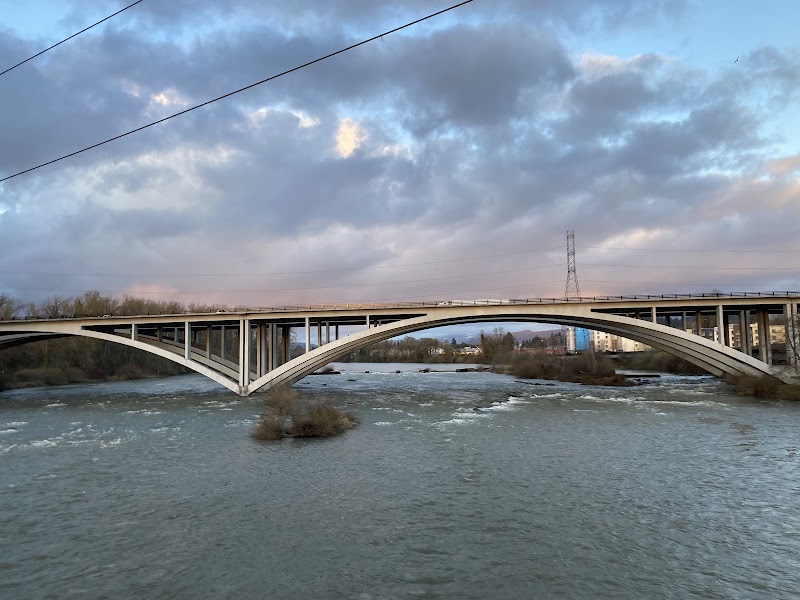
Nearby Trips
All Adventures
Boat Charters
Water Activities
Adventures near Eugene
Discover the unique and memorable adventures that make Eugene special.
Frequently Asked Questions
What is the best lure type for spring trolling on Oregon waters?
During spring’s cold runoff, medium sinking lures that can reach deeper drop-offs work well. Bright colors help offset cloudy water after rain, while natural shades suit clearer conditions.
How does summer heat affect trolling strategies?
Summer warms shallow cruising zones and slows fish metabolism. Use lighter gear and troll slowly near weed beds or shaded areas where fish rest and hunt.
Are there specific times of day that improve trolling success?
Early morning and late afternoon often bring cooler water temps and active fish moving into shallows. Midday can be slower, so timing your runs with these windows is recommended.
What safety precautions should I take when trolling in high runoff conditions?
Strong currents and debris during high runoff can be hazardous. Ensure your boat is well-maintained, wear a life jacket, and monitor weather and river gauges closely.
Can I troll alone on Oregon’s rivers and lakes?
While solo trolling is possible, it requires solid boating skills and safety prep. Carry communication devices, inform someone of your plans, and avoid risky water conditions.
How do seasonal changes affect local wildlife apart from fish?
Migratory birds increase in spring and fall, while waterfowl are abundant on lakes in winter. Be mindful of nesting sites and wildlife corridors near fishing spots.
Recommended Gear
Layered Clothing System
Adaptable layers for shifting temperatures and wet conditions keep you comfortable and agile throughout the day.
Waterproof Jacket
Rain and runoff are common; waterproof gear protects against chilling wetness during spring and fall excursions.
Fishfinder with GPS
Crucial for locating underwater structure, tracking temperature breaks, and navigating Oregon’s often complex waterways.
Adjustable Trolling Rod and Reels
Versatile tackle able to swap lures and adjust drag enhances your ability to match tactic and target by season.
Local Insights
Hidden Gems
- "Walton Lake's secluded coves offer prime trolling spots with less boat traffic."
- "The shallow bays of Dexter Reservoir reveal unexpected early spring runs near brush-covered banks."
Wildlife
- "Osprey nests near riverheads signal healthy fish populations."
- "Beaver activity can alter waterways rapidly, creating fresh fishing structure."
History
"The Willamette Valley rivers were traditional fishing grounds for the Kalapuya people, whose seasonal knowledge continues to influence sustainable practices today."