Seasonal Gear Essentials for Custom Rocky Mountain National Park Tours from Estes Park
Rocky Mountain National Park invites outdoor enthusiasts to experience its changing seasons through customized tours. From spring's thaw to winter's frost, knowing what gear to carry is essential for a safe, rewarding adventure in this dynamic mountain environment.
Layer Wisely for Changing Mountain Weather
Temperatures fluctuate quickly in Rockies; mix moisture-wicking base layers, insulating mid-layers, and waterproof shells to stay comfortable all day.
Hydrate Regularly and Carry Extra Water
Mountain air is dry, and elevation increases dehydration risk. Bring at least 2 liters, and use water purification for natural sources.
Choose Sturdy Footwear with Good Traction
Trails can be rocky or muddy depending on season; ankle support and waterproofing prevent injury and discomfort.
Start Early to Avoid Afternoon Weather Shifts
Storms often arrive by afternoon; beginning hikes in the morning maximizes clear skies and safe conditions.
Seasonal Gear Essentials for Custom Rocky Mountain National Park Tours from Estes Park

Rocky Mountain National Park Private 6 Hour Tour
All ages welcome • 6 hours • Pickup offered
Embark on a personalized 6-hour guided adventure through Rocky Mountain National Park. Discover breathtaking mountain vistas, vibrant wildlife, and hidden gems tailored to your interests—all with expert guidance. Perfect for outdoor lovers seeking an unforgettable Colorado experience.
Embarking on a customized tour through Rocky Mountain National Park from Estes Park means meeting a landscape that shifts with every season, each demanding specific gear to navigate trails that challenge and reward in equal measure. The mountains don’t wait for anyone; their forests rustle with brisk autumn winds, rivers dare you to cross in summer’s surge, and winter crests present frozen puzzles. Preparation, then, is your ticket to fully engaging with this fiercely independent environment.
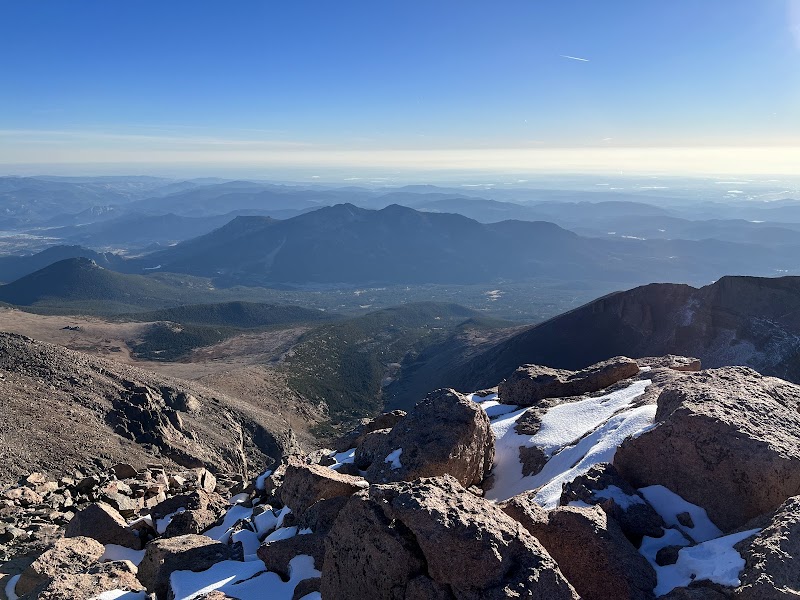
Spring ushers in muddy trails, lingering snow patches, and brisk air climbing alongside wildflowers finding their footing on the tundra. Lightweight waterproof layers and sturdy hiking boots with good traction become your companions as elevation gains average 1,000 to 2,000 feet over moderate terrain.
Summer hikes reward you with clear skies and longer days but bring intense sun that presses the alpine tundra. A wide-brim hat, sunglasses, and a hydration system capable of holding 2 liters or more are practical necessities. Trails range from gentle forested paths like Bear Lake (0.6 miles, easy) to more demanding climbs such as the 8.9-mile hike to Sky Pond, involving 1,800 feet of elevation gain and rocky, uneven terrain.
Fall offers crisp air and vivid foliage painting the park in shades of gold and rust. Early frost can trick unwary hikers, so layering is crucial — a thermal base and windproof outerwear work best. Expect variable trail conditions, especially past the treeline, with moderate to challenging routes like the 6.7-mile Cub Lake Loop offering both forest paths and open meadows.
Winter tours are a measured confrontation with the mountain’s frozen side. Snowshoes or crampons transform the trails, and insulated layers, plus waterproof outer shells, keep you moving against biting winds. Daylight shrinks, so plan hikes accordingly, such as the short but steep hike to Alberta Falls (1.6 miles round trip).
Regardless of season, the park’s terrain demands sturdy, broken-in footwear with ankle support to handle rocky, sometimes slippery conditions. A layered clothing system offers the flexibility to respond to rapidly changing mountain weather that can alter in minutes. Hydration and snacks fuel your ascent—water sources run cold and crisp but can be scarce at higher elevations.
Every step invites engagement with nature’s personality: rivers push forward in playful insistence, pine trees whisper secrets in the wind, and the mountains stand fiercely themselves, waiting for you to match their respect and care. Such tours combine practicality with exhilaration—gear not as a burden, but as an enabler of a safe and fulfilling mountain experience.
Planning your customized Rocky Mountain tour around these gear essentials tailored to the season ensures you meet the park at its best, ready for the adventure and challenges it presents.
Nearby Trips
All Adventures
Boat Charters
Water Activities
Adventures near Estes Park
Discover the unique and memorable adventures that make Estes Park special.
Frequently Asked Questions
What are the must-have gear items for spring hikes in Rocky Mountain National Park?
Waterproof boots to manage muddy trails, multiple layers to adapt to fluctuating temperatures, and trekking poles can help with slippery patches and elevation. Also, bring water-resistant gloves and hat for cold mornings.
How do I prepare for sudden afternoon thunderstorms?
Start hikes early to avoid storms, carry a lightweight waterproof jacket, and monitor weather forecasts. Avoid high ridges during lightning and seek lower elevations if storms approach.
Are there any unique wildlife species I should look out for?
Watch for elk, particularly in fall during the rut, as well as marmots sunbathing near alpine lakes. Keep a respectful distance and be aware that animals interact actively with the environment.
What lesser-known viewpoints should I include on my custom tour?
Consider Gem Lake for rewarding views with fewer hikers and Lily Mountain for panoramic vistas without the usual crowds. Both spots combine moderate effort with scenic payoff.
Can I rely on natural water sources to refill during hikes?
Natural water is cold and refreshing but always treat it via purification methods since mountain streams may carry bacteria or parasites, especially after spring runoff.
How do I minimize environmental impact while hiking here?
Stay on marked trails to protect fragile alpine plants, pack out all waste, respect wildlife by observing from a distance, and avoid picking wildflowers or disturbing natural features.
Recommended Gear
Waterproof Hiking Boots
Provide traction and protect feet from wet or rocky terrain year-round.
Layered Clothing System
Facilitates adjustments to shifting temperatures with base, insulating, and waterproof layers.
Hydration Pack or Water Bottles
Critical for maintaining hydration in dry mountain air and during vigorous activity.
Snowshoes or Crampons
Necessary for traction and safety on snow-covered or icy winter trails.
Local Insights
Hidden Gems
- "Gem Lake - a serene spot with fewer visitors and unique rock formations"
- "Lily Mountain - offers sweeping valley views without the crowds"
- "Wild Basin Area - less trafficked, with striking waterfalls and diverse terrain"
Wildlife
- "Elk - especially visible during fall rut with distinctive bugling"
- "Marmots - often sunbathe on rocks near alpine lakes in summer"
- "Pikas - elusive but vocal, found in rocky talus slopes"
History
"Rocky Mountain National Park was established in 1915, with Estes Park serving as the gateway town. Historically, the area was home to Ute tribes and became a hub for early 20th-century outdoor exploration."