Packing Smart for a Mountain-Town Food Tour in Estes Park, CO
Estes Park offers a rare blend of mountain adventure and a vibrant local food scene. Whether you're hiking forested trails or sampling mountain-town flavors, packing smart is essential to enjoy both comfortably and confidently.
Choose Footwear for Terrain
Wear hiking boots or trail shoes with solid tread and ankle support to handle mixed dirt and rocky paths common around Estes Park.
Hydrate Consistently
Bring at least 2 liters of water with a filter option or use refill stations to stay hydrated in the dry mountain air.
Time Your Food Tour Early or Late
Visit popular eateries during off-peak hours to avoid crowds and have a relaxed meal after your hike.
Layer for Quick Weather Changes
Mountain weather shifts rapidly; pack a moisture-wicking base, fleece mid-layer, and windproof jacket to stay comfortable.
Packing Smart for a Mountain-Town Food Tour in Estes Park, CO
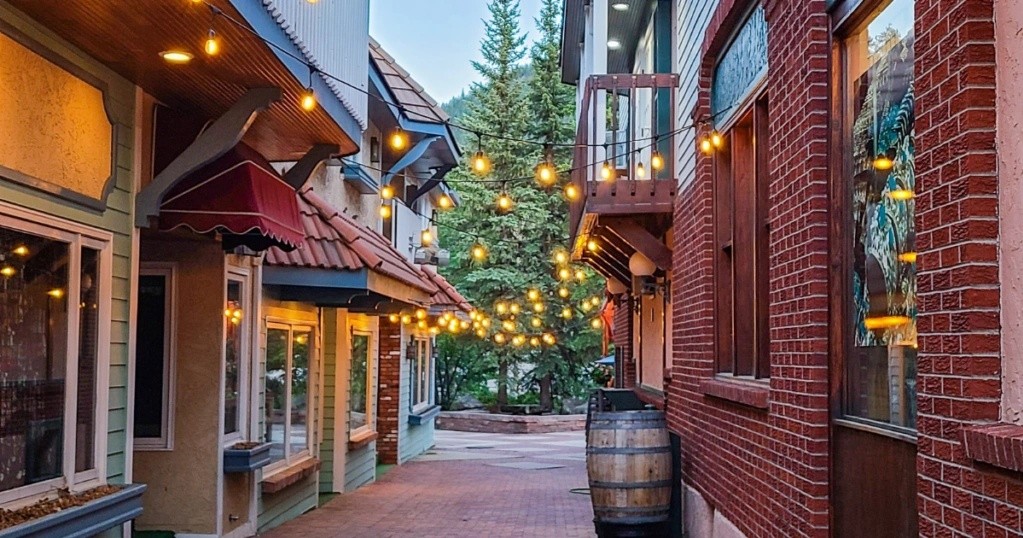
Food & Drink Tour
21+
Discover the flavors of Colorado on a private Food & Drink Tour through Estes Park. Taste local goodies, uncover hidden culinary gems, and enjoy an authentic mountain town experience with expert guides.
Exploring Estes Park's culinary scene paired with mountain hikes offers a unique way to experience Colorado’s rugged beauty. Before hitting its forested trails and local eateries, packing smart is key to managing both outdoor challenges and urban appetites. From rugged boots that grip the uneven terrain to versatile layers that adjust to shifting mountain weather, each item plays a role in ensuring you stay comfortable and ready for both trail and table. Expect to tackle hikes averaging 3-6 miles with elevation gains of 500-1,200 feet — enough to work up an appetite but accessible to a broad audience.
Start with footwear. Trail shoes or lightweight hiking boots with good ankle support and solid tread will keep your footing sure on dirt paths that lace through pine and aspen groves. Estes Park's mountain air cools quickly, especially late afternoon, so packing a moisture-wicking base layer beneath a fleece or down jacket is smart; the weather in the Rockies can change with little warning, and the wind often dares you to stay exposed.
Hydration matters as much on the trail as it does while waiting in line at local cafes. A reusable water bottle with a built-in filter or hydration pack ensures streams pushing forward nearby don’t tempt you into risky sipping. You’ll want to carry snacks for energy — think trail mix or beef jerky — to keep pace between stops.
Plan your timing alongside Estes Park’s rhythm. Weekends draw crowds to both trails and eateries, so aim for early mornings or weekdays for a quieter experience. A lightweight daypack with compartments for a camera, wallet, and flexible folding map of local food spots lets you toggle seamlessly from hike to lunch.
Don’t forget sun protection. Even with pine cover, the Colorado sun is fierce, pressing down with an intensity that demands sunscreen and a wide-brim hat. Sunglasses matter, too. They'll shield your eyes as you scan sweeping views from trail summits and take in the aroma of roasted coffee and fresh pastries from mountain-town bakeries.
Packing smart is about anticipating the dual nature of this adventure — rugged terrain paired with culinary discovery. Bringing the right gear, layering for weather, and pacing your hike will allow you to fully sink into the day’s flavors and landscapes, ready to encounter this mountain environment fiercely and respectfully, without distraction.
Ultimately, your packing sets the tone: balanced, prepared, and open to the layered rewards of Estes Park's mountain trails and food tour culture.
Nearby Trips
All Adventures
Boat Charters
Water Activities
Adventures near Estes Park
Discover the unique and memorable adventures that make Estes Park special.
Frequently Asked Questions
Are dogs allowed on food tour hikes in Estes Park?
Many trails in Estes Park welcome dogs on leashes, but local eateries vary in pet policies. Plan ahead to ensure each stop is dog-friendly or arrange pet care during meals.
What is the best way to navigate between hikes and food stops?
Estes Park’s downtown area is compact and walkable, but for trails slightly outside town, a car or bike rental is useful to cover distances efficiently.
Are there any local specialties worth prioritizing on a food tour here?
Look for Rocky Mountain trout dishes, elk burgers, and wild berry desserts—the mountain flavors honestly represent Colorado’s environment and heritage.
How do I handle rapidly changing mountain weather while on the food tour?
Layering is vital; always carry a lightweight waterproof jacket and extra warm layers. Check weather forecasts each morning for anticipated shifts.
Is altitude a concern for someone new to Estes Park?
At about 7,500 feet elevation, most visitors may notice mild altitude effects like shortness of breath. Hydrate, pace yourself, and avoid heavy meals right before hikes.
What wildlife might I encounter on these trails?
Expect to see mule deer, chipmunks, and a variety of birds. Black bears are present but generally avoid humans; keep food secured and stay alert.
Recommended Gear
Trail Shoes or Hiking Boots
Provide grip and protection on uneven, sometimes rocky trails common in the forested mountain areas.
Layered Clothing
Adjust to variable temperatures by using moisture-wicking base layers, insulating mid-layers, and waterproof, windproof shells.
Reusable Water Bottle with Filter
Accessible water and filtration allow you to stay hydrated without relying solely on purchased drinks.
Wide-Brim Hat and Sunscreen
Essential for preventing sunburn in the high-altitude sun, even when hiking through shaded forest sections.
Local Insights
Hidden Gems
- "The lesser-known Gem Lake trail offers panoramic views with fewer crowds."
- "Visit Lumpy Ridge formations early morning to catch soft light on the granite spires."
Wildlife
- "Look for the curious Steller’s jay, whose raucous calls echo through the pines."
- "Marmots sun themselves on rocky outcrops along higher elevation trails."
History
"Estes Park’s history stretches back to Native American Ute presence, early settlers, and the rise of tourism tied closely to Rocky Mountain National Park’s establishment in 1915."