Mastering Timing for Prime Trail Conditions in Colorado’s Rocky Mountain National Forest
Rocky Mountain National Forest tests your timing as much as your stamina. Learn how to navigate its seasonal shifts to catch dry trails, vibrant wildlife, and panoramic views at their best—and plan your adventure with practical, actionable trail advice.
Start Your Day Early
Bugs are fewer, temperatures cooler, and trail crowds thinner between dawn and mid-morning, improving both safety and enjoyment.
Hydrate Strategically
Carry at least 2 liters of water and know key refill points like Cub Lake or Lawn Lake for longer hikes during summer heat.
Check Weather Mid-Hike
Mountain weather can shift fast. Portable weather apps or a handheld GPS with alerts help you avoid afternoon thunderstorms.
Wear Trail-Specific Footwear
Choose boots or shoes with ankle support and aggressive tread to handle varied terrain from muddy stretches to rocky ridges.
Mastering Timing for Prime Trail Conditions in Colorado’s Rocky Mountain National Forest

One Day - UTV Adventure Rental
Explore the Rockies!
Ready for an off-road thrill? Discover rugged trails and scenic vistas on a UTV adventure in Lake George, Colorado. Perfect for all skill levels, this experience offers fun, exploration, and unforgettable mountain views.
Colorado’s Rocky Mountain National Forest offers trails where every step engages with an environment fiercely itself—raw, wild, and responsive. To find the optimal trail conditions, mastering timing is essential, turning your hike into a seamless dance with the landscape.
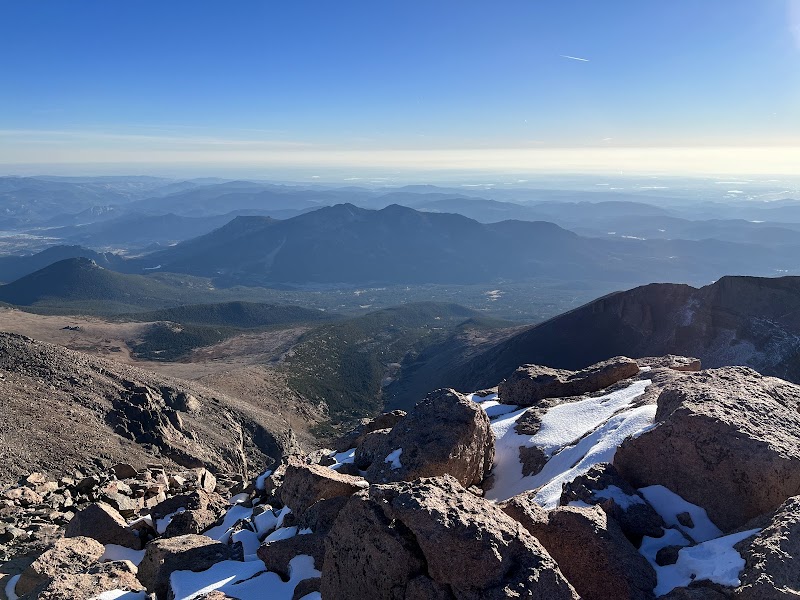
Start planning your trek between late June and early September, when snow has largely retreated and trails open to foot traffic without surprise obstacles. During this window, forested paths breathe with crisp mountain air, while sweeping alpine views unfurl above the tree line. Trails vary widely: consider the Cub Lake Trail (circa 4 miles round trip with moderate elevation gain of about 500 feet) for a balanced adventure through subalpine spruce and fir with a distant glimpse of mountain peaks. Alternatively, the more challenging Skyline Trail pushes roughly 9 miles with 2,000 feet of climb, demanding steady pacing but rewarding with rugged ridgeline panoramas where wind dares to test your resolve.
Early mornings offer cool temperatures and solitude; rivers push forward with extra vigor from overnight snowmelt, their currents daring hikers to navigate strategically placed bridges or stepping stones. Midday heat in summer can quickly sap energy, so pack water-access equipment—hydration packs or reserving time for refills at known springs are key. Footwear with solid grip and ankle support is non-negotiable, as trail surfaces shift from damp soil to rocky stretches without warning.
Avoid late spring and early summer unless you’re prepared for persistent snow patches that cloak higher trails in hidden ice, elevating risk. Fall unveils a shift in pace: golden aspens shimmer along ridges but storms quicken with onset, and shorter daylight demands an earlier start and contingency plans.
Your timing strategy should adapt daily: monitor weather changes closely, start hikes early, and communicate your itinerary to ensure safety. When the forest floor is dry and trails crisp, expect fewer interruptions, but after afternoon rains, steep slopes turn slippery, forcing pause or rerouting.
If you heed these timing strategies, your experience transitions from merely moving through space to a joint venture with the Rockies’ raw forces. Respect their pace, and they’ll reveal moments that blend challenge with awe—dynamic conditions that invite you to meet the mountains on their terms, leaving you better prepared for the next call to adventure.
Nearby Trips
All Adventures
Boat Charters
Water Activities
Adventures near Estes Park
Discover the unique and memorable adventures that make Estes Park special.
Frequently Asked Questions
When is the best time to avoid crowds in Rocky Mountain National Forest?
Early mornings and weekdays from mid-June to early September are quieter. Late spring and fall see fewer hikers overall but trail conditions then can be more challenging.
Are dogs allowed on the trails in Rocky Mountain National Forest?
Yes, dogs are permitted but must be kept on a leash no longer than 6 feet. Always clean up after pets to protect the environment.
What wildlife should hikers expect to encounter?
Elk and mule deer are common, especially in lower elevations at dawn and dusk. Keep an eye out for marmots sunning on rocks and listen for the chuckle of the Steller’s jay among the trees.
Are permits required for day hikes?
Day hiking alone does not require permits, but some areas and trailheads use timed entry permits during busy summer months—check ahead for regulations.
What are some lesser-known viewpoints in the forest?
The upper reaches of the Emerald Lake trail offer quieter spots with sweeping lake views away from the busier Bear Lake area, granting a peaceful vantage for reflection.
How should hikers handle sudden weather changes?
Always carry a waterproof layer and warm clothing, start hikes early, and be prepared to turn back if thunderstorms or rapid temperature drops occur.
Recommended Gear
Sturdy Hiking Boots
Protects ankles and grips uneven, rocky terrain common throughout the forest.
Hydration System
Keeps you hydrated during warm months and avoids dehydration on exposed trail segments.
Layered Clothing
Adapt to fluctuating temperatures and sudden weather changes with base layers and a windproof outer shell.
Trekking Poles
Assist with balance on steep or slippery trails and reduce leg fatigue on longer hikes.
Local Insights
Hidden Gems
- "Emerald Lake upper ridge for panoramic tranquility"
- "Fern Falls off the Cub Lake Trail, less trafficked and lush"
- "Hidden valleys along Wild Basin Road that host surprise wildlife sightings"
Wildlife
- "American pika"
- "Bull elk herds during autumn mating season"
- "Steller’s jays and Clark’s nutcrackers"
History
"The forest was originally inhabited by Ute and Arapaho tribes, who regarded these mountains as sacred hunting grounds. Later, miners and settlers carved trails that modern hikers now traverse."