Mastering Comfort and Safety on Colorado’s Mountain Passes
Crossing Colorado's mountain passes delivers crisp air, sweeping views, and well-earned triumph. This guide equips adventurers of all levels with practical tips to stay comfortable and safe while navigating high elevation trails marked by shifting weather and rugged terrain.
Start Early to Avoid Afternoon Storms
Begin your hike within an hour of sunrise to bypass typical summer afternoon thunderstorms common at higher elevations.
Wear Layered Clothing
Utilize moisture-wicking base layers, insulating mid-layers, and a windproof shell to adjust comfort amid sharp temperature and wind changes.
Carry Adequate Water and Electrolytes
Bring at least two liters of water and use electrolytes to combat accelerated dehydration caused by altitude and dry air.
Use Trekking Poles for Stability
Poles help reduce impact on knees during steep descents and offer balance on uneven, rocky sections of the trail.
Mastering Comfort and Safety on Colorado’s Mountain Passes

Private Day Trip to Denver, Red Rocks, Mount Evans, and Idaho Springs.
Starting at $570 | 8- Hours | All Ages | Experience breathtaking views from the top of Mt Evans!
Discover Colorado's highlights on a private day tour that combines stunning mountain vistas, iconic landmarks, and outdoor relaxation. Perfect for nature lovers and history buffs alike, this trip offers a personalized adventure you won't forget.
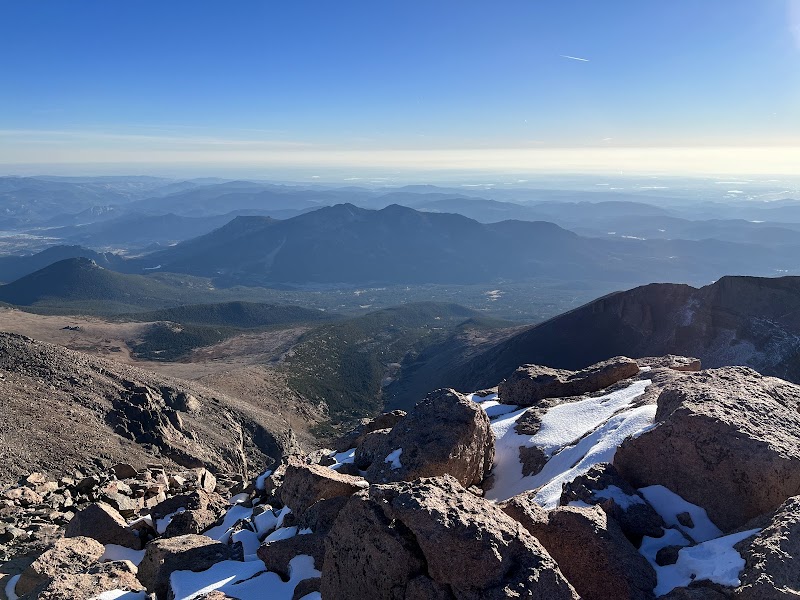
Crossing mountain passes in Colorado offers a compelling mix of rugged challenge and breathtaking scenery. Each step on these trails tests endurance and decision-making, making comfort and safety indispensable. Passes like Loveland, Loveland Ski Area trails, and Trail Ridge Road routes feature elevations often exceeding 11,000 feet, with elevation gains ranging from 1,500 to 3,000 feet depending on the route. The terrain varies from rocky switchbacks to forested clings, where pine trees lean into the wind and the air sharpens your focus. To optimize your experience, starting early avoids afternoon storms and ensures cooler temperatures, especially important above treeline where weather can turn fiercely and without warning.
Footwear with solid ankle support and a stiff sole helps navigate uneven, rocky trails that can challenge balance. Layering clothes is critical: the sun dares to burn on exposed ridges while winds push at you relentlessly, so breathable moisture-wicking base layers paired with a windproof shell create a buffer against these forces. Hydration cannot be overstressed—high altitude accelerates dehydration quietly. Carry at least two liters of water and use electrolyte supplements to maintain balance.
Watch for trail markers; mountain air sometimes distorts perception, making wayfinding a mental exercise. Use a map or GPS, but also read the landscape—ridges and tree lines tell their own stories about direction and shelter. Breaks in shaded areas allow your lungs to rest and your heartbeat to slow, lending focus to the push ahead. Remember the pass is not to be conquered, but respected—fast descents strain knees and require controlled footing. Trekking poles help distribute effort and increase stability.
Safety is about preparation and respect. Monitor weather closely before and during your hike, as afternoon thunderstorms are common from June to September. Be alert for wildlife—mountain goats and marmots claim these heights and might get curious or defensive. Practice Leave No Trace principles: high-traffic passes wear thin, so stay on trails and pack out all waste. Planned well, your journey over Colorado’s mountain passes becomes not just a hike, but a dialogue with a landscape fiercely itself and ready to meet you on your terms.
Nearby Trips
All Adventures
Boat Charters
Water Activities
Adventures near Estes Park
Discover the unique and memorable adventures that make Estes Park special.
Frequently Asked Questions
What are some lesser-known viewpoints along Colorado’s mountain passes?
Look for side trails off Loveland Pass where small clearings offer intimate views of the Rockies’ rugged ridges without the crowds. Around Trail Ridge Road, the hidden overlook at Many Parks Curve provides panoramic valleys framed by jagged peaks.
Which wildlife species should I watch for on these trails?
Keep an eye out for mountain goats carelessly navigating cliffs, marmots sunning on rocks, and, occasionally, elk grazing at lower elevations near forest edges—always maintain distance and respect their space.
How does altitude affect safety during these hikes?
Altitude reduces oxygen availability, causing quicker fatigue, dizziness, or headaches. Move at a steady pace, stay hydrated, and acclimate by spending time at moderate elevations before attempting the pass.
Are there historical or cultural sites around these mountain passes?
Loveland Pass was part of early Colorado mining routes and evokes stories from mining boom days. Nearby Estes Park has preserved structures and museums narrating mountain settlement history.
What environmental considerations should hikers observe here?
Mountain passes have fragile alpine ecosystems. Stick to established trails to prevent erosion, avoid disturbing wildlife, and minimize noise to preserve the natural quiet.
What should I do if weather deteriorates while on the pass?
Seek natural shelter such as dense stands of evergreens or rock formations. Avoid exposed ridges during electrical storms, and always monitor weather updates to plan and retreat safely as needed.
Recommended Gear
Hiking Boots with Ankle Support
Provides stability and protection against uneven, rocky terrain common on mountain passes.
Layered Clothing System
Allows you to adapt to rapidly shifting temperatures and weather conditions, balancing warmth and breathability.
Trekking Poles
Aid in balance and reduce strain on joints during steep ascents and descents.
Hydration Pack or Water Bottles
Ensures you maintain hydration at high altitudes where dehydration occurs faster.
Local Insights
Hidden Gems
- "The outcrop near Loveland Pass known as the “Eagle’s Perch” offers quiet solitude with a commanding north-facing view of the Gore Range."
- "Forest sections of the pass trails reveal unexpected clusters of native wildflowers rarely seen from main viewpoints."
Wildlife
- "Mountain goats navigate steep ledges with ease and can be spotted early morning."
- "Pikas, small alpine mammals, send sharp whistles from rocky talus slopes, a sound that punctuates the quiet."
History
"Loveland Pass was a key route before tunnels mitigated snow hazards on high-elevation highways. The route witnessed miners and early settlers battling terrain and weather to open Colorado’s interior."