Navigating Wildlife Sightings on Rocky Mountain National Park Tours from Estes Park
Experience the thrill of wildlife sightings in Rocky Mountain National Park just outside Estes Park, CO. This guide offers practical advice on how to safely and respectfully navigate encounters with elk, bears, and other animals while exploring stunning alpine trails.
Maintain Safe Viewing Distances
Keep at least 100 yards away from bears and wolves, and 25 yards from other animals to avoid stressing wildlife and ensure your safety.
Time Your Hike for Early Mornings or Evenings
Wildlife tends to be most active at dawn and dusk, so plan your hikes accordingly for the best chance to see animals in their natural activity without midday heat interference.
Carry Bear Spray and Know How to Use It
In spring and early summer, bears increase activity—having bear spray accessible and understanding its use can prevent dangerous encounters.
Stay on Designated Trails
Following marked paths protects fragile habitats and reduces encounters with wildlife during vulnerable periods like mating or feeding.
Navigating Wildlife Sightings on Rocky Mountain National Park Tours from Estes Park

Rocky Mountain National Park Private 6 Hour Tour
All ages welcome • 6 hours • Pickup offered
Embark on a personalized 6-hour guided adventure through Rocky Mountain National Park. Discover breathtaking mountain vistas, vibrant wildlife, and hidden gems tailored to your interests—all with expert guidance. Perfect for outdoor lovers seeking an unforgettable Colorado experience.
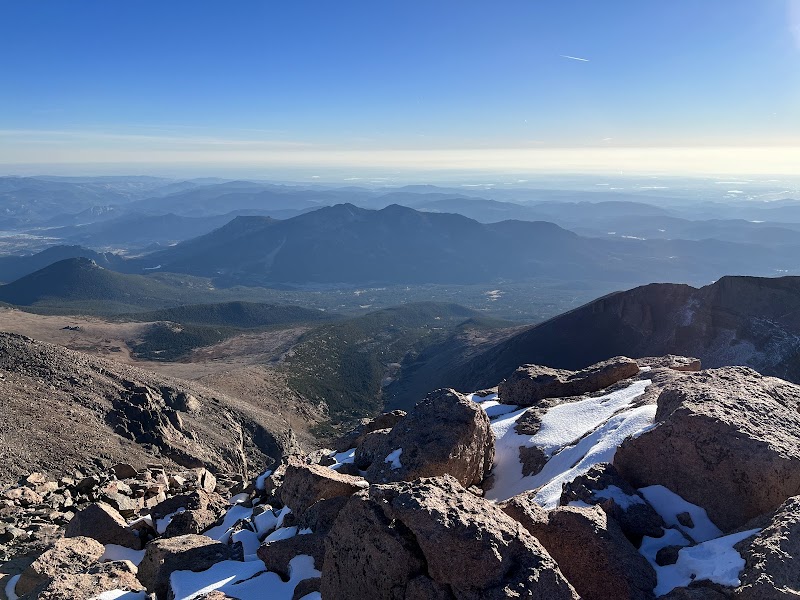
Rocky Mountain National Park presents a wild frontier where elk bugles echo through spruce and fir, and curious mule deer pause on alpine trails. For visitors based in Estes Park, the proximity offers a practical gateway to encounters with nature’s most enduring residents — but managing these sightings requires more than luck. As you ascend rugged paths with elevations climbing up to 12,000 feet, the landscape itself commands respect, shifting from dense forests to tundra with sweeping views that challenge both body and perception.
Wildlife here is fiercely independent — elk, bighorn sheep, and black bears move on their own timelines, steely-eyed and wary of intrusion. To handle sightings calmly, preparation is key: maintain a safe distance (at least 100 yards from bears and wolves, 25 yards from other wildlife) and use binoculars or telephoto lenses to observe without disturbance. Quiet patience heightens the experience, letting natural sounds of rattling branches and distant calls guide you rather than interrupting the scene.
Key routes like the Bear Lake to Alberta Falls loop offer moderate hikes (5.4 miles round trip, about 550 feet elevation gain) through forested trails where elk graze at dawn and dusk, the light catching on dew-drenched grass. Early mornings and late afternoons bring the best chances for sightings; midday heat pushes animals to shaded silence. Pack well: sturdy footwear handles uneven terrain, while water and snacks fuel your stamina without forcing a scramble to return.
Keep safety top of mind—bears are more active in spring and early summer. Use bear spray, know how to store food safely, and avoid sudden movements. Rangers recommend staying on marked trails to avoid disrupting mating or feeding territories. This park’s wildness is not conquered but engaged, a dynamic relationship where you follow the rhythms of the environment rather than imposing your own.
In all seasons, the park offers sensory rewards: the crunch of pine needles underfoot, the crisp chill of mountain air daring you upward, and the sky’s vastness opening as you climb. Wildlife sightings become moments of connection—a fleeting glance exchanged with bighorn sheep on rock faces or a herd of elk slipping quietly through twilight. Plan your trip with respect and readiness, and Rocky Mountain National Park will unfold as a living, breathing wilderness eager to reveal itself to those ready to listen and watch carefully.
Nearby Trips
All Adventures
Boat Charters
Water Activities
Adventures near Estes Park
Discover the unique and memorable adventures that make Estes Park special.
Frequently Asked Questions
What is the best time of day to spot wildlife in Rocky Mountain National Park?
Early mornings and late afternoons are optimal. Wildlife is most active during these cooler, quieter periods, while midday heat usually drives animals into shaded refuge.
How close can I safely approach animals while hiking?
The park advises staying at least 100 yards away from bears and wolves, and 25 yards away from other animals. This reduces stress on wildlife and keeps hikers safe.
Are there specific trails better for wildlife sightings?
The Bear Lake and Glacier Gorge areas are known for frequent elk and deer sightings. The less trafficked Wild Basin area also offers good opportunities in a quieter setting.
What precautions should I take regarding bears?
Carry bear spray, hike in groups when possible, make noise to avoid surprising bears, and know how to use the spray. Food should be stored according to park regulations to avoid attracting bears.
Can I feed or touch the wildlife if I see them?
No. Feeding wildlife alters their natural behavior and can be dangerous for both animals and humans. Touching animals can spread disease and should be strictly avoided.
Are there ranger-led tours focused on wildlife watching?
Yes, the park offers interpretive wildlife programs seasonally, which provide expert guidance and increase chances of safe, informed viewing.
Recommended Gear
Sturdy Hiking Boots
Provides ankle support and traction for rocky, uneven terrain common in Rocky Mountain trails.
Bear Spray
A critical safety tool for deterring aggressive bears, especially from spring through early summer.
Layered Clothing
Mountain weather changes rapidly; layers keep you prepared for fluctuating temperatures and wet conditions.
Binoculars or Telephoto Lens
Allows close and safe wildlife observation from a distance, minimizing disturbance.
Local Insights
Hidden Gems
- "Black Lake for quiet bighorn sheep views"
- "Alberta Falls at twilight to catch elk movement"
- "Ouzel Falls trail for remote deer sightings"
- "Hidden Meadows near Sprague Lake – prime birdwatching"
Wildlife
- "Elk are especially noticeable during fall rut season"
- "Mule deer and moose frequent lower elevation wetlands"
- "Mountain lions are elusive but present—stay alert"
- "Pika and marmots active on rocky talus fields"
History
"Rocky Mountain National Park was established in 1915, preserving diverse ecosystems and native wildlife integral to Native American heritage and early settlers' histories around Estes Park."