
Dressing for Success on Advanced Hikes in Estes Park, CO
Tackling advanced hikes in Estes Park demands smart preparation and the right gear. This guide equips you with practical advice on layering, footwear, and hydration to face high elevations and shifting weather, helping you navigate trails where nature challenges every step.
Adapt Layers for Rapid Weather Changes
Use moisture-wicking base layers, insulating mid-layers, and windproof shells to handle sharp temperature swings on high-altitude trails.
Choose Trail Shoes with Strong Grip and Support
Select footwear designed for rugged, rocky terrain with ankle support to reduce injury risk on uneven surfaces.
Start Early to Avoid Afternoon Storms
Begin hikes before sunrise to take advantage of cooler temperatures and reduce exposure to afternoon thunderstorms common in the Rockies.
Carry and Manage Hydration Strategically
Bring at least 3 liters of water and plan for refills; altitude and exertion increase dehydration risks.
Dressing for Success on Advanced Hikes in Estes Park, CO

Tundra Tours; Hike Farther 2.0
Disappear from the crowds
Discover the thrill of tackling new heights with Tundra Tours' Hike Farther 2.0 in Estes Park. Surrounded by breathtaking mountain scenery, this guided hike offers both challenge and natural beauty. Read on to find out what makes this Colorado adventure so special.
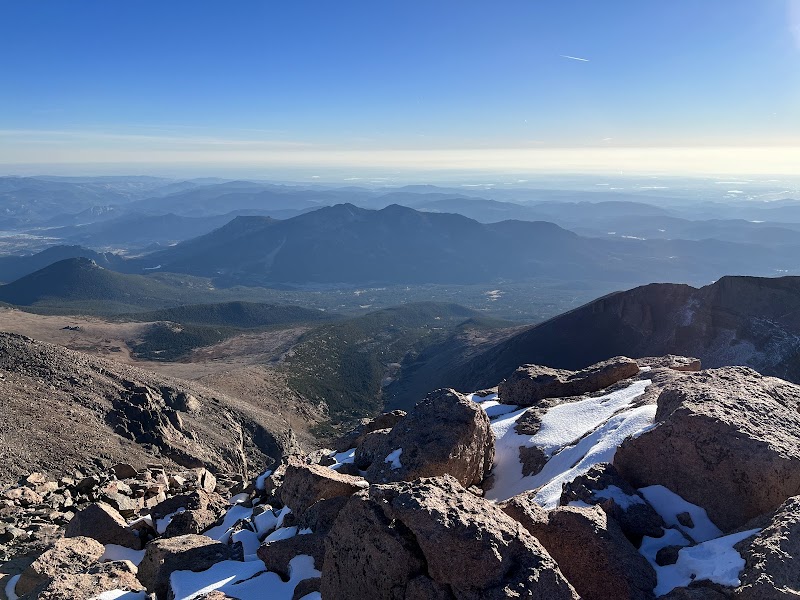
Estes Park challenges hikers with wild terrain that doesn’t wait for the unprepared. Advanced routes, like the 8.5-mile trek up to Longs Peak via the Keyhole, test stamina and demand gear that can keep pace with the shifting mountain moods. Elevations climb sharply—expect upwards of 5,000 feet in gain—with rocky ridges that push your balance while forests give occasional breathing room. Each step is an engagement with nature, where pine trees seem to lean in, curious, and the wind dares you to move faster, smarter.
Success here starts with your kit. Layering isn’t just about warmth; it’s about adapting swiftly to sun-slicked trails that can flip to sleet within minutes. Begin with a moisture-wicking base that pulls sweat away, add an insulating mid-layer, and cap it all with a windproof shell ready to fend off sudden storms. Footwear makes or breaks your journey—trail shoes with reliable grip and solid ankle support aren’t a luxury but a necessity when the terrain angles steeply and the rocks bite back.
Hydration strategies are pivotal. As the altitude climbs, air thins, drying your body faster. Carry at least 3 liters, use hydration bladders for easy sipping, and plan refill stops around mountain springs or ranger stations. Timing your hike to start early not only helps dodge afternoon thunder that frequently rolls in but lets you savor cooler temperatures during steeper ascents.
Pack light but smart. Essentials include a headlamp, map, GPS, and emergency whistle—tools that anchor safety when the trail shifts unexpectedly. Sunscreen and sunglasses shield you from relentless UV at altitude, where sunlight pulls harder. And don’t forget nutrition: energy-dense snacks that travel well keep your engine fueled when the trail feels like it’s pushing back.
Advanced hikes in Estes Park demand respect. They’re not just paths but conversations between you and the wild—terrain that’s fiercely itself, weather that tests your planning, and views that reward every bit of effort. Dress not just for victory but for a dialogue with the mountain’s ever-changing character.
Nearby Trips
All Adventures
Boat Charters
Water Activities
Adventures near Estes Park
Discover the unique and memorable adventures that make Estes Park special.
Frequently Asked Questions
What footwear works best for advanced Estes Park hikes?
Sturdy trail shoes or lightweight hiking boots with aggressive tread and ankle support work best for steep, rocky terrain. Waterproofing is helpful but prioritize grip and fit to reduce risks of slips and blisters.
How should I prepare for altitude sickness?
Acclimatize gradually by spending a day or two at moderate elevation before attempting high hikes. Stay hydrated, avoid alcohol, and descend if symptoms like headaches, nausea, or dizziness occur.
Are there any hidden viewpoints along Estes Park trails?
Yes, the Frozen Lake overlook on the Longs Peak route is a lesser-known spot offering serene lake reflections with mountain backdrops, perfect for a quiet break away from crowded main viewpoints.
What wildlife might I encounter on these hikes?
Watch for mule deer, elk herds grazing near meadows, and marmots sunning on rocks. Early morning or dusk sightings are common; always respect wildlife distance requirements.
Is cell service reliable on advanced hiking routes?
Service is patchy and often unavailable in higher or more remote areas. Carry a physical map and a GPS device, and inform someone of your itinerary before heading out.
What environmental practices should hikers follow here?
Pack out all trash, stay on designated trails to protect sensitive alpine vegetation, and avoid approaching or feeding wildlife. Estes Park enforces strict Leave No Trace principles to preserve its wilderness.
Recommended Gear
Moisture-Wicking Base Layers
Helps regulate body temperature by managing sweat, critical at altitude where rapid weather changes occur.
Waterproof Windbreaker
Protects against sudden wind and rain, crucial for mountain storms that arrive unpredictably.
High-Traction Trail Shoes
Provides grip on rocky, uneven terrain while supporting ankles to prevent injury.
Hydration Bladder (3L Capacity)
Enables hands-free hydration to maintain steady fluid intake on strenuous trails.
Local Insights
Hidden Gems
- "Frozen Lake overlook on the Longs Peak trail"
- "The quieter Solitude Lakes off the main trail"
- "Troll’s Tale, a rock formation near Glacier Gorge"
Wildlife
- "Mule deer"
- "Elk"
- "Marmots"
- "Pikas"
History
"Estes Park served as a gateway for miners and early explorers. Its trails snake past old lookout points and early ranger stations that recall the rise of Rocky Mountain National Park’s conservation legacy."