Mastering Footwear and Gear for Mount Rainier’s Wildflower Meadows
Explore Mount Rainier’s wildflower meadows with confidence by choosing the right footwear and gear. This guide balances practical tips with vivid trail descriptions to help hikers prepare for a rewarding summer adventure amid blooming alpine landscapes.
Start Early to Beat Afternoon Storms
Mount Rainier’s afternoons can quickly turn stormy during summer wildflower season. Begin hikes before 8 a.m. to enjoy clearer skies and safer terrain.
Choose Waterproof Footwear
Morning dew and hidden puddles saturate meadow areas. Waterproof boots protect feet while maintaining breathability for comfort over several miles.
Pack a Lightweight Rain Shell
Weather changes rapidly in the alpine zone. A compact rain jacket is a small investment that keeps you dry and warm during sudden showers.
Use Trekking Poles for Stability
Poles help reduce strain on knees and provide balance over loose gravel or uneven trail sections common in the wildflower meadows.
Mastering Footwear and Gear for Mount Rainier’s Wildflower Meadows

Mount Rainier Hike
Ages 12+ • Full Day
Discover the stunning landscapes of Mount Rainier on a private guided hike near Buckley, Washington. Experience breathtaking views, lush forests, and the thrill of exploring one of the Pacific Northwest’s most iconic peaks in a personalized setting.
Mount Rainier’s wildflower meadows burst openly in summer, inviting hikers to step into nature’s vivid gallery. These trails cross forested paths where towering firs stand watch, then open suddenly to reveal bright banks of alpine blooms swaying in the breeze. But to meet this landscape on its own fierce terms, your choice of footwear and gear has to be deliberate. The wildflower meadows lie mostly between 4,500 to 6,000 feet in elevation, where terrain shifts from soft meadow grass to rugged, uneven switchbacks carved through volcanic rock and gravel.
For an average hike like the Naches Peak Loop or the Spray Park Trail, expect 4 to 6 miles round-trip with roughly 800 to 1,200 feet of elevation gain. These moderate routes bring a mix of packed dirt, some slick roots, and scattered patches of loose stone. Footwear that grips well on wet grass yet protects against sharp edges is crucial. Waterproof hiking boots with a firm but flexible sole give the stability needed to navigate rocky patches while keeping feet dry in morning dew or unexpected rain.
Layering gear is equally important. Morning fog lingers near the forest edge, and afternoon sun beats down when you break into the open meadows. Lightweight, breathable fabrics with sun protection will keep you comfortable and shielded from UV exposure. Don’t forget a wide-brimmed hat and a pair of good sunglasses—the sun here pushes hard once above the trees.
Hydration is your silent partner on this trail; a lightweight hydration pack or at least two liters of water is wise. Wildflower season falls between July and early September, so afternoons can bring sudden thunderstorms. Pack a compact rain shell and plan to start early to avoid afternoon weather shifts.
Your pack should remain light enough to let the landscape pull your focus, but enough to cover essentials: water, snacks, sun protection, and a first-aid kit. Trekking poles are recommended if your knees feel the strain on descents or uneven tracks.
When your boots touch the soft earth and your eyes trace bursts of lupine and paintbrush blending into hillsides, the hike rewards not just with views but interaction. The wildflower meadows don’t just lie there to be admired—they challenge you to move deliberately, prepare carefully, and respect the unpredictable elements of Mount Rainier’s alpine drama.
Nearby Trips
All Adventures
Boat Charters
Water Activities
Adventures near Enumclaw
Discover the unique and memorable adventures that make Enumclaw special.
Frequently Asked Questions
What is the best trail to see wildflowers at Mount Rainier?
The Naches Peak Loop and Spray Park Trail provide reliable wildflower viewing from mid-July through early September, with diverse blooms and manageable hikes.
Are dogs allowed on the wildflower trails?
Dogs are generally prohibited in Mount Rainier National Park’s wildflower meadows to protect fragile ecosystems and wildlife habitats.
How do I handle sudden weather changes while hiking here?
Always check weather forecasts before heading out, pack a rain shell, start early to avoid afternoon storms, and be prepared to turn back if conditions worsen.
Is there cell phone coverage on these trails?
Coverage is spotty or non-existent in many parts of Mount Rainier’s wilderness areas, so inform someone of your plans and carry a map and compass.
Can I pick or collect wildflowers during my hike?
No. Wildflowers are protected; picking them disrupts the ecosystem and is prohibited in the park.
Where can I refill water during my hike?
Most trails don’t have reliable water sources; carry sufficient water or use a filter if you plan to use streams, though water quality can vary.
Recommended Gear
Waterproof Hiking Boots
Protects your feet from wet grass and rocky terrain while providing solid ankle support.
Lightweight Rain Shell
Compact and breathable, crucial for sudden showers and wind protection.
Trekking Poles
Offers extra stability on uneven or loose terrain and reduces knee strain on descents.
Wide-brim Hat and UV Sunglasses
Provides sun protection when meadows open fully and radiate heat.
Local Insights
Hidden Gems
- "Views from the ridge near Tipsoo Lake offer less crowded panoramic wildflower overlooks."
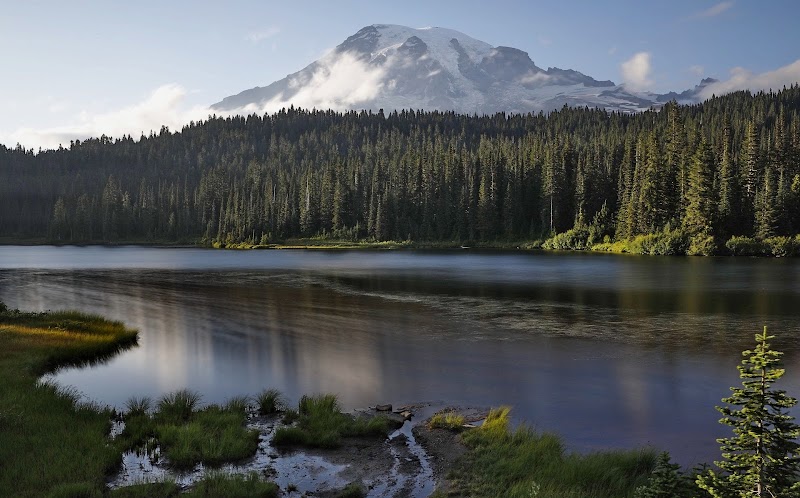
- "The Reflection Lakes area shows wildflower clusters mirrored perfectly in still water."
Wildlife
- "Look for marmots sunning on rocks and occasional mountain goats grazing near the meadows."
- "Birdwatchers may spot the white-tailed ptarmigan blending into alpine terrain."
History
"The area holds cultural significance for local tribes, including the Puyallup and Yakama, who have long recognized Mount Rainier's sacredness and rely on its ecosystem for traditional uses."