
Gear Up Smart: Essential Tips for Comfort on Mount Rainier Hikes
Mount Rainier's rugged trails offer an exhilarating challenge for hikers of all levels. This guide breaks down essential gear and clothing tips to keep you comfortable and prepared as you navigate the mountain’s varied terrain and shifting weather.
Layer for Changing Weather
Bring moisture-wicking base layers, insulating mid-layers, and waterproof shells to stay comfortable in Mount Rainier’s sudden weather shifts.
Choose Sturdy Footwear
Wear hiking boots or trail shoes with strong grip and ankle support to handle rocky and uneven terrain safely.
Pack Hydration Options
Carry insulated water bottles or hydration packs with filters to stay hydrated, especially on longer hikes above 3,000 feet.
Start Early to Avoid Afternoon Storms
Begin hikes early to maximize daylight and avoid sudden mountain storms typically rolling in after midday.
Gear Up Smart: Essential Tips for Comfort on Mount Rainier Hikes

Mount Rainier NP Full Day Private Tour and Hike (Seattle)
All ages • 8 Hours • Up to 10 people • Starting at $1325
Join Good Trip Adventures for an 8-hour private hike through Mount Rainier's stunning scenery. With expert guides, scenic trails, and a packed picnic, this trip delivers an unforgettable outdoor experience just outside Seattle.
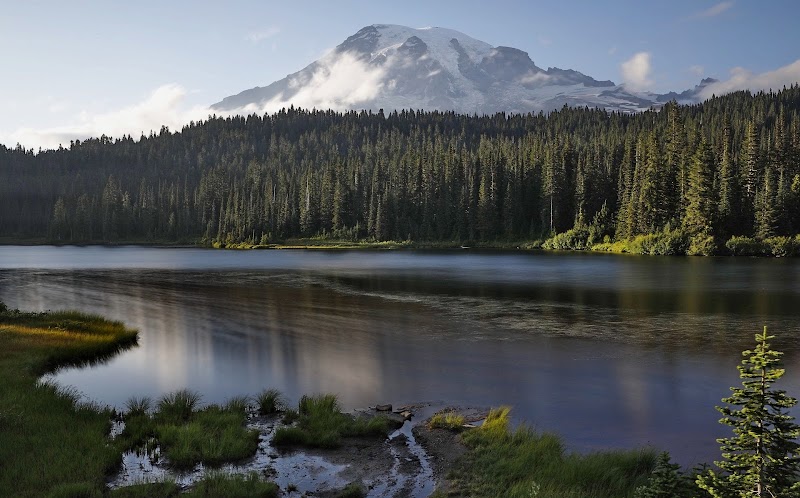
Mount Rainier rises fiercely, its glaciers daring you forward while dense forests provide shade and shelter along your route. Whether you set out on the Skyline Trail’s 5.5-mile loop with a 1,700-foot elevation gain or tackle longer treks like the Snow Lake Trail, comfort begins with your gear and clothing choices. The terrain shifts constantly—from rocky scree deliberate with every foothold to soft mossy patches that cushion your steps. You’ll want layers that breathe and protect, footwear that grips and cushions, and gear that holds up to sudden mountain moods, from sun-soaked clearings to sharp summer storms.
Start with moisture-wicking base layers to manage sweat as the forest warms your stride. Add an insulating mid-layer—fleece or light down—easy to shed or store as the sun presses warm against your back. A windproof, waterproof shell is non-negotiable; mountain weather changes suddenly, whether climbing through alpine meadows or edging past rushing streams that challenge your focus. Trail shoes with sturdy soles and solid ankle support make a difference on loose gravel or wet rock, while gaiters fend off debris on rougher stretches.
Stay fueled and hydrated—your body will push hard against elevation gain and the swell of natural beauty demanding attention. Pack water in insulated bottles or consider a hydration pack with filtering capabilities if your route passes clear creeks daring you to pause. Trekking poles can ease the strain on knees, especially on descents or uneven paths.
Plan your timing with an eye on daylight and weather windows. Early starts beat crowds on popular paths and get you through lower trails before heat builds or afternoon storms roll in. Check conditions with Mount Rainier National Park resources—they track trail status rigorously, helping you avoid hazards like unstable snow patches or bear activity.
Ultimately, preparation means respecting Rainier’s pace and power without sidelining the thrill. Your gear forms your personal dialogue with the mountain, setting you up not merely to endure but to engage fully with the hike’s demands and breathtaking rewards.
Nearby Trips
All Adventures
Boat Charters
Water Activities
Adventures near Enumclaw
Discover the unique and memorable adventures that make Enumclaw special.
Frequently Asked Questions
What footwear is best for Mount Rainier hikes?
Choose durable hiking boots or trail shoes with solid ankle support and deep tread for grip on rocky, slippery, and often wet terrain.
How much water should I bring on a typical day hike?
Plan for at least 2 liters per person, more on longer or hotter routes. Bringing a hydration filter allows refills from clear streams.
Are there any safety concerns unique to Mount Rainier?
Yes. Weather here can shift rapidly, and some trails cross snowfields or loose scree. Always check trail conditions, weather reports, and consider bear awareness.
When is the trailhead usually crowded?
Midday in summer months tends to see the most visitors; early mornings or weekdays are quieter for a more solitary experience.
Can I expect cell service on the trails?
Cell reception is spotty or absent in many areas. Prepare with offline maps and let someone know your plans before heading out.
What’s the best way to handle elevation gain?
Pace yourself steadily, take short breaks, and use trekking poles. Listening to your body prevents overexertion.
Recommended Gear
Moisture-Wicking Base Layers
Keeps sweat off your skin to regulate temperature and prevent chills during changing exertion levels.
Waterproof Windbreaker
Protects against sudden rain and wind, essential for unpredictable mountain weather.
Trekking Poles
Helps reduce joint strain on steep ascents and descents, improving stability on uneven ground.
Insulated Hydration Pack
Makes staying hydrated easier, with built-in filters allowing you to refill safely from mountain streams.
Local Insights
Hidden Gems
- "Carl Lake Viewpoint—offers a lesser-known panoramic vista east of the main summit paths."
- "Spray Park—an alpine meadow area alive with wildflowers and fewer crowds during summer."
Wildlife
- "Look for marmots sunning on rocks, mountain goats cautiously observing from ledges, and a variety of birds like the gray jay quietly following forest edges."
History
"Mount Rainier has deep significance for indigenous tribes such as the Puyallup and Nisqually, who regard it as a sacred place and vital resource. Many trails follow routes used for centuries."