
Island-hopping tours offer a dynamic way to experience the Philippines' waters and islands firsthand, blending adventure with natural beauty. This guide provides practical tips to ensure your journey stays comfortable and convenient, from packing smart to timing your excursions for ideal weather and terrain.
Pack Water-Resistant Gear
Use quick-dry clothing and water-resistant bags to protect your belongings from splashes and sudden weather changes.
Choose Footwear Carefully
Opt for sturdy sandals or lightweight shoes that grip well on wet surfaces and dry quickly after sea crossings.
Hydrate Consistently
Bring refillable water bottles and drink regularly, especially when crossing under intense sun and humid conditions.
Monitor Tide Times
Schedule island stops around tides to avoid difficult landings and enjoy calm waters for boat transfers.
Comfort and Convenience: Mastering Island-Hopping Tours with Ease

Oahu to Kauai: Waimea Canyon & Koke'e Adventure Tour (K4-1D)
Experience Kauai’s spectacular Waimea Canyon and Koke’e State Park on a hassle-free day trip from Oahu, with breathtaking vistas, natural wonders, and local culture.
Island-hopping tours blend the thrill of discovery with the rhythm of the sea, sending you from one shore to the next like a traveler skimming over water's edge. Yet this adventure, exuberant and free, demands more than just a spirit of exploration—it requires smart planning to maintain comfort and convenience throughout. The islands push forward with their warm sun and salty breeze, lively waves daring you to keep pace, but preparation keeps those waves from tipping your balance.
Start with packing light but smart. Water-resistant bags secure your essentials, while quick-dry clothing lets you shake off salt sprays without weighing you down. Footwear is crucial: sturdy sandals or lightweight shoes protect against sharp coral and rocky docks yet dry fast enough to keep your feet steady and blister-free. This blend supports island terrain that shifts constantly—from smooth, sandy stretches to rough, jagged volcanic rock nudging your path.
Timing your days around the tides and the local weather shifts comfort from luxury to necessity. Morning departures avoid the sweltering midday sun and give you calmer seas as the day wakes. Late afternoons allow for softer light and cooler air, perfect for capturing landscape photographs or taking a slower pace to soak in the island’s pulse. Heat can intensify rapidly; efficient hydration habits matter—carry refillable bottles and pace your intake, allowing the sea’s breeze to cool what sun warms.
The tour boats themselves are small, agile actors darting between islands where large vessels cannot enter. This intimacy brings closeness to nature and community but demands that you move lightly—keep your gear compact and make transfers smooth by organizing your belongings for quick access. Snacks and simple meals are best packed ahead. Local vendors on some islands offer fresh fruits and small dishes, a taste of place, but relying on them exclusively risks hunger if the supply is scarce or the tour schedule tight.
Understanding each island’s character helps tailor your approach. Some islands invite hiking through forested trails where stems and leaves brush your arms as if reminding you: the land remains fiercely itself. Trails range from half a mile of sandy paths to upward climbs of 600 feet, rewarding adventurers with sweeping views that stretch beyond the horizon. Respect these natural forces—carry a lightweight rain jacket for sudden bursts, and make sure your camera or smartphone has power for capturing scenes.
Island-hopping sends you into a living dance between sea, sky, and land. Comfort does not mean avoiding challenge; it means adapting with respect and readiness. This ease—layered with care, timing, and a measured pace—lets you hear the call of distant shores and answer with vigor, not fatigue. Planning turns spirited jumps from island to island into a journey that’s not only thrilling but comfortably yours.
Nearby Trips
All Adventures
Boat Charters
Water Activities
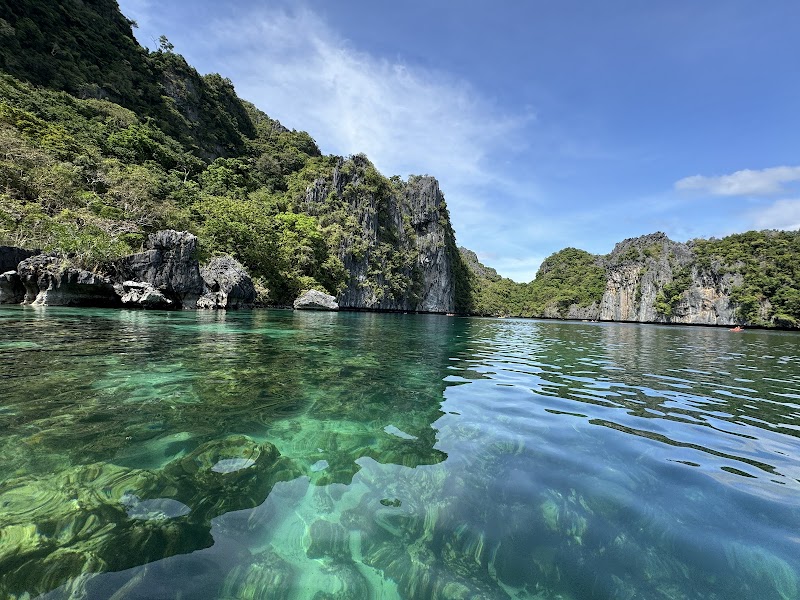
Adventures near El Nido
Discover the unique and memorable adventures that make El Nido special.
Frequently Asked Questions
What is the typical boat transfer distance between islands?
Boat transfers generally range from 1 to 5 kilometers, lasting between 20 and 60 minutes depending on sea conditions and island positioning.
Is swimming ability required for island-hopping tours?
Basic swimming skills are recommended since boat transfers can involve short swims during landing or emergencies, though most tours provide life jackets.
Are local guides necessary or recommended?
Engaging local guides enhances safety and enriches the experience by pointing out hidden coves, cultural sites, and local wildlife that may not be obvious.
Which islands have the most accessible hiking trails?
Islands like Small Lagoon and Big Lagoon near El Nido offer easy to moderate trails, ranging up to a mile and featuring forest paths with minimal elevation.
What wildlife might I encounter during island-hopping tours?
Expect colorful coral reefs with diverse fish species, occasional monitor lizards, and seabirds like frigatebirds and kingfishers that patrol the skies.
How should I manage waste during my trips to keep islands pristine?
Carry out all trash, avoid single-use plastics, and use environmentally friendly sunscreen to minimize your ecological footprint while supporting local conservation efforts.
Recommended Gear
Waterproof Dry Bag
Keeps electronics, clothes, and valuables safe from waves and rain.
Lightweight Hiking Sandals
Protect your feet on mixed terrain while drying quickly after water crossings.
Reusable Water Bottle
Essential for staying hydrated throughout sun-drenched, active days.
Compact Rain Jacket
Prepares you for sudden showers, adds warmth during cool breezes.
Local Insights
Hidden Gems
- "Secret beach coves on Miniloc Island accessible only by kayak"
- "A small viewpoint on Cadlao Island offering panoramic sea views"
- "Hidden underwater limestone formations near Matinloc Island"
Wildlife
- "Hawksbill turtles nesting season between May and October"
- "Rare Palawan hornbills nested deep in island forests"
- "Schooling barracudas shadowing the reefs"
History
"The islands have long served as fishing grounds for indigenous Tagbanua communities, whose cultural heritage persists in local crafts and sustainable practices."