
Timing Tips for Optimal Mountain Biking Experiences in Colorado
Ride Colorado’s mountains at their most welcoming by choosing the right time of year and day for your mountain biking adventure. This guide balances the thrill of rugged trails with practical advice on conditions, gear, and timing to help you hit your stride.
Start Early to Beat the Storms
In summer, plan your rides between 7 and 10 AM when trails are firm and weather is most stable to avoid afternoon thunderstorms.
Layer Smart for Variable Conditions
Spring and fall mornings can be chilly, so wear moisture-wicking, breathable layers that you can adjust as temperatures shift quickly.
Hydrate for Altitude Effects
Colorado’s elevation dehydrates faster—carry extra water and drink regularly, even if you don’t feel thirsty.
Scout Trail Elevation and Terrain
Know the elevation gain and technical difficulty ahead; many rides climb 1,000+ feet over several miles with rocky or root-covered descents.
Timing Tips for Optimal Mountain Biking Experiences in Colorado

Ridge Rider Rental
2, 3, 4 or 8 Hours • Ages 14+ • Fits Riders 5'6 or Taller
Explore Fort Collins on an electric bike with Ridge Rider Rental from Pedego Electric Bikes. Perfect for scenic routes, this private bike rental offers a fun, eco-friendly way to see Colorado's beautiful landscapes at your own pace.
Colorado’s mountains offer some of the most exhilarating riding in the country, where pine trees whisper challenges and rivers dare you to push forward. Yet, mastering the art of timing your mountain biking expedition here can transform a good ride into an unforgettable adventure. Understanding the seasons, time of day, and trail conditions is key to syncing with the mountain’s pulse.
Spring thaws bring trails alive, but patches of mud and lingering snow can test your control and patience. Between April and June, expect variable terrain: slick forested paths soften underfoot, and melting streams swell, demanding cautious navigation. Early mornings offer firmer ground before afternoon sun stirs slush into slippery sections. Hydrate well; spring air is crisp but dry, and unpredictable weather swings mean layering is smart.
Summer, from July through September, is the prime window. The days stretch long, sun warming rocky ascents and wildflower fields. Elevations above 9,000 feet give relief from heat, but afternoons can produce sudden thunderclouds. Start rides early—between 7 and 10 AM—to avoid storms and crowds. Trails like those in the San Juan Mountains boast steep climbs of 1,500 feet over 5 miles and fast, root-filled descents that test both fitness and technical skill. Carry more water; hydration demands spike with altitude and exertion.
Fall turns the landscape fiery with aspens and cools the air, making October a great choice for those chasing crisp rides and quieter trails. Scores of leaves crunch under tires; mild temperatures keep muscles loose. However, nights drop sharply, so plan to finish before dusk. Watch for early snow at higher elevations—icy patches can surprise even experienced riders.
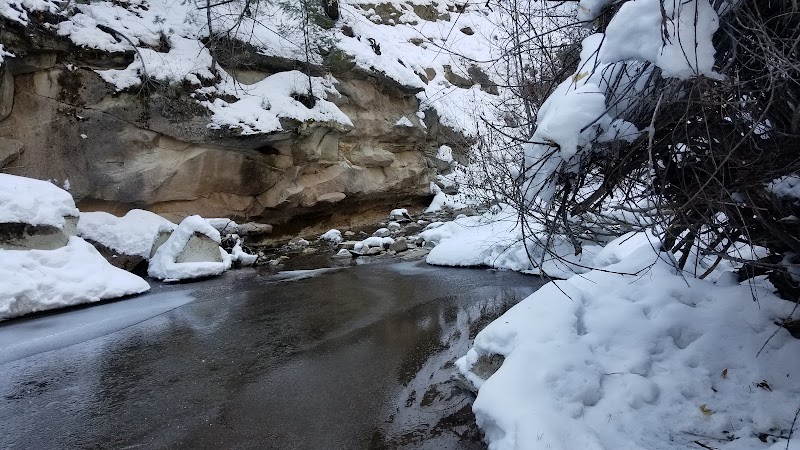
Winter mountain biking is an adventure reserved for the hardy. Snow blankets most trails, but fat biking enthusiasts carve paths through powder in areas like Winter Park. Conditions require specialized gear and snow-ready fitness.
Daily timing matters as much as seasonality. Early rides greet still landscapes where evergreens stand firm and streams hiss gently, while midday rides demand vigilance against sun exposure and rapidly shifting weather. Late afternoons offer golden light but risk sudden temperature drops.
Equipment choice balances weight and durability. Breathable gloves, moisture-wicking layering, and grippy tires tailored for mixed surfaces help maintain momentum and control. Technical challenges—rock gardens, loose scree, steep grades—demand focus and respect. Your mountain is fiercely itself: it tests endurance and skill but rewards with sweeping views and the quiet command of nature.
Before setting off, research trail elevation gains and distances: many Colorado rides gain between 1,000 to 2,000 feet elevation over 5 to 10 miles, a balance of climbing and descending that builds strength and thrills. Keep emergency contacts handy and share routes; cell service can fray on rugged ridges.
Ultimately, the right time to bike Colorado mountains hinges on understanding not only the calendar but the mountain’s temperament. Plan with purpose, adjust with awareness, and engage fully. Timing is about respect—of weather, terrain, and your limits. Synchronize with these rhythms, and you'll find the ride both challenging and deeply rewarding.
Nearby Trips
All Adventures
Boat Charters
Water Activities
Adventures near Durango
Discover the unique and memorable adventures that make Durango special.
Frequently Asked Questions
When is the best time of day to ride mountain trails in Colorado?
Early mornings between 7 and 10 AM offer the firmest trail conditions and the lowest chance of afternoon thunderstorms, especially during summer. Later in the day, weather can shift rapidly, increasing risk and trail difficulty.
How does altitude affect mountain biking in Colorado?
Higher elevations thin the air, making breathing tougher and causing faster dehydration. Riders should pace themselves, stay hydrated, and acclimate gradually to prevent altitude sickness.
Are there any lesser-known viewpoints on popular mountain bike routes?
Yes. Near Durango, the Animas Mountain trail features quiet overlooks where sweeping views of the San Juan range reward detours off main paths. These spots offer solitude and photo-worthy panoramas often missed by casual riders.
What local wildlife might I encounter on mountain biking trails in Colorado?
Keep an eye out for mule deer crossing trails, curious marmots on rocky slopes, and occasionally elk grazing near forest edges. Birds like the Steller’s jay add color and calls to the ride.
What environmental considerations should I keep in mind while riding here?
Stay on established trails to prevent erosion and habitat disturbance. Colorado’s mountain ecosystems are fragile; pack out all trash and minimize noise to respect wildlife.
How challenging are the technical sections on Colorado’s mountain bike trails?
Technical features vary but often include loose rock sections, rooty descents, and narrow singletracks. These require solid bike handling skills and confidence, especially after rain or snowmelt.
Recommended Gear
Full-face helmet
Protects your head on technical descents and rocky terrain where falls can be unforgiving.
Hydration pack with at least 2 liters
Ensures you stay hydrated on long climbs and during dry, high-elevation heat.
Layered moisture-wicking clothing
Keeps you dry and comfortable amid rapidly changing temperatures.
Tire inserts and tubeless setup
Provides greater puncture resistance and traction on rocky and root-strewn trails common in Colorado.
Local Insights
Hidden Gems
- "Animas Mountain overlooks offer quieter views than the more frequented trailheads"
- "The Colorado Trail segments near Durango feature isolated forest stretches with minimal traffic"
Wildlife
- "Mule deer are common near trails early and late in the day"
- "American kestrels may hover above ridgelines watching for prey"
History
"Durango’s trails often follow historic mining roads from the late 19th century, with old mining artifacts scattered nearby—reminders of Colorado’s rugged past."