Timing Tactics for Catching Elusive Fish in Durango's Prime Fishing Seasons
Durango’s rivers challenge anglers with unpredictable currents and elusive fish, but timing your trip right unlocks the best chances for success. Learn how seasonal shifts influence trout behavior and plan your fishing adventure with practical tips that balance outdoor thrill and pragmatic preparation.
Start Early or Late for Best Bites
Fish are most active during low light hours—plan to be on the water at dawn or dusk when trout feed heavily and remain less cautious.
Pack Layered Clothing
Temperatures can swing drastically from morning chills to afternoon warmth, especially near water and at elevation—dress in moisture-wicking layers.
Wear Non-Slip, Supportive Footwear
Trails along fishing spots have rocky, uneven terrain and wet surfaces—sturdy boots or wading shoes are necessary for safety and stability.
Hydrate and Protect Against Sun
Dry air and physical exertion increase dehydration risk; carry water and apply sun protection even on cloudy days, particularly in summer.
Timing Tactics for Catching Elusive Fish in Durango's Prime Fishing Seasons

Fishing Pole Rental
Includes spinner or traditional fishing pole & 3 lures
Discover Durango’s prime fishing spots with a 24-hour pole rental from Go Play Durango LLC. Perfect for anglers of all levels, it’s your easy access to Colorado’s waterway treasures. Read on to find out more about this flexible adventure activity.
Fishing in Durango is as much about reading the water as it is about patience. The rivers and streams here move with purpose—the Animas River dares you to match its pace, its currents pushing trout into narrow bends and shadowed pools. Knowing when to be on the water is key; fish respond sharply to seasonal shifts and local conditions, making timing your greatest tool for success.
Spring, from April through early June, opens the season with rising waters fueled by melting snow. Fish are hungry but can be skittish amid murky, faster currents that test your casting skills. Water temperatures cool, so early mornings and late evenings are prime for finding trout in sheltered runs. Your best bet is to focus on slower eddies where fish conserve energy against the river’s push.
Summer, June through August, brings clearer water and warmer days. Fish become more selective, often retreating to deeper pools or shaded areas as midday heat bakes the riverbanks. Early mornings remain productive, but late afternoons just before sunset activate fish as the water cools. Dry fly patterns and precise presentations pay off here. Beware summer thunderstorms—they can swell rivers suddenly, turning calm waters fierce and unpredictable.
Fall fishing, September through October, offers cooling water and increasing insect activity—a feast for trout readying for winter. The river’s personality softens, with slower currents and clear conditions that sharpen reflections of the sky above. Fish feed aggressively on bugs slipping from overhanging branches and the outbreak of emergers on the surface. Timing your trip with hatch peaks will reward you with lively action and steady bites.
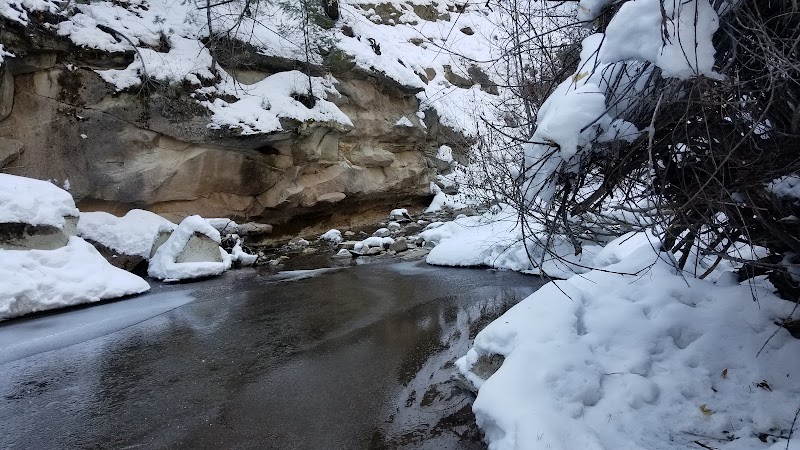
Winter fishing in Durango is quiet but rewarding for those willing to layer up and brave the chill. Fish slow their metabolism, moving less and seeking deep pools with steady flow beneath ice edges. Clear, cold days in late winter can bring surprisingly productive windows as fish respond to sporadic insect activity.
Preparation matters—plan hikes along the Animas or coal creeks with distances from 3 to 8 miles depending on access points, and expect moderate elevation gains between 500 to 1,200 feet. Trails weave through ponderosa pines and cottonwoods, offering both shaded respite and open views of river bends where fish hide. Durable footwear with support is essential on rocky, sometimes slick terrain. Hydrate thoroughly, especially in summer’s dry air, and pack layers to match temperature swings that come with changing altitude and time of day.
Mastering Durango’s fishing seasons means respecting the river’s mood and timing your presence to match wily fish behavior. Embrace the rhythm of the water: moving with care, reading currents, and choosing your moments with precision. The reward is a hands-on encounter with a river fiercely itself, yielding elusive fish to those who listen and respond with patience and skill.
Nearby Trips
All Adventures
Boat Charters
Water Activities
Adventures near Durango
Discover the unique and memorable adventures that make Durango special.
Frequently Asked Questions
What is the best time of day to fish in Durango?
Early mornings and late evenings are prime times because trout are more actively feeding when light levels are low and temperatures cooler. Midday can be slow, especially in summer when fish seek deeper or shaded waters.
Are there any special fishing regulations in Durango?
Yes, the Animas River and surrounding streams have seasonal regulations including catch-and-release sections and limited bait restrictions to protect native fish populations. Check Colorado Parks and Wildlife updates before your trip.
What local insect hatches are notable for fly fishing?
Mayflies and caddisflies hatch prolifically in late spring and again in fall, triggering aggressive trout feeding. Matching your fly patterns to these hatches improves catch rates substantially.
Can I fish year-round in Durango?
You can fish year-round, but the best seasons for active fishing are spring through fall. Winter fishing is possible but requires preparation for cold and slower fish activity.
Are there any lesser-known fishing spots near Durango?
Coal Creek and Lemon Reservoir offer less crowded streams with excellent fishing. These spots combine easier hikes with productive water less affected by tourist pressure.
What wildlife should I watch out for while fishing?
Besides fish, be aware of local wildlife including deer, black bears, and occasionally mountain lions. Bears are mostly active spring through fall; keep food sealed and be aware of surroundings.
Recommended Gear
Wading boots with felt or rubber soles
Provide traction on slippery river rocks and support for long hours on uneven terrain.
Layered moisture-wicking clothing
Keeps you dry and comfortable as temperatures vary throughout the day and seasons.
Polarized sunglasses
Cut glare from the water surface, helping you spot fish and protect your eyes.
Portable water bottle or hydration system
Integral for staying hydrated during long, sunny fishing sessions in dry mountain air.
Local Insights
Hidden Gems
- "Rocky Point Overlook along Animas River Trail offers a panoramic view of the river’s deep meanders."
- "Hermosa Creek trail less traveled by day hikers, provides tranquil fishing pockets away from main flows."
Wildlife
- "Rainbow and Brown trout dominate the Animas River, but occasional Cutthroat trout can be found in tributaries."
- "Otters are spotted year-round, often playful near fishing spots, signaling healthy ecosystems."
History
"Durango’s rivers once supported Native American communities and early settlers reliant on fishing for survival. The Animas River was central to regional trade and gold mining can be traced to this waterway."